
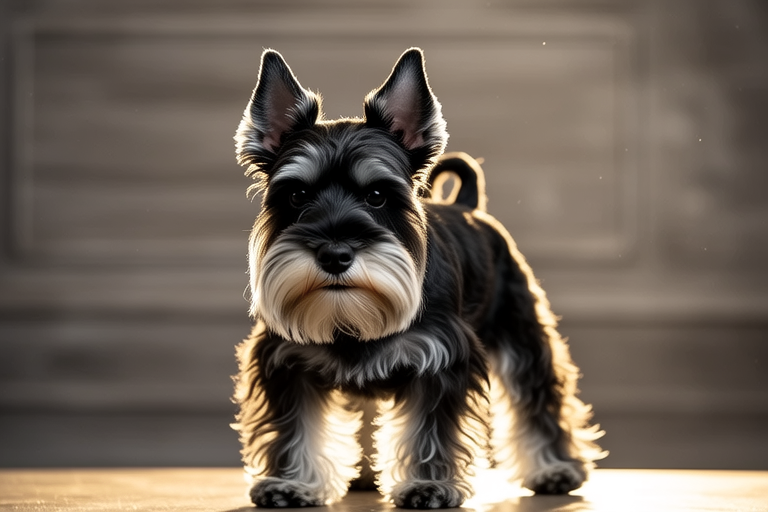
Schnauzers Unleashed: Inside the Unique World of These Fluffy Little Giants
When it comes to dogs, few breeds have captured the hearts of pet lovers quite like the schnauzer. Known for their distinctively groomed beards and wiry coats, these fluffy little giants are a unique blend of elegance and ruggedness. Whether you’re a seasoned schnauzer owner or considering welcoming one into your family, this article delves into the distinctive characteristics, history, and personality traits of schnauzers, as well as their grooming needs, health considerations, and dietary requirements.
A Brief History of Schnauzers
The schnauzer has a rich and fascinating history that dates back centuries. Originating in Germany, these dogs were originally bred to be working dogs, protecting farms from vermin and other pests. The name ‘schnauzer’ comes from the German word ‘schnauze,’ meaning muzzle, referring to their prominent facial hair. Over time, schnauzers have evolved into three distinct varieties: the Standard Schnauzer, the Miniature Schnauzer, and the Giant Schnauzer, each with its own unique characteristics.
Distinguishing Characteristics
One of the most striking features of a schnauzer is its beard, which frames the face and gives the dog a distinguished appearance. Their coats are typically wiry and require regular grooming to maintain their signature look. Schnauzers come in various colors, including black, salt and pepper, and white, adding to their charm. Their intelligent and alert expressions make them appear almost human at times.
Personality Traits
Schnauzers are known for their loyalty, intelligence, and playful nature. They form strong bonds with their families and can be quite protective, making them excellent watchdogs. Despite their size, they are often surprisingly gentle with children and other pets, provided they are properly socialized. Their intelligence means they are quick learners, but this also requires consistent training to keep them mentally stimulated.
Grooming Needs
Due to their wiry coats, schnauzers require regular grooming to maintain their appearance. Professional grooming sessions every six to eight weeks are recommended, along with daily brushing at home. Pay special attention to their beard and legs, where mats can easily form. Regular nail trimming and ear cleaning are also important to prevent infections.
Health Considerations
Like all breeds, schnauzers are prone to certain health issues. Common conditions include hip dysplasia, eye problems, and urinary stones. Regular veterinary check-ups and a balanced diet can help mitigate these risks. Early detection and treatment of any health issues are crucial for maintaining your schnauzer’s quality of life.
Dietary Requirements
A healthy diet is essential for keeping your schnauzer happy and active. High-quality dog food that meets their nutritional needs is recommended. Consult with your veterinarian to determine the appropriate portion sizes and feeding schedule based on your dog’s age, weight, and activity level. Avoid overfeeding, as schnauzers can become overweight if given too many treats.
Stories of Intelligence and Loyalty
Many schnauzer owners share stories of their dogs’ remarkable intelligence and loyalty. One such story involves a schnauzer named Max who saved his owner from a house fire by barking incessantly until the neighbors noticed and called emergency services. Another example is a schnauzer named Bella, who helped her owner navigate through a difficult divorce by providing constant companionship and comfort.
Advice for Potential Owners
If you’re considering bringing a schnauzer into your home, there are several things to keep in mind. First, ensure you have the time and resources to meet their grooming needs. Second, invest in proper training to harness their intelligence and prevent behavioral issues. Socialization is also key, especially for puppies, to ensure they grow up to be well-adjusted adults.
Training Tips
Consistency is key when training schnauzers. Use positive reinforcement techniques, such as treats and praise, to encourage good behavior. Be patient and persistent, as schnauzers may test boundaries due to their independent nature. Basic obedience commands, such as sit, stay, and come, are essential for safety and control.
Socialization Strategies
Expose your schnauzer to different people, animals, and environments from a young age to promote confidence and reduce anxiety. Puppy classes are a great way to introduce your dog to new experiences in a controlled setting. Continue socializing your schnauzer throughout adulthood to reinforce positive behaviors.
Conclusion
Schnauzers are truly remarkable dogs with a rich history, distinctive characteristics, and endearing personalities. Their intelligence, loyalty, and adaptability make them ideal companions for many households. By understanding their unique needs and providing proper care, you can enjoy a long and fulfilling relationship with your fluffy little giant. Whether you’re a first-time owner or a seasoned schnauzer enthusiast, these dogs are sure to bring joy and companionship into your life.