
Norwegian Pets: Uncovering Unique Traits of Our Furry Friends
Welcome to a journey into the heart of Norway, where our furry companions play a significant role in daily life. This article explores the distinctive characteristics, behaviors, and common breeds of Norwegian pets, delving into the rich history of pet ownership in the country. We’ll also discuss popular local pet trends, unique care requirements, and the deep bond shared between Norwegians and their pets.
The Historical Context of Pets in Norway
Pets have been part of Norwegian society for centuries, with archaeological evidence suggesting that dogs were domesticated in the region as early as the Stone Age. The Sami people, indigenous to Northern Scandinavia, have a long history of coexisting with reindeer, which they have herded for thousands of years. This relationship has shaped their culture and economy, illustrating the deep connection between humans and animals in Norway.
Historically, dogs played crucial roles in Norwegian society, assisting with hunting, guarding homes, and even pulling sleds. Cats, too, have been cherished for their ability to control rodent populations. Over time, the role of pets evolved from practical helpers to beloved family members, reflecting broader societal changes.
Popular Breeds and Their Characteristics
Several dog breeds are particularly popular in Norway, each with its own unique traits and histories. One such breed is the Norwegian Elkhound, known for its agility and endurance. Originally bred for hunting elk, these dogs are well-suited to the rugged terrain of Norway. They are loyal, intelligent, and highly adaptable, making them ideal companions for outdoor enthusiasts.
The Buhund is another breed native to Norway, recognized for its herding abilities. Bred by farmers to assist with livestock management, these dogs are energetic, alert, and quick learners. Their versatility has made them popular not only in rural areas but also in urban settings.
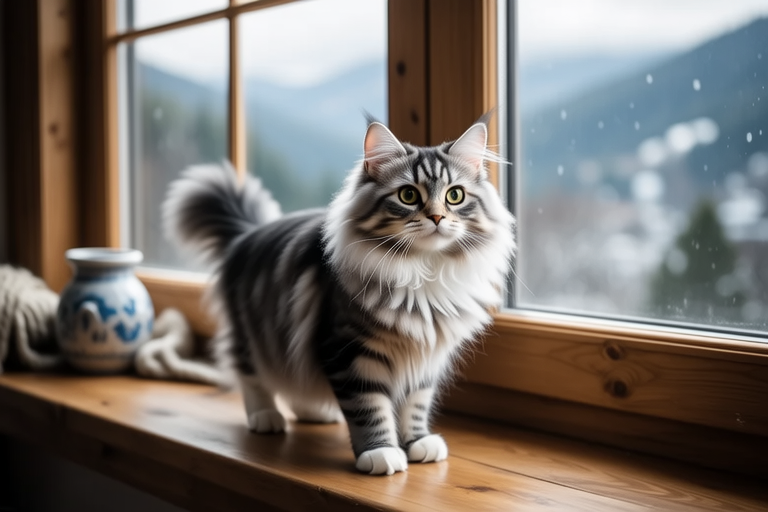
Cats are equally important in Norwegian households. The Norwegian Forest Cat is a breed that has adapted to the harsh winters of Norway. With its thick, water-repellent coat and muscular build, this cat is perfectly suited to the country’s climate. It is known for its playful nature and strong bond with its owners.
Unique Behaviors and Adaptations
Norwegian pets have developed unique behaviors and adaptations to thrive in their environment. For instance, many Norwegian dogs are accustomed to long walks and hikes, thanks to the extensive network of trails throughout the country. These activities contribute to their physical fitness and mental stimulation.
In contrast, cats often prefer the comfort of home, especially during the colder months. They are adept at conserving energy and adapting their schedules to match those of their human families. Many Norwegian cats are indoor-only pets, enjoying the warmth and safety of their homes.
Environmental factors also influence pet behavior. In winter, dogs may require additional grooming to prevent ice accumulation on their paws. Similarly, cats may need extra attention to ensure they stay warm and comfortable. These adaptations highlight the importance of understanding and addressing the specific needs of Norwegian pets.
Cultural Significance and Bond Between Humans and Pets
The bond between Norwegians and their pets is deeply rooted in the country’s culture. A recent survey found that nearly 60% of Norwegian households own at least one pet, with dogs being the most popular choice. This high ownership rate reflects the strong emotional ties that Norwegians form with their animals.
Pets are often considered members of the family, participating in daily routines and celebrations. They are invited to social gatherings, holidays, and even outdoor activities. This integration underscores the value placed on companionship and loyalty in Norwegian society.
Popular Local Pet Trends
Local trends in pet ownership reflect broader societal shifts. There is a growing interest in adopting rescue animals, with shelters reporting increased demand for puppies and kittens. This trend highlights a commitment to animal welfare and responsible pet ownership.
Another emerging trend is the rise of pet-friendly accommodations, including hotels, restaurants, and cafes. These establishments recognize the importance of accommodating pet owners and their furry friends, enhancing the overall experience for visitors and locals alike.
Unique Care Requirements
Providing proper care for Norwegian pets requires attention to specific needs. For example, dogs may benefit from specialized diets designed to support joint health, given their active lifestyles. Regular exercise and mental stimulation are essential to maintain their well-being.
Cats, on the other hand, may require more frequent grooming during shedding seasons. Providing appropriate scratching posts and toys can help them stay entertained and engaged. Ensuring a safe and stimulating environment is key to their happiness and health.
Conclusion
Norwegian pets are a testament to the enduring bond between humans and animals. From their unique adaptations to their important roles in daily life, these furry friends bring joy, companionship, and comfort to countless households. As we continue to learn more about the needs and behaviors of Norwegian pets, it becomes increasingly clear that they are much more than just animals—they are cherished members of the family.
We hope this article has provided valuable insights into the world of Norwegian pets. Whether you’re a seasoned pet owner or considering adding a furry friend to your family, understanding the specific needs and characteristics of Norwegian pets can help ensure a happy and healthy relationship.