
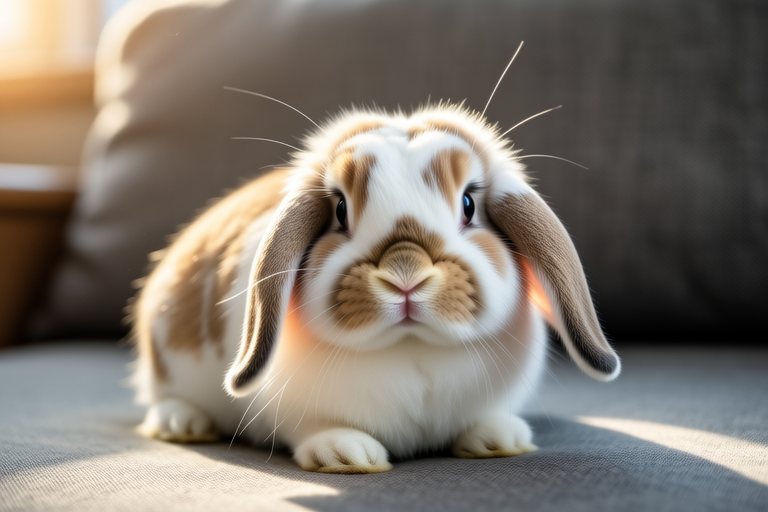
Lop Rabbits 101: Your Step-by-Step Guide to Raising This Sweet Breed
Welcome to your ultimate guide to raising lop rabbits! If you’re new to the world of pet rabbits, you’ve come to the right place. Lop rabbits are one of the most beloved breeds, known for their gentle nature and floppy ears. In this comprehensive guide, we’ll walk you through everything you need to know about these delightful creatures, from understanding their origins to providing them with the best possible care.
Introduction to Lop Rabbits
Lop rabbits are a group of domesticated rabbit breeds that share a distinctive trait: their long, drooping ears. The name ‘lop’ comes from the Dutch word ‘lop,’ meaning ‘to hang down.’ These rabbits have been around for centuries and were originally bred for meat and fur. Today, they are primarily kept as pets due to their friendly and affectionate nature.
There are several popular breeds within the lop family, each with its unique characteristics:
- English Lops: Known for their exceptionally large ears that can reach up to 24 inches in length.
- French Lops: A larger breed, often used for meat production but also cherished as pets.
- Miniature Lops: Smaller versions of the English Lop, perfect for those with limited space.
- Dutch Lops: The smallest breed of lop, recognized for their compact size and adorable appearance.
Housing Requirements
Providing a suitable living environment is crucial for your lop rabbit’s well-being. Here’s what you need to consider:
Size: A spacious hutch or cage is essential. It should be at least four times the size of your rabbit when it is fully grown. For a standard-sized lop, aim for a cage that is approximately 36 inches wide, 24 inches deep, and 24 inches high.
Protection: Ensure the cage is secure against predators and has a solid floor to prevent injury from wire flooring. Provide a raised sleeping area with soft bedding like straw or hay.
Outdoor vs. Indoor: While some owners keep their lop rabbits outdoors, indoor living is generally safer and more comfortable for them. If you choose to house your rabbit outside, make sure the hutch is placed in a sheltered spot, protected from direct sunlight, wind, and rain.
Diet Specifics
A balanced diet is key to maintaining your lop rabbit’s health. Here’s what to feed them:
Fiber: Hay should form the bulk of your rabbit’s diet. Offer unlimited timothy or meadow hay, which aids digestion and helps maintain dental health.
Vegetables: Fresh vegetables provide essential vitamins and minerals. Good choices include leafy greens like romaine lettuce, spinach, and kale. Introduce new veggies gradually to avoid digestive upset.
Commercial Pellets: High-quality rabbit pellets offer a concentrated source of nutrients. Feed according to the manufacturer’s guidelines, adjusting based on your rabbit’s age and activity level.
Treats: Occasional treats are fine, but limit them to small portions of fruits like apples or carrots. Avoid feeding your rabbit iceberg lettuce, cabbage, or rhubarb, as these can cause digestive problems.
Grooming Needs
Rabbits are relatively low-maintenance when it comes to grooming, but there are still some important steps to follow:
Brushing: Regular brushing helps remove loose hair and prevents hairballs. Use a slicker brush or comb to gently stroke your rabbit’s coat, paying special attention to areas where mats may form.
Baths: Bathing is rarely necessary, as rabbits are naturally clean animals. However, if your rabbit becomes particularly dirty, bathe them only after consulting a veterinarian. Use a mild, rabbit-safe shampoo and ensure thorough rinsing to avoid skin irritation.
Nail Trimming: Keep your rabbit’s nails trimmed to prevent overgrowth. Use nail clippers designed for small animals and be cautious not to cut into the quick, which can cause bleeding.
Health Care Essentials
Regular veterinary check-ups and proper preventive care are vital for keeping your lop rabbit healthy:
Vaccinations: Rabbits require annual vaccinations against diseases like myxomatosis and viral hemorrhagic disease (VHD).
Dental Care: Rabbit teeth grow continuously, so regular dental checks are necessary. Provide plenty of chew toys made from untreated wood or cardboard to help wear down their teeth naturally.
Parasite Control: Check your rabbit for external parasites such as fleas or mites regularly. Use appropriate treatments under veterinary supervision.
Selecting the Right Veterinarian
Choosing a knowledgeable and experienced rabbit veterinarian is crucial. Look for someone who specializes in exotic pets or has extensive experience with rabbits. Ask friends, fellow rabbit owners, or online communities for recommendations. During your initial visit, observe how comfortable the vet makes your rabbit feel and whether they demonstrate knowledge about lop-specific care.
Common Health Issues
While lop rabbits are generally healthy, they can be prone to certain conditions:
- Digestive Problems: Common issues include diarrhea and gastrointestinal stasis. Ensure a fiber-rich diet and monitor your rabbit’s eating habits closely.
- Eye Infections: Symptoms include redness, swelling, or discharge. Prompt treatment by a veterinarian is necessary.
- Skin Irritations: Allergies or fungal infections can cause itching and discomfort. Maintain good hygiene practices and consult a vet if symptoms persist.
Socializing and Training
Lop rabbits are social animals and thrive on interaction with their human families:
Handling: Start handling your rabbit gently from an early age. Gently pick them up by supporting their hindquarters and chest. Always supervise young children when interacting with the rabbit.
Playtime: Spend time playing with your rabbit daily. Provide toys and tunnels for exploration and exercise.
Training: Lop rabbits can learn simple commands like coming when called or using a litter box. Positive reinforcement techniques, such as offering treats, work best.
Integrating Into Family Life
Welcoming a lop rabbit into your home requires careful planning:
Space: Ensure there’s enough room for the rabbit’s cage and play area. Designate a specific area where the rabbit can roam safely.
Supervision: Supervise interactions between your rabbit and other pets or children. Rabbits can be easily frightened or injured.
Family Bonding: Encourage family members to spend time with the rabbit. This fosters a strong bond and ensures everyone feels responsible for the animal’s care.
Fun Facts About Lop Rabbits
Did you know?
- The longest recorded ears on an English Lop rabbit measure over 31 inches!
- Lop rabbits are often referred to as ‘lap bunnies’ because of their docile nature and love for cuddling.
- The first official breed of lop was the French Lop, recognized in 1890.
Resources for Further Learning
To deepen your understanding of lop rabbits, explore books, magazines, and online forums dedicated to rabbit care. Join local rabbit clubs or attend workshops to connect with experienced owners and learn valuable tips.
We hope this guide has provided you with all the information needed to raise happy and healthy lop rabbits. With love, patience, and proper care, you’ll enjoy many years of companionship with these wonderful creatures.