
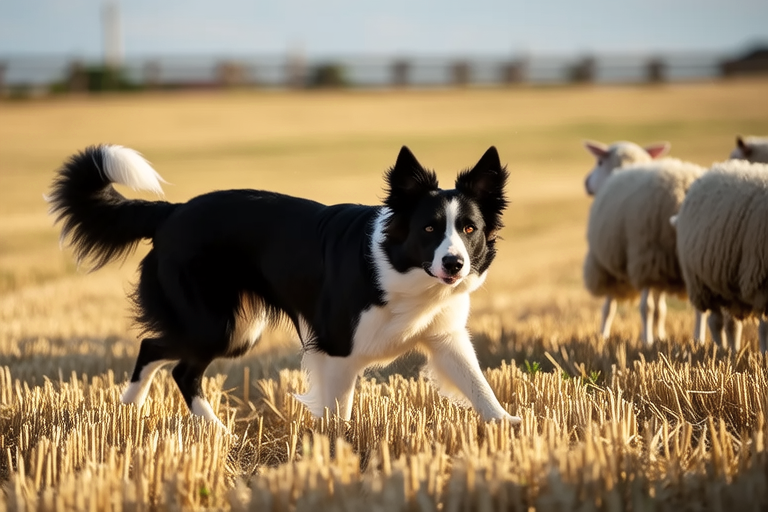
Herding Instincts of Border Collies: A Comprehensive Guide
The Border Collie is renowned for its exceptional herding abilities, which are deeply ingrained in its genetic makeup and historical background. This article explores the herding instincts of Border Collies, delving into their genetic predisposition, historical context, behavioral traits, and how these instincts manifest in various environments. Additionally, it provides tips for owners on managing and channeling this behavior positively, highlighting potential challenges, the significance of consistent training and mental stimulation, and effective activities that can satisfy their herding needs.
Genetic Predisposition
Border Collies have been selectively bred over centuries to excel in herding livestock. Their ancestors were bred for specific traits such as focus, agility, and intelligence, which have been passed down through generations. These dogs possess an innate desire to control and guide other animals, making them highly effective herders. The herding instinct is rooted in their DNA, and it is essential for understanding and managing their behavior.
Historical Background
The Border Collie originated in the border region between Scotland and England, where they were used by farmers to herd sheep across vast landscapes. Their role was to keep the flock together and guide them to designated areas. Over time, these dogs developed a strong work ethic and a deep bond with their human handlers, who relied on them for their ability to read and respond to subtle commands.
Behavioral Traits
Border Collies exhibit several key behavioral traits that contribute to their herding prowess:
- Focus: They can concentrate intensely on their task, often ignoring distractions in their environment.
- Agility: Their bodies are built for quick movements, allowing them to maneuver around obstacles and livestock with ease.
- Intelligence: Border Collies are highly intelligent and can learn complex tasks with relative ease. They are also adept at problem-solving, which makes them excellent working dogs.
- Patience: Despite their high energy levels, they can remain calm and patient when necessary, waiting for the right moment to act.
- Alertness: They are always on the lookout for any changes in their surroundings, which helps them anticipate the movements of the livestock they are herding.
Manifestation of Herding Instincts in Different Environments
Border Collies’ herding instincts can manifest differently depending on their environment:
- Rural Settings: In rural areas, where livestock is present, Border Collies will naturally assume the role of herder, guiding and controlling the movement of animals. They may chase after or circle around livestock, using their body language to direct them.
- Urban Settings: In urban environments, where livestock is absent, Border Collies may redirect their herding instincts towards inanimate objects or people. For example, they may attempt to “herd” children or other pets, using similar techniques to those employed when herding livestock.
- Indoor Settings: Even indoors, Border Collies may exhibit herding behaviors, such as rounding up family members or chasing toys. Owners must be mindful of these tendencies and provide appropriate outlets for their dog’s natural instincts.
Managing and Channeling Herding Behavior Positively
To manage and channel the herding behavior of Border Collies positively, owners should consider the following tips:
- Consistent Training: Border Collies thrive on structure and routine. Consistent training helps them understand what is expected of them and reinforces positive behaviors. Training should be firm but fair, with clear communication and rewards for good behavior.
- Mental Stimulation: Border Collies require regular mental stimulation to prevent boredom and destructive behavior. Puzzle toys, obedience training, and agility exercises can help keep their minds engaged.
- Physical Exercise: Border Collies are energetic dogs that need plenty of physical activity to stay healthy and happy. Daily walks, runs, and play sessions are essential for maintaining their physical fitness.
- Social Interaction: Border Collies are social animals that enjoy interacting with their human companions and other dogs. Regular socialization helps them develop strong bonds and reduces the likelihood of behavioral issues.
Potential Challenges
While Border Collies are highly trainable and intelligent, they can also be challenging to manage if their herding instincts are not properly channeled. Some potential challenges include:
- Chasing: Border Collies may chase after moving objects or people, which can lead to accidents or conflicts. It is important to teach them impulse control and recall commands to prevent dangerous situations.
- Barking: They may bark excessively when they are excited or trying to communicate with their handler. Teaching them to bark only when necessary and rewarding quiet behavior can help manage this issue.
- Destructiveness: If their herding instincts are not properly managed, Border Collies may become destructive, chewing on furniture or digging in the yard. Providing appropriate toys and outlets for their energy can help prevent this behavior.
Importance of Consistent Training and Mental Stimulation
Consistent training and mental stimulation are crucial for Border Collies, as they help them develop self-control and focus. Without proper training, Border Collies may become overly excitable or aggressive, leading to behavioral problems. Regular training sessions and mental challenges help keep their minds sharp and their behavior under control.
Effective Activities to Satisfy Herding Needs
There are many activities that can satisfy the herding needs of Border Collies, including:
- Agility Training: Agility courses challenge Border Collies physically and mentally, providing them with an outlet for their energy and problem-solving skills. Courses typically include jumps, tunnels, and weave poles, which require coordination and speed.
- Herd Simulation: Simulating herding scenarios with balls or other objects can help Border Collies practice their herding skills without the presence of actual livestock. This activity allows them to use their natural instincts in a controlled environment.
- Obedience Training: Obedience training teaches Border Collies to follow commands and respond to cues from their handlers. It also helps them develop focus and discipline, which are essential for successful herding.
- Herding Trials: Participating in herding trials provides Border Collies with an opportunity to showcase their skills and compete against other dogs. These events are designed to test a dog’s ability to control and guide livestock, and they can be a rewarding experience for both the dog and the handler.
Conclusion
The herding instincts of Border Collies are a testament to their intelligence, agility, and dedication. By understanding their genetic predisposition, historical background, and behavioral traits, owners can effectively manage and channel their herding behavior positively. Consistent training, mental stimulation, and physical exercise are essential for keeping Border Collies happy and well-behaved. With proper guidance and support, Border Collies can thrive in a variety of environments, whether they are working alongside their handlers or enjoying recreational activities.