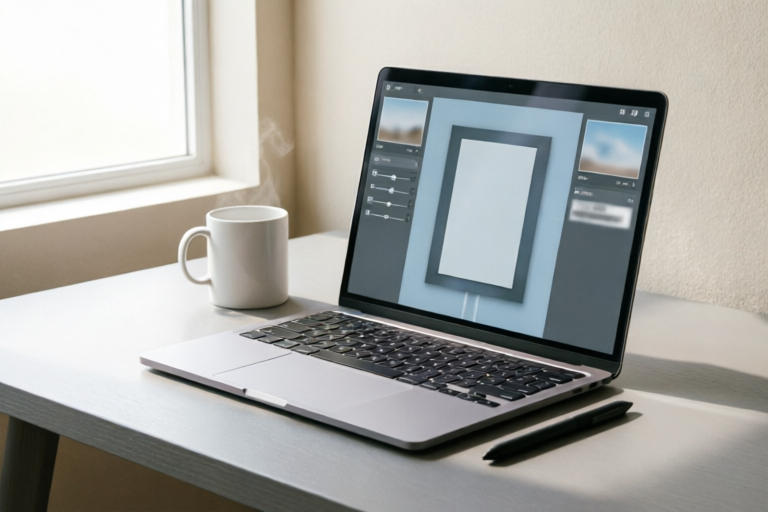
Best Practices for Using MidJourney in Design
Enhance Your Design Workflow with MidJourney
1. Introduction to MidJourney and Its Role in Design
Overview of MidJourney and its Capabilities: MidJourney is an advanced AI tool designed to assist designers in generating high-quality visual content. It leverages machine learning algorithms to create images based on user-provided prompts, offering a versatile solution for various design needs.
Importance of Integrating AI Tools in Design Processes: The integration of AI tools like MidJourney can significantly enhance creativity and efficiency in design workflows. These tools not only speed up the creation process but also provide new possibilities for experimentation and innovation.
Brief History and Development of MidJourney: MidJourney was developed by NVIDIA, a leader in AI research and development. Since its launch, it has been continuously updated and improved, incorporating feedback from users to refine its capabilities and expand its functionality.
2. Setting Up Your MidJourney Environment
How to Access and Sign Up for MidJourney: To get started with MidJourney, you need to visit the official website and sign up for an account. Once registered, you can log in and begin exploring the platform's features.
Essential Settings and Configurations for Optimal Performance: Proper setup is crucial for maximizing the performance of MidJourney. This includes adjusting resolution settings, choosing appropriate output formats, and configuring network preferences to ensure smooth operation.
Tips for Customizing Your Workspace: Personalizing your workspace can make working with MidJourney more efficient and enjoyable. Customize your interface by adding shortcuts, organizing your project folders, and setting up favorite prompts for quick access.
3. Understanding Prompt Engineering for Creative Outputs
Key Elements of Effective Prompts: Crafting clear and concise prompts is essential for achieving desired results with MidJourney. Effective prompts should include specific details about the image, such as style, composition, and color palette, to guide the AI in generating the intended visuals.
Strategies for Refining and Improving Prompt Accuracy: Refining your prompts through iterative testing and adjustment can greatly enhance the quality of the generated images. Experiment with different wording, adjust parameters, and incorporate feedback to fine-tune your prompts for better outcomes.
Common Pitfalls and How to Avoid Them: Some common mistakes when using MidJourney include vague or overly broad prompts, insufficient detail, and incorrect parameter settings. By being mindful of these pitfalls and following best practices, you can avoid common errors and produce more accurate and compelling designs.
4. Leveraging MidJourney for Different Design Applications
Case Studies of Successful Projects Using MidJourney: Explore real-world examples of how MidJourney has been successfully used in various design projects. From concept art to architectural renderings, these case studies demonstrate the versatility and effectiveness of the tool in different contexts.
Best Practices for Specific Design Tasks (e.g., Illustration, Architecture): Different design tasks may require tailored approaches when using MidJourney. Learn best practices for specific applications, such as creating detailed illustrations, designing complex architectural models, or developing interactive user interfaces.
Integrating MidJourney with Other Design Software: Seamless integration with other design tools can further enhance your workflow. Discover how to connect MidJourney with popular software like Adobe Photoshop, SketchUp, or Blender to streamline your design process and achieve more cohesive results.
5. Collaboration and Feedback Loops
Working with Teams and Clients Using MidJourney: Collaboration is key to successful design projects. Learn how to effectively collaborate with team members and clients using MidJourney, ensuring everyone is aligned and contributing to the project's success.
Techniques for Providing Constructive Feedback: Giving and receiving feedback is an integral part of the design process. Develop skills for providing constructive feedback that is both helpful and actionable, fostering a positive and productive collaborative environment.
Incorporating Revisions into the Design Process: Iterative refinement is often necessary to achieve the best possible design. Understand how to incorporate revisions and adjustments into your workflow, ensuring continuous improvement and alignment with project goals.
6. Ethical Considerations and Future Trends
Responsible Use of AI in Creative Industries: As AI tools become increasingly prevalent in creative fields, it's important to consider their ethical implications. Explore responsible usage guidelines and best practices for maintaining integrity and fairness in AI-driven design.
Emerging Trends and Potential Future Developments: Stay ahead of the curve by keeping an eye on emerging trends and innovations in AI technology. Anticipate future developments and how they might impact the design industry, preparing yourself to adapt and thrive in a rapidly evolving landscape.
Final Thoughts and Recommendations for Designers: Reflect on the journey of integrating MidJourney into your design practice. Offer final thoughts and recommendations for designers looking to leverage AI tools like MidJourney to enhance their creativity and productivity.
Comments

MidJourney has definitely sped up my content creation process. Thanks for the tips on setting up the environment!
Really enjoyed the section on ethical considerations. It's important to think about the impact of AI on our industry.

I'm having trouble with the feedback loops. Any advice on how to make sure my revisions are incorporated properly?

The case studies were super helpful. It gave me ideas on how to apply MidJourney to different types of projects.

Saved this! I'm planning to integrate MidJourney with my design workflow. Any tips for beginners?

This actually works! I used MidJourney for an illustration project and got some great results. Anyone else try it for UI/UX design?

Just tried MidJourney for the first time, and it's amazing! The tutorial really helped me get started quickly. I especially liked the part about prompt engineering.