
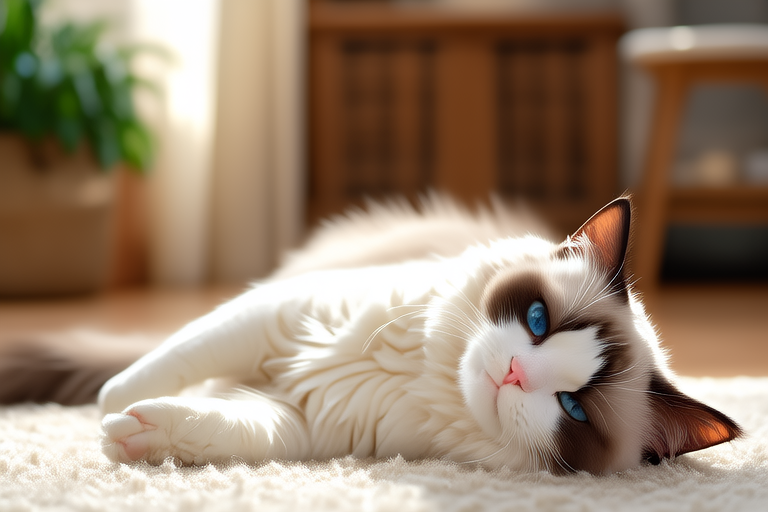
Ragdoll Cats: Graceful, Lazy, and Calm Companions
The Ragdoll is one of the most beloved cat breeds, known for its unique blend of laziness and grace. These felines are often described as having an “oriental” look, with large bodies, blue eyes, and a semi-long coat that requires minimal grooming. However, what truly sets them apart is their temperament, which is as serene as it is affectionate. This article delves into the characteristics, temperament, and care requirements of Ragdolls, highlighting why they are considered one of the calmest breeds, ideal for families and homes seeking a peaceful companion.
Characteristics of Ragdoll Cats
Ragdolls are medium to large-sized cats, typically weighing between 8 to 12 pounds for females and 10 to 20 pounds for males. Their semi-long coats come in various colors and patterns, including seal, chocolate, blue, lilac, red, and cream, often accompanied by white points. One of the most striking features of Ragdolls is their blue eyes, which are large, round, and expressive. Their faces have a sweet, almost doll-like appearance, giving them their name.
Despite their size, Ragdolls are surprisingly agile and graceful. They possess a unique trait called “ragdolling,” where they become limp when picked up, much like a rag doll. This behavior is particularly noticeable when they are young but can persist throughout their lives, especially during moments of relaxation or contentment. This characteristic is not only charming but also indicative of their docile and laid-back nature.
Temperament: The Calmest of Companions
Ragdolls are renowned for their exceptionally calm and gentle demeanor. They are known to be very affectionate and enjoy being around people, making them excellent companions for families with children. Their patience and tolerance make them well-suited for households with other pets as well. Studies have shown that Ragdolls tend to be less reactive than many other breeds, rarely displaying aggression or anxiety. Instead, they prefer to remain calm and composed, even in the face of new situations or stimuli.
One notable study conducted by the University of California, Davis, found that Ragdolls exhibited lower levels of stress hormones compared to other cat breeds when exposed to unfamiliar environments. This suggests that their calm temperament is not just a behavioral trait but may also have physiological underpinnings. The researchers attributed this to the breed’s genetic predisposition towards tranquility, which has been selectively bred over generations.
Anecdotes from Ragdoll owners often highlight their docile nature. Many report that their Ragdolls will follow them around the house, seeking out opportunities for cuddles and petting. They are known to be highly interactive and responsive to their owners’ moods, often providing comfort and companionship during times of stress or solitude. Their calm demeanor extends to their interactions with other animals, making them a harmonious addition to multi-pet households.
Laziness and Grace: A Perfect Blend
While Ragdolls are known for their laziness, it is important to note that this does not mean they are inactive. Rather, their energy levels are moderate, and they prefer to conserve their strength for more meaningful activities, such as lounging in a sunny spot or curling up next to their human companions. This combination of laziness and grace is what makes Ragdolls so endearing.
Ragdolls are graceful in their movements, even when they are being lazy. They move with a certain elegance, whether they are stretching out in a comfortable position or simply walking across the room. Their agility and coordination are impressive, despite their relaxed demeanor. This gracefulness is particularly evident when they are playing, as they can leap and pounce with surprising precision.
Many owners describe their Ragdolls as being content with a simple life. They enjoy quiet moments spent napping in a cozy corner or watching birds from a windowsill. While they are not overly demanding, they do appreciate regular attention and interaction from their owners. Their preference for calm environments means that they thrive in homes where there is a balance between activity and tranquility.
Care Requirements for Ragdoll Cats
Ragdolls are generally low-maintenance when it comes to grooming. Their semi-long coats require brushing once or twice a week to prevent matting and keep their fur healthy. Bathing is usually unnecessary unless they get particularly dirty, and their nails should be trimmed every few weeks to prevent overgrowth. Regular dental care is also important to maintain their oral health.
Feeding a high-quality diet is essential for maintaining a Ragdoll’s health. They should be fed a balanced diet that meets their nutritional needs, and portion control is important to prevent obesity. Fresh water should always be available, and some owners choose to supplement their Ragdolls’ diet with occasional treats. It is important to consult with a veterinarian to determine the appropriate diet based on the individual cat’s age, weight, and activity level.
Ragdolls are generally healthy cats, but they are prone to certain genetic conditions, including hypertrophic cardiomyopathy (HCM), a heart disease that can affect their quality of life. Regular veterinary check-ups are crucial for early detection and management of any potential health issues. Vaccinations and parasite prevention are also important aspects of their care.
Tips for Owners
Creating a safe and comfortable environment is key to ensuring your Ragdoll’s happiness and well-being. Provide them with a cozy bed in a quiet area of the home, and ensure that they have access to clean litter boxes and fresh water. Interactive toys can help stimulate their minds and provide mental stimulation, preventing boredom. Puzzle feeders are a great way to engage their problem-solving skills while also encouraging physical activity.
Socialization is important for Ragdolls, especially if they are going to live in a household with children or other pets. Early exposure to different environments and experiences can help them develop a more adaptable and confident personality. Positive reinforcement training can also be used to teach them basic commands and good behaviors. Clicker training is a popular method that can be effective for Ragdolls, as it provides clear and consistent feedback.
Spending time with your Ragdoll is one of the best ways to strengthen your bond. Engage in activities that they enjoy, such as playing with toys or simply sitting together in a comfortable spot. Ragdolls thrive on attention and affection, so take the time to give them the love and care they deserve. Regular grooming sessions can also be a great opportunity to bond with your Ragdoll, as they often enjoy the attention and touch.
Conclusion
Ragdoll cats are truly unique creatures, combining laziness and grace with a calm and gentle temperament. Their affectionate nature and low-maintenance care requirements make them an excellent choice for families and individuals looking for a peaceful companion. Whether you are a seasoned cat owner or considering adding a Ragdoll to your family for the first time, these beautiful felines are sure to bring joy and comfort to your home. By understanding their needs and providing them with the care and attention they deserve, you can ensure that your Ragdoll lives a happy and healthy life.