
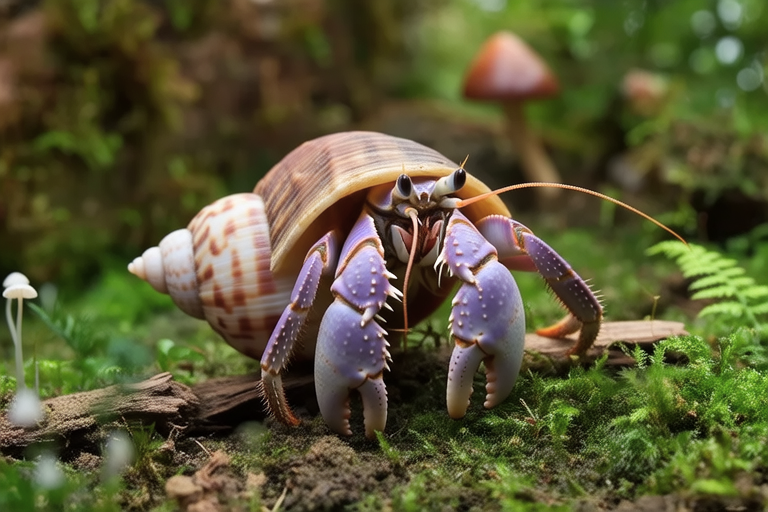
Adventures in a Small Claw: Caring for Your Hermit Crab Like a Pro
Welcome to the world of hermit crab care! These fascinating creatures offer a unique pet experience, blending the simplicity of an aquarium with the complexity of caring for a creature that requires specific environmental conditions. Whether you’re a first-time owner or a seasoned enthusiast, this guide will help you navigate the intricacies of hermit crab care, ensuring your little clawed friend thrives.
Setting Up the Perfect Habitat
The first step in hermit crab care is creating a suitable environment. Hermit crabs are tropical animals and require a tank that mimics their natural habitat. Start by selecting a glass or acrylic aquarium with a secure lid, as these crabs are adept climbers and escape artists. A 10-gallon tank is adequate for a small group, but larger tanks are better for more crabs.
Substrate is crucial for hermit crabs. Use a mixture of sand and coconut fiber, providing a deep layer for burrowing. Avoid calcium-based sands as they can be harmful if ingested. Add shells of varying sizes and shapes for the crabs to choose from when they molt or simply wish to change their homes.
Incorporate climbing structures like driftwood, rocks, and cork bark. These items not only provide enrichment but also increase the surface area for the crabs to explore. Ensure all additions are securely placed to prevent collapses.
Diet Specifics: Nourishing Your Hermit Crab
Hermit crabs are omnivorous scavengers, meaning they eat both plant and animal matter. Their diet should include a variety of foods to ensure they receive all necessary nutrients. Offer them fresh fruits and vegetables like apples, carrots, and leafy greens. Commercial hermit crab food can supplement their diet, but it should not be the sole source.
Provide occasional treats such as boiled eggs, fish flakes, and shrimp. Ensure all foods are free of pesticides and preservatives. Fresh water and saltwater dishes are essential. The freshwater dish should be filled with dechlorinated water, while the saltwater dish should contain a premixed crab-safe saltwater solution. Regularly clean and refill these dishes to maintain hygiene.
Maintaining Proper Humidity and Temperature
Humidity and temperature are critical factors in hermit crab care. Maintain a humidity level between 70% and 80% using a hygrometer. Achieve this by misting the tank daily and adding a humidifier if necessary. A too-dry environment can lead to respiratory issues and molting difficulties.
Temperature should remain steady at around 75-85°F (24-29°C). Use an under-tank heater or a heat lamp to regulate warmth. Monitor temperature with a thermometer and adjust heating sources as needed. Avoid direct sunlight as it can cause overheating.
Understanding the Molting Process
Molting is a natural part of a hermit crab’s life cycle where they shed their exoskeleton to grow. During this period, they become vulnerable and require extra care. Before molting, crabs may appear lethargic, bury themselves, or change shell preferences.
Ensure the substrate is deep enough for the crab to dig and hide. Provide extra calcium-rich foods and supplements to aid in the formation of their new exoskeleton. Keep the environment stable, avoiding any disturbances during this sensitive time. Once the molt is complete, remove the old exoskeleton and any remains from the tank.
Common Health Issues and Solutions
Like any pet, hermit crabs can face health issues. Respiratory problems, often indicated by labored breathing or discolored gills, can result from poor humidity levels. Address this by increasing humidity and ensuring proper ventilation.
Shell disease, characterized by dark spots or discoloration on the shell, can be treated by providing a varied shell selection and maintaining clean living conditions. Regularly inspect your crabs for signs of injury or infection. Consult a veterinarian specializing in exotic pets if you suspect severe health issues.
Tips for Handling and Interacting Safely
Handling hermit crabs should be done gently and infrequently. Use a soft brush or your hand to coax them out of their shells if necessary. Always support their bodies when holding, avoiding squeezing or pinching.
Interactive play can enhance your relationship with your hermit crabs. Introduce safe toys and objects for exploration. Supervise interactions to ensure the safety of both you and your pets.
Conclusion: A Rewarding Journey
Caring for hermit crabs is a rewarding endeavor that requires attention to detail and commitment. By setting up the perfect habitat, providing a balanced diet, maintaining optimal environmental conditions, understanding the molting process, addressing common health issues, and handling them safely, you can ensure your hermit crabs live long, healthy lives. Embrace the adventure of caring for these unique creatures, and enjoy the companionship of your small-clawed friends.