
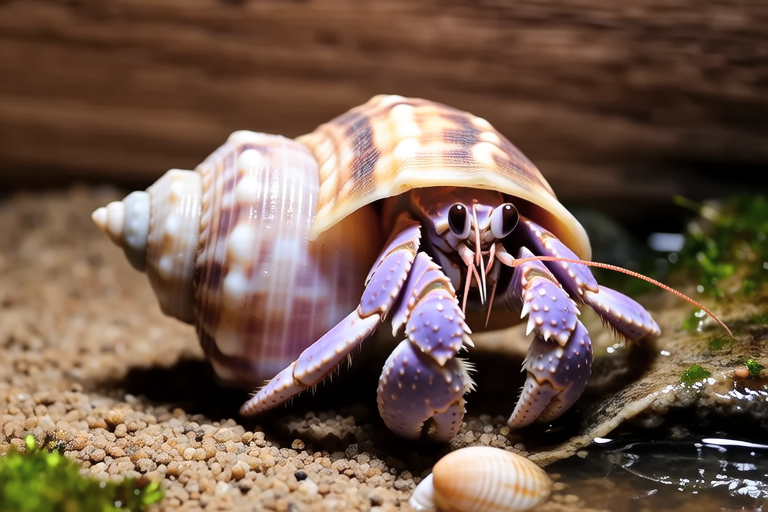
Crab Conundrum Solved: Expert Tips for Hermit Crab Owners
Welcome, fellow hermit crab enthusiasts! Whether you’re a seasoned owner or just starting your journey with these fascinating creatures, this guide will provide you with expert tips to ensure your hermit crabs live long, happy, and healthy lives. We’ll explore the ins and outs of proper habitat setup, diet requirements, common health issues, and enrichment activities to keep your hermit crabs active and engaged.
Setting Up the Perfect Habitat
The first step in becoming a successful hermit crab owner is creating an ideal environment for them. A well-set-up habitat can make all the difference in their health and happiness.
Habitat Size: Your hermit crabs need ample space to move around and explore. A general rule of thumb is one gallon of tank space per crab. However, bigger is always better. The more room they have, the happier they will be.
Temperature and Humidity: Hermit crabs thrive in warm and humid conditions. Maintain a temperature between 75°F and 85°F (24°C to 29°C) and humidity levels at 70% to 80%. Use a hygrometer to monitor humidity levels and a thermometer for temperature checks.
Substrate: Choose a substrate that retains moisture, such as coconut fiber, which also mimics their natural environment. Avoid calcium sand, as it can be harmful if ingested.
Decorations: Provide various shells for your hermit crabs to try on and climb on. Include items like driftwood, rocks, and cork bark for hiding spots and climbing structures. Ensure everything is clean and safe for your pets.
Dr. Sarah Thompson, a veterinarian specializing in exotic animals, emphasizes the importance of a well-maintained habitat. “Hermit crabs are sensitive to changes in their environment,” she says. “A stable and enriching habitat is crucial for their overall well-being.”
Diet Requirements for Optimal Health
Feeding your hermit crabs the right foods is essential for their growth and vitality. A balanced diet includes a variety of nutrients to support their unique needs.
Fruits and Vegetables: Offer a mix of fresh fruits and vegetables daily. Good choices include apples, bananas, carrots, and leafy greens. Ensure they are washed thoroughly before offering them to your crabs.
Calcium Sources: Hermit crabs require calcium for shell health. Provide crushed eggshells or cuttlebone as a source of calcium. You can also dust their food with calcium powder.
Protein: Introduce protein sources sparingly, as too much can lead to obesity. Acceptable protein options include boiled chicken, shrimp, and fish.
Water: Hermit crabs need access to fresh water for drinking and soaking. Place a shallow dish filled with dechlorinated water in their habitat. Change the water regularly to prevent bacterial growth.
Dr. Thompson advises, “A varied diet is key. Just as humans need a diverse range of nutrients, so do hermit crabs. Rotate their food options frequently to ensure they get all necessary vitamins and minerals.”
Common Health Issues and Prevention
Like any pet, hermit crabs can face health challenges. Early detection and proactive care can help manage these issues effectively.
Shell Rot: This condition occurs when bacteria or fungi infect the shell. It can cause the shell to become soft or discolored. Regular cleaning of the habitat and prompt treatment with antifungal medication can prevent this.
Molting Problems: Molting is a natural process during which hermit crabs shed their exoskeletons. During this time, they need extra calcium and a dark, quiet place to molt. Ensure they have access to clean, moist substrate and a calcium source.
Bacterial Infections: These can arise from poor hygiene in the habitat. Regular cleaning, disinfecting, and maintaining optimal temperature and humidity levels are vital for preventing bacterial infections.
Dr. Thompson suggests, “Regular health check-ups are important. If you notice any unusual behavior or physical changes, consult a veterinarian who specializes in exotic pets.”
Enrichment Activities for Happy Hermit Crabs
Providing mental and physical stimulation is crucial for the well-being of your hermit crabs. Enrichment activities can keep them engaged and prevent boredom.
Exploration Opportunities: Create tunnels and hideouts within their habitat to encourage exploration. This mimics their natural environment and keeps them mentally stimulated.
Interactive Toys: Introduce toys that encourage climbing, such as small bridges or hanging ropes. Rotate these items periodically to maintain interest.
Social Interaction: Hermit crabs are social creatures and enjoy the company of others. Keep multiple crabs together but ensure there are enough resources for each crab, including food, water, and hiding spots.
Expert hermit crab enthusiast, Mark Johnson, shares his experience, “My crabs love exploring new environments. I change their decorations every few weeks to keep things interesting for them. They seem much happier and more active.”
Final Thoughts
Owning hermit crabs is a rewarding experience. With the right care, you can provide a thriving home for these delightful creatures. Remember, a well-maintained habitat, a balanced diet, regular health checks, and enriching activities are key to ensuring your hermit crabs lead happy and healthy lives.
As you continue your journey as a hermit crab owner, stay informed and open to learning. There’s always more to discover about these fascinating pets. Enjoy the adventure of caring for these unique little creatures!