
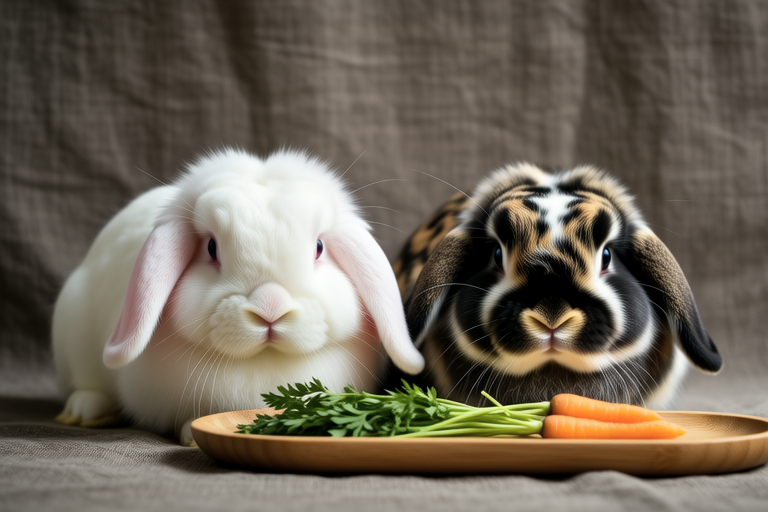
Lop Rabbits Unveiled: Facts and Tips Every Owner Should Know
With their drooping ears and gentle demeanor, lop rabbits have become one of the most popular pet rabbit breeds. Whether you’re a seasoned owner or considering adopting a lop rabbit, this guide will provide you with valuable insights into their unique characteristics, care requirements, and health concerns.
The Fascinating World of Lop Rabbits
Lop rabbits are a diverse group of domesticated rabbits known for their characteristic long, floppy ears. These rabbits come in various sizes, colors, and fur types, making them adaptable to different living conditions. The most common lop breeds include:
- English Lops: Known for their exceptionally large ears, which can measure up to 20 inches from tip to tip.
- Flemish Lops: Recognized for their robust build and medium-sized ears.
- Dutch Lops: Smaller in size, with compact bodies and shorter ears compared to other lop breeds.
- Miniature Lops: A smaller variant of the Dutch Lop, they are suitable for those with limited space.
Each breed has its own set of physical traits and temperaments, but all lop rabbits share a generally calm and friendly nature.
Physical Characteristics
Aside from their signature floppy ears, lop rabbits exhibit several distinct physical features. Their body structure is typically stocky, with short legs and a broad chest. The coat can range from smooth and short to long and woolly, depending on the breed. Colors vary widely, including white, black, brown, gray, and combinations thereof.
One of the most notable aspects of lop rabbits is their ears. These ears are not only a defining feature but also serve practical purposes. They help regulate body temperature, keeping the rabbit cool during hot weather. However, their floppy nature means that they require careful handling to avoid injury.
Temperament and Personality
Lop rabbits are renowned for their docile and affectionate personalities. They are generally calm and patient, making them ideal pets for families with children. Their gentle nature allows them to be easily handled and trained, though patience is key when interacting with young rabbits.
Despite their laid-back demeanor, lop rabbits are intelligent animals that thrive on mental stimulation. Providing toys and activities can prevent boredom and promote healthy behavior. Regular interaction with your rabbit helps build trust and strengthens the bond between you and your pet.
Care and Feeding
Housing
Adequate housing is crucial for the well-being of your lop rabbit. A spacious hutch or indoor enclosure with plenty of room to move around is essential. The enclosure should be secure, weatherproof, and well-ventilated. Ensure there’s enough space for your rabbit to stretch out comfortably and engage in natural behaviors like digging and hopping.
If kept indoors, lop rabbits can be given free roam of a bunny-proofed room. This setup allows them to explore and exercise while providing a safe environment for both the rabbit and any household items.
Feeding
Proper nutrition is vital for maintaining the health of your lop rabbit. Their diet should primarily consist of hay, which aids digestion and promotes dental health. Fresh water should always be available, and a balanced diet of pellets can supplement their nutritional needs. Avoid feeding your rabbit excessive amounts of fruits and vegetables, as these can lead to digestive issues.
Varying the type of hay and introducing new foods gradually can help prevent dietary problems. Always consult with a veterinarian before making significant changes to your rabbit’s diet.
Grooming
Regular grooming is necessary to keep your lop rabbit’s coat healthy and free from mats. Long-haired breeds may require daily brushing to prevent tangles, while short-haired varieties benefit from weekly grooming sessions. Pay special attention to areas around the ears, as they can accumulate dirt and debris.
Bathing should be minimal and only done when absolutely necessary, as rabbits naturally groom themselves. Use a gentle shampoo specifically designed for rabbits and ensure thorough rinsing to remove any soap residue.
Health Concerns
Like all pets, lop rabbits are susceptible to certain health issues. Some common ailments include:
- Digestive Problems: Gastrointestinal stasis, where the digestive system slows down or stops, is a serious condition that requires immediate veterinary attention.
- Tooth Issues: Overgrown teeth can cause pain and difficulty eating. Regular dental check-ups are important to maintain your rabbit’s oral health.
- Ear Infections: Due to their long, floppy ears, lop rabbits are prone to ear infections. Keep the ears clean and dry, and seek medical advice if you notice signs of infection.
- Skin Conditions: Mites, fleas, and fungal infections can affect your rabbit’s skin. Regular grooming and a clean living environment can help prevent these issues.
Regular visits to the vet for check-ups and vaccinations are essential for early detection and treatment of any health problems.
Tips for New Owners
Bringing home a lop rabbit is an exciting venture, but it comes with responsibilities. Here are some tips to ensure a smooth transition:
- Research Before Adoption: Familiarize yourself with the specific needs of your chosen breed to prepare adequately.
- Provide Proper Housing: Ensure the enclosure is safe, comfortable, and spacious enough for your rabbit to move freely.
- Establish a Routine: Set a consistent schedule for feeding, grooming, and playtime to create a stable environment for your rabbit.
- Encourage Social Interaction: Spend quality time with your rabbit daily to foster a strong bond and promote mental well-being.
- Seek Professional Advice: Consult with veterinarians and experienced rabbit owners to gain insights and support throughout your journey.
Conclusion
Lop rabbits are charming, loving companions that bring joy and companionship to many households. By understanding their unique characteristics and providing proper care, you can ensure a happy and healthy life for your pet. With patience, dedication, and love, owning a lop rabbit can be a rewarding experience for both you and your furry friend.