
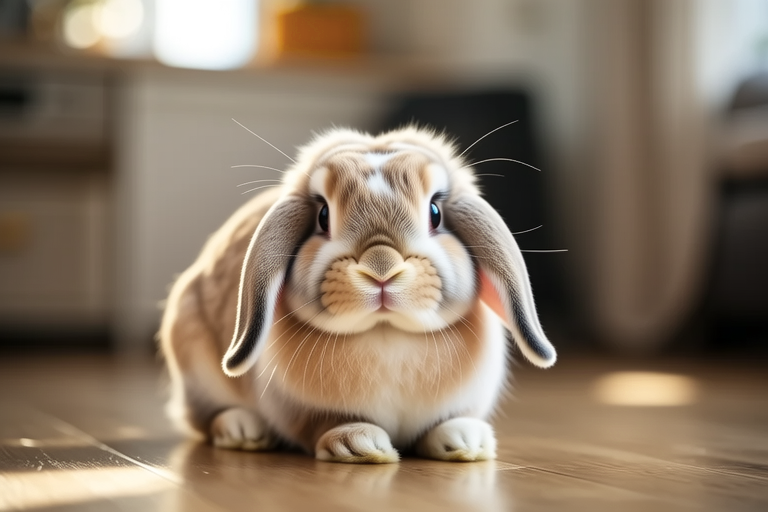
Hop Into Happiness: Everything New Pet Parents Need to Know About Lop Rabbits
Welcome to the world of lop rabbits! These delightful creatures are known for their floppy ears and gentle nature, making them one of the most beloved pets. Whether you’re a seasoned rabbit owner or a first-time pet parent, this guide will help you understand everything about lop rabbits, from their unique characteristics to their care requirements.
Introduction to Lop Rabbits
Lop rabbits are a group of domesticated rabbit breeds characterized by their long, drooping ears. They come in various sizes and colors, each with its own distinct charm. Some of the most popular lop breeds include the English Lop, French Lop, and Holland Lop. The English Lop is the largest of the breed, known for its exceptionally long ears that can reach up to 20 inches in length. The French Lop is another heavyweight, recognized for its robust build and shorter, but still droopy, ears. On the other hand, the Holland Lop is the smallest lop breed, typically weighing between 2.5 to 4 pounds, making it a favorite among apartment dwellers.
Care Tips for Your Lop Rabbit
Diet
Proper nutrition is crucial for the health and well-being of your lop rabbit. A balanced diet should consist primarily of hay, which aids in digestion and dental health. Fresh vegetables, such as carrots, broccoli, and spinach, should be offered in moderation. Avoid feeding your rabbit too many fruits, as they are high in sugar. Additionally, a small amount of pellets formulated specifically for rabbits should be provided daily.
Housing
Creating a suitable living environment for your lop rabbit is essential. A spacious cage or hutch should be provided, allowing ample room for movement and play. The enclosure should have a solid floor to prevent injury from wire flooring. Bedding made of soft, absorbent materials like shredded paper or hay should be used to keep your rabbit comfortable and warm. Ensure the housing area is placed in a quiet, draft-free location away from direct sunlight.
Grooming
Grooming your lop rabbit regularly helps maintain its coat’s health and appearance. Brush your rabbit’s fur at least once a week to remove loose hair and prevent matting. Pay special attention to the ears, keeping them clean and free of debris. Trimming your rabbit’s nails every few weeks is also important to prevent overgrowth, which can lead to discomfort or difficulty walking.
Exercise
Providing adequate exercise is vital for your lop rabbit’s physical and mental health. Allow your rabbit supervised time outside of its enclosure daily. This not only keeps your rabbit active but also stimulates its natural behaviors. Consider setting up a safe play area within your home, complete with tunnels, toys, and other enriching items. Exercise helps prevent obesity and promotes overall well-being.
Common Health Issues and Preventive Measures
Like all animals, lop rabbits are susceptible to certain health issues. One of the most common problems is dental disease, which can result from poor diet or genetics. Regular check-ups with a veterinarian experienced in rabbit care can help identify and address any potential issues early. Another concern is gastrointestinal stasis, where the digestive system slows down or stops. Ensuring a fiber-rich diet and plenty of exercise can help prevent this condition. Vaccinations and regular deworming are also important preventive measures.
Temperament and Interaction with Families
Lop rabbits are generally docile and affectionate, making them excellent companions for families. They enjoy being handled and often form strong bonds with their owners. However, it’s important to handle your rabbit gently, supporting its body and avoiding pulling on its ears. Lop rabbits can get along well with children if proper supervision is maintained. Teaching children how to interact safely with the rabbit ensures a positive relationship for everyone involved.
Litter Training and Bonding Techniques
Training your lop rabbit to use a litter box can be a rewarding experience. Start by placing the litter box in a corner of your rabbit’s enclosure and gradually encourage it to use it. Praise and treats can reinforce good behavior. Once litter trained, your rabbit can enjoy more freedom in your home. Bonding with your lop rabbit involves spending quality time together, playing, and providing affection. Consistency and patience are key to building a strong bond.
Resources for New Pet Parents
Becoming a responsible pet parent requires ongoing education and support. Joining local rabbit clubs or online communities can provide valuable resources and advice. Books and articles dedicated to rabbit care offer in-depth information on various aspects of ownership. Consulting with veterinarians specializing in exotic pets ensures your rabbit receives the best possible care throughout its life. Remember, a happy rabbit leads to a happy household.