
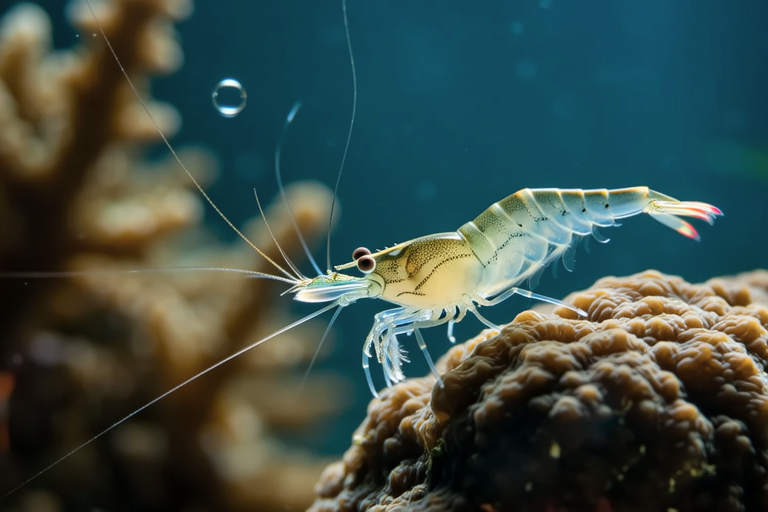
Unraveling The Mystery Of Coral Shrimp Behavior In Home Aquaria
Coral shrimp have become increasingly popular among aquarists due to their vibrant colors and unique behaviors. These small crustaceans add a touch of elegance to any aquarium, but understanding their behavior is crucial for maintaining a healthy and thriving environment. This article delves into the world of coral shrimp, exploring their natural habitats, behaviors, and how to optimize their well-being in home aquaria.
Common Coral Shrimp Species in Home Aquaria
Several species of coral shrimp are commonly found in home aquaria. Among them, the Lysmata amboinensis, also known as the cleaner shrimp, stands out due to its striking red and white coloration. Another popular species is the Lysmata debelius, or scarlet cleaner shrimp, recognized for its bright red hue. Additionally, the Thor amboinensis, or peppermint shrimp, is widely appreciated for its alternating red and white stripes. Each species brings its own charm and specific needs to the aquarium environment.
Natural Habitat vs. Aquarium Environment
In their natural habitat, coral shrimp are typically found in tropical and subtropical marine environments, including coral reefs and rocky shores. They thrive in areas with abundant algae and detritus, which serve as food sources. Coral reefs provide shelter from predators and ample space for these shrimp to establish territories. In contrast, home aquaria offer controlled environments where temperature, lighting, and water quality can be meticulously managed.
While aquaria cannot replicate the vastness and complexity of natural habitats, they can be tailored to meet the specific requirements of coral shrimp. Key factors include maintaining optimal water parameters, providing hiding spots, and ensuring a balanced diet. By understanding the differences between natural and artificial environments, aquarists can better support the health and behavior of their shrimp.
Feeding Habits
Coral shrimp are omnivorous, feeding on algae, detritus, and small organisms. In the wild, they play a crucial role in maintaining the cleanliness of coral reefs by consuming harmful bacteria and parasites. In captivity, their diet can be supplemented with prepared foods like algae wafers and frozen brine shrimp. However, it’s essential to ensure that their primary food source remains available to prevent stress and malnutrition.
Aquarists should introduce a variety of food options to mimic the diverse diet found in nature. Regular feeding schedules help establish a routine, reducing stress and promoting healthy eating habits. Additionally, offering occasional treats like spirulina or nori sheets can enhance their nutritional intake and stimulate natural foraging behaviors.
Social Interactions
Coral shrimp are generally peaceful and can coexist with a wide range of tank mates. However, their social dynamics can vary depending on species and individual temperament. Some species, like the cleaner shrimp, are known for their symbiotic relationships with other marine life. They clean fish by removing external parasites and dead skin, benefiting both parties involved.
Within the confines of an aquarium, coral shrimp may exhibit territorial behavior, especially when space is limited. Providing ample hiding spots and ensuring adequate territory size can mitigate conflicts. It’s important to monitor interactions closely, particularly during feeding times, to prevent aggressive encounters. Establishing a harmonious community requires careful selection of tank mates and regular observation.
Responses to Different Stimuli
Coral shrimp are highly sensitive to changes in their environment, responding to various stimuli in distinct ways. Light levels, water flow, and the presence of predators all influence their behavior. For instance, increased light intensity may prompt shrimp to seek refuge in darker areas of the tank, while gentle water flow encourages exploration and movement.
Noise and vibrations can also elicit responses, with shrimp often becoming more alert and cautious. Understanding these reactions allows aquarists to create stable environments that minimize stress. By controlling environmental variables and observing shrimp behavior, enthusiasts can better anticipate and address potential issues.
Tips for Optimizing Shrimp Well-Being
To ensure the well-being of coral shrimp in home aquaria, several factors should be considered:
- Water Quality: Maintain pristine water conditions by performing regular water changes and monitoring parameters such as pH, salinity, and ammonia levels.
- Hiding Spots: Provide numerous hiding places, such as live rock, PVC pipes, and artificial caves, to offer security and reduce stress.
- Space: Ensure sufficient space for each shrimp to establish territories and move freely without overcrowding.
- Diet: Offer a balanced diet rich in algae, detritus, and protein-based foods to support overall health.
- Companions: Choose compatible tank mates that share similar water requirements and temperaments.
By adhering to these guidelines, aquarists can create environments conducive to the health and happiness of coral shrimp.
Ongoing Research and Mysteries
Despite extensive study, many aspects of coral shrimp behavior remain mysteries. Ongoing research focuses on understanding their communication methods, reproductive cycles, and the impact of environmental changes on their physiology. Enthusiasts can contribute valuable observations by participating in citizen science projects or sharing detailed accounts of their shrimp’s behavior.
One area of interest involves the role of coral shrimp in reef ecosystems and how their presence affects biodiversity. Observations of shrimp behavior in different tank setups can provide insights into their adaptability and resilience. By fostering a community of engaged aquarists, we can collectively deepen our understanding of these fascinating creatures.
In conclusion, unraveling the mystery of coral shrimp behavior in home aquaria requires a combination of scientific knowledge and practical experience. By familiarizing ourselves with their natural habitats, behaviors, and needs, we can create enriching environments that promote health and happiness. With continued research and collaboration, the enigmatic world of coral shrimp will continue to captivate and inspire both beginners and seasoned aquarists alike.