
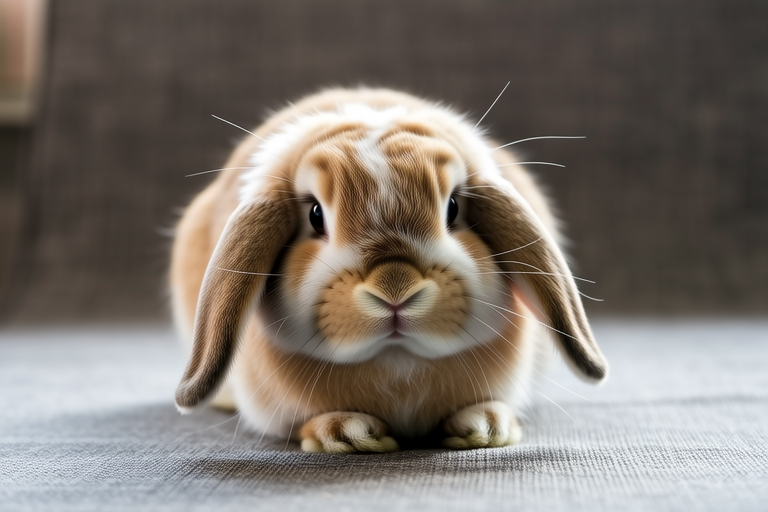
Uncover the Unique Health Needs of Lop Rabbits
Lop rabbits are beloved for their floppy ears and docile nature, making them popular pets among rabbit enthusiasts. However, like all animals, they have unique health needs that require careful attention. This article will guide you through understanding the specific health requirements of lop rabbits, covering dietary needs, common health issues, exercise requirements, grooming specifics, and genetic predispositions to certain diseases. We’ll also provide advice on how to spot signs of illness and maintain optimal health for these charming creatures.
Dietary Needs of Lop Rabbits
Proper nutrition is crucial for the overall health and longevity of your lop rabbit. A balanced diet primarily consists of hay, fresh vegetables, and a limited amount of pellets. Timothy hay or grass hay should make up the bulk of their diet as it aids in digestion and helps keep their teeth healthy. Fresh vegetables such as kale, spinach, and parsley can be offered in small quantities but should be introduced gradually to avoid digestive upset.
It’s important to monitor the quality and quantity of food given to your lop rabbit. Overfeeding can lead to obesity, which increases the risk of arthritis and other health problems. Always ensure access to clean water, and consider using a water bottle instead of a bowl to prevent contamination.
Common Health Issues
Lop rabbits are prone to several health issues that owners should be aware of. Dental problems are common due to the continuous growth of their teeth. Signs of dental disease include excessive salivation, difficulty eating, and weight loss. Regular dental check-ups by a veterinarian experienced with rabbits can help catch these issues early.
Otitis media, an infection of the middle ear, is another prevalent issue. The large, floppy ears of lop rabbits make them more susceptible to infections. Symptoms include head tilting, discharge from the ear, and loss of balance. Prompt veterinary care is essential to treat this condition effectively.
Gastrointestinal stasis, where the gut stops moving, can occur if rabbits don’t eat enough fiber or experience stress. Symptoms include decreased appetite, fewer droppings, and lethargy. Immediate intervention is necessary to prevent serious complications.
Exercise Requirements
Regular exercise is vital for maintaining the physical and mental well-being of your lop rabbit. Providing ample space for hopping, running, and playing is essential. A safe, enclosed area allows them to explore and engage in natural behaviors. Exercise also helps prevent obesity and strengthens muscles.
In addition to providing space, interactive toys can stimulate mental activity and reduce boredom. Chew toys made from untreated wood or cardboard are excellent options. Rotate toys periodically to keep things interesting and prevent overuse of any single item.
Grooming Specifics
Grooming is an important aspect of caring for your lop rabbit. Their long, floppy ears need regular cleaning to prevent infections. Use a damp cloth to gently wipe the inside of the ears, being careful not to insert anything into the ear canal. Check for redness, swelling, or discharge, which may indicate an infection.
Frequent brushing is necessary to remove loose fur and prevent matting, especially during shedding seasons. Long-haired breeds may require daily brushing to keep their coat in good condition. Pay special attention to areas around the face, feet, and tail.
Genetic Predispositions
Lop rabbits have certain genetic traits that can predispose them to specific health conditions. Hip dysplasia, a condition affecting the hip joint, is more common in lops than in other breeds. This can lead to mobility issues and pain. Early diagnosis and management through weight control and joint supplements can help alleviate symptoms.
Myopathy, a muscle disorder, can also affect lop rabbits. It causes muscle weakness and stiffness, particularly noticeable when the rabbit tries to move. Genetic testing and selective breeding programs aim to reduce the incidence of these conditions in future generations.
Maintaining Optimal Health
To ensure your lop rabbit remains healthy, regular veterinary check-ups are essential. Annual visits allow veterinarians to monitor overall health, detect potential issues early, and provide preventive care. Vaccinations against common rabbit diseases should be kept up-to-date.
Creating a stress-free environment is equally important. Provide a quiet, comfortable living space with plenty of hiding spots and opportunities for rest. Avoid sudden changes in routine or introducing new pets that could cause anxiety.
Monitoring your rabbit’s behavior and appearance daily can help identify any changes that might indicate illness. Note any unusual eating habits, changes in droppings, or signs of discomfort. Early detection and treatment of health issues significantly improve outcomes.
Conclusion
Caring for lop rabbits requires attention to their unique health needs. By understanding their dietary requirements, recognizing common health issues, providing adequate exercise, and maintaining proper grooming practices, you can ensure your lop rabbit lives a long and happy life. Regular veterinary care and a nurturing environment are key to preventing and managing potential health challenges. With the right care and attention, your lop rabbit will thrive and bring joy to your home.