
Heterometrus Spinifer: The Lesser-Known Scorpion Species
Scorpions have long fascinated humans with their menacing appearance and enigmatic behaviors. Among the vast array of scorpion species, Heterometrus spinifer, commonly known as the spiny forest scorpion, stands out as a lesser-known yet intriguing member of the arachnid family. This article delves into the physical characteristics, habitat, diet, and behavior of Heterometrus spinifer, highlighting its unique adaptations and comparing it with more familiar scorpion species. We will also discuss potential threats to its survival and the importance of understanding this species for biodiversity.
Physical Characteristics
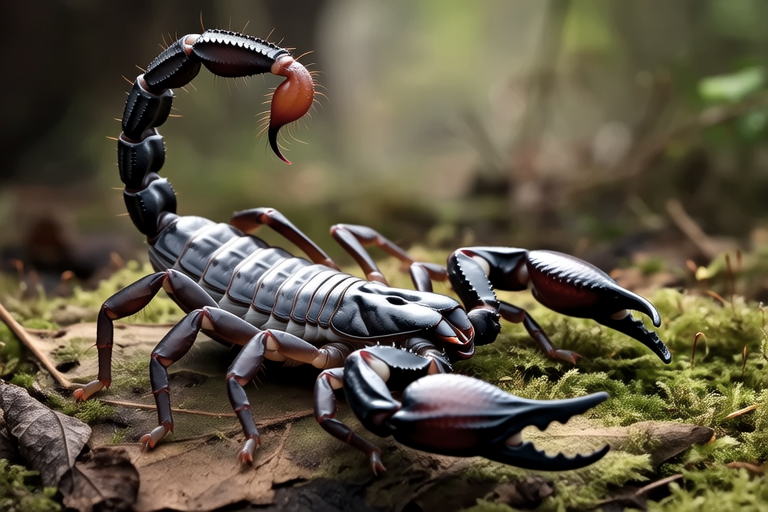
The Heterometrus spinifer is a medium-sized scorpion, typically ranging from 6 to 9 centimeters in length. Its most striking feature is the presence of prominent spines on its pedipalps (the claw-like appendages near its mouth) and legs, which give it its name. These spines are not just ornamental; they play a crucial role in hunting and defense. The body of the Heterometrus spinifer is generally dark brown or black, providing excellent camouflage in its natural habitat. Unlike some other scorpion species, such as the emperor scorpion (Pandinus imperator), which has a bright coloration that serves as a warning to predators, the Heterometrus spinifer relies on its coloration to blend into its surroundings.
Another notable characteristic of the Heterometrus spinifer is its relatively slender tail compared to other scorpion species. While many scorpions have thick, muscular tails that can deliver potent venom, the Heterometrus spinifer‘s tail is more delicate, reflecting its less aggressive nature. The venom of the Heterometrus spinifer is considered mild and is primarily used for subduing small prey rather than defending against larger threats.
Habitat and Distribution
The Heterometrus spinifer is native to Southeast Asia, particularly in countries like Thailand, Malaysia, and Indonesia. It thrives in tropical rainforests and dense vegetation, where it can find ample hiding spots and prey. Unlike desert-dwelling scorpions, such as the deathstalker scorpion (), which are adapted to arid environments, the Heterometrus spinifer prefers humid conditions. It is often found in leaf litter, under rocks, and in crevices within tree trunks. The moist environment provides the necessary humidity for its survival and helps regulate its body temperature.
The dense forest habitat of the Heterometrus spinifer offers numerous advantages. The thick canopy of trees shields it from direct sunlight, reducing water loss through evaporation. Additionally, the abundance of insects and other small creatures in the forest provides an ample food supply. However, the same dense vegetation that protects the Heterometrus spinifer from predators also poses challenges. The scorpion must navigate through complex environments, avoiding obstacles while searching for prey. This requires exceptional agility and sensory capabilities.
Diet and Feeding Behavior
The Heterometrus spinifer is a carnivorous predator, feeding primarily on insects, spiders, and other small invertebrates. It uses its powerful pedipalps to seize and crush its prey, injecting venom through specialized claws located at the base of its fangs. The venom contains neurotoxins that paralyze the victim, making it easier for the scorpion to consume. Once the prey is subdued, the Heterometrus spinifer uses its chelicerae (mouthparts) to tear apart the victim’s exoskeleton before consuming the soft tissues inside.
Unlike some scorpion species that are opportunistic feeders, the Heterometrus spinifer exhibits a preference for specific prey items. Studies have shown that it has a particular affinity for certain types of beetles and crickets, which are abundant in its habitat. This selective feeding behavior may be an adaptation to maximize nutrient intake and ensure a balanced diet. The scorpion’s ability to detect chemical cues from potential prey allows it to locate food sources efficiently, even in the dimly lit forest floor.
Interestingly, the Heterometrus spinifer has been observed to engage in cooperative hunting behavior. When multiple individuals encounter a large prey item, they work together to subdue and consume it. This cooperative behavior is rare among scorpions and suggests that the Heterometrus spinifer has evolved social strategies to enhance its chances of survival in a competitive environment. Such behaviors highlight the complexity of scorpion ecology and challenge the notion that these creatures are solitary hunters.
Behavior and Unique Adaptations
The Heterometrus spinifer is primarily nocturnal, emerging from its hiding places after sunset to hunt. Its large eyes are well-adapted for low-light conditions, allowing it to navigate and detect movement in the darkness. In addition to vision, the scorpion relies heavily on its sense of touch and vibration detection. Specialized hairs on its legs and pedipalps can detect even the slightest movements in the surrounding environment, helping it locate prey and avoid predators.
One of the most fascinating aspects of the Heterometrus spinifer is its ability to produce a defensive spray. When threatened, it can release a foul-smelling liquid from glands near its anus. This spray serves as a deterrent to potential predators, such as birds and reptiles. The chemical composition of the spray varies among scorpion species, but in the case of the Heterometrus spinifer, it contains compounds that irritate the mucous membranes of predators, causing discomfort and discouraging further attacks.
Another unique adaptation of the Heterometrus spinifer is its reproductive strategy. Female scorpions of this species carry their offspring on their backs until they are ready to molt for the first time. This maternal care ensures the survival of the young, increasing their chances of reaching maturity. Unlike many other scorpion species that lay eggs and leave them to fend for themselves, the Heterometrus spinifer invests significant energy in nurturing its offspring. This behavior reflects the evolutionary pressures faced by the species in its densely populated forest habitat, where competition for resources is high.
Comparison with Common Scorpion Species
When compared to more familiar scorpion species, such as the emperor scorpion (Pandinus imperator) or the bark scorpion (Centruroides sculpturatus), the Heterometrus spinifer exhibits several distinct features. The emperor scorpion, popular in the pet trade, is much larger and has a more robust build. It is also more docile and less likely to sting, making it a preferred choice for enthusiasts. In contrast, the Heterometrus spinifer is smaller and more agile, with a more delicate appearance.
The bark scorpion, found in North America, is known for its potent venom, which can cause severe pain in humans. In comparison, the venom of the Heterometrus spinifer is relatively mild, posing little threat to humans unless they handle the scorpion carelessly. The bark scorpion’s habitat preferences also differ significantly from those of the Heterometrus spinifer. While the bark scorpion thrives in dry, rocky environments, the Heterometrus spinifer is adapted to the lush, humid conditions of tropical forests.
Despite these differences, all scorpion species share fundamental traits, such as their nocturnal lifestyle, venomous stingers, and exoskeletons. Understanding the variations among different species provides valuable insights into the evolution and adaptation of these remarkable creatures.
Threats to Survival and Conservation Efforts
Like many species of wildlife, the Heterometrus spinifer faces various threats to its survival. Habitat destruction due to deforestation and urbanization is one of the most significant challenges. As human activities encroach upon its natural habitat, the availability of suitable living spaces for the scorpion decreases. Logging, agricultural expansion, and infrastructure development contribute to the fragmentation of forests, isolating populations and reducing genetic diversity.
In addition to habitat loss, climate change poses another threat. Rising temperatures and altered precipitation patterns can disrupt the delicate balance of the forest ecosystem, affecting the availability of prey and altering the microclimates that the Heterometrus spinifer depends on. Changes in rainfall patterns can also impact the moisture levels in the soil, potentially leading to dehydration and increased vulnerability to predators.
To address these challenges, conservation efforts are underway in several regions where the Heterometrus spinifer is found. Protected areas have been established to safeguard critical habitats and preserve biodiversity. Research projects aim to better understand the ecological requirements of the species and develop effective conservation strategies. Public awareness campaigns educate local communities about the importance of preserving forest ecosystems and the role of species like the Heterometrus spinifer in maintaining ecological balance.
The Importance of Understanding Heterometrus Spinifer for Biodiversity
Understanding the Heterometrus spinifer is crucial for comprehending the intricate web of life in tropical forests. Each species plays a unique role in its ecosystem, contributing to the overall health and stability of the environment. The Heterometrus spinifer serves as both predator and prey, influencing the population dynamics of other organisms. By studying its behavior, habitat preferences, and interactions with other species, scientists gain valuable insights into the functioning of tropical ecosystems.
Furthermore, the Heterometrus spinifer represents a valuable source of biological information. Its unique adaptations, such as the defensive spray and maternal care, provide opportunities for scientific inquiry and discovery. Understanding these adaptations can inspire new technologies and medical treatments. For instance, the venom of scorpions has been studied for its potential applications in pain management and cancer research. The Heterometrus spinifer could offer additional insights into the chemical composition of its venom and its effects on the nervous system.
Ultimately, the study of the Heterometrus spinifer underscores the importance of preserving biodiversity. Each species, no matter how obscure or seemingly insignificant, contributes to the richness and resilience of our planet’s ecosystems. By protecting the Heterometrus spinifer and its habitat, we ensure the continued existence of a vital part of Earth’s natural heritage.