
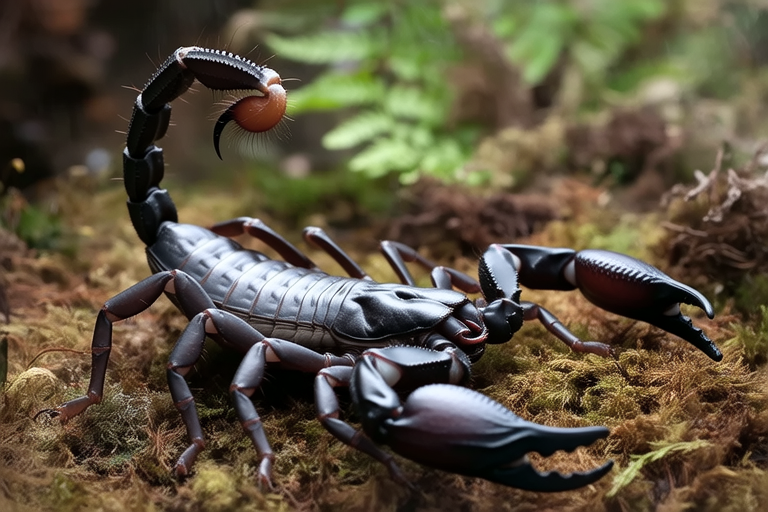
Adventures in Arachnophilia: Raising the Majestic Heterometrus Spinifer
The world of arachnids is vast and varied, each species offering its own unique charm and beauty. Among these, the Heterometrus spinifer stands out as a particularly captivating creature. Known for its striking appearance and gentle demeanor, this species of tarantula has earned a special place in the hearts of many arachnophiles. With its velvety black body and vibrant blue fangs, the Heterometrus spinifer is both a marvel and a mystery, inviting enthusiasts to delve into the intricate world of arachnid care.
Setting Up the Perfect Habitat
Before embarking on the journey of raising a Heterometrus spinifer, it is crucial to establish a suitable habitat that mimics its natural environment. The first step is selecting an appropriate enclosure. A glass tank with a secure lid is ideal, providing the necessary ventilation while preventing escapes. For an adult Heterometrus spinifer, an enclosure measuring at least 18 inches long, 12 inches wide, and 12 inches high is recommended. This ample space ensures the spider has room to roam and climb, promoting healthy physical activity.
The substrate is another critical element in creating a comfortable home for your tarantula. Coconut fiber or peat moss, both of which retain moisture well, make excellent choices. A layer of substrate about four inches deep allows the tarantula to burrow, a behavior essential for its wellbeing. Maintaining the right temperature and humidity levels is vital for the spider’s health. The ideal temperature range for a Heterometrus spinifer is between 75 and 85 degrees Fahrenheit, while humidity should be kept between 60% and 80%. Achieving these conditions can be done by using a hygrometer to monitor humidity and a thermostat-controlled heat mat for temperature regulation.
Lighting is less critical for nocturnal spiders like the Heterometrus spinifer, but providing a low-level light source during the day can help regulate their circadian rhythms. Avoid direct sunlight, as it can overheat the enclosure. Instead, opt for a soft LED light placed outside the tank.
Dietary Needs
The dietary needs of the Heterometrus spinifer are straightforward yet essential. These spiders are carnivorous and require a diet rich in protein. Live insects such as crickets, mealworms, and dubia roaches are ideal food sources. It is important to gut-load these insects with nutritious foods before feeding them to the tarantula to ensure optimal nutrition. Feeding frequency depends on the age and size of the spider; younger tarantulas may need to eat once every week, while adults can be fed once every two weeks.
When feeding, always use tongs to introduce the prey into the enclosure. This minimizes the risk of accidental bites and allows the tarantula to focus on hunting rather than feeling threatened. After feeding, remove any uneaten prey to prevent overcrowding and potential contamination of the enclosure.
Handling and Interaction
One of the most rewarding aspects of owning a Heterometrus spinifer is the opportunity for interaction. However, handling these spiders requires caution and respect. Tarantulas have urticating hairs on their abdomen that they can flick off as a defense mechanism if they feel threatened. While these hairs are generally not harmful to humans, they can cause irritation to sensitive areas such as the eyes and nose.
To handle your tarantula safely, gently scoop it up from behind, supporting its entire body. Keep interactions brief and avoid excessive handling, especially during molting periods when the spider is more vulnerable. Over time, with consistent positive experiences, some tarantulas may become more tolerant of handling, allowing for a deeper bond between keeper and pet.
Maintenance and Health Care
Maintaining the health of your Heterometrus spinifer involves regular observation and care. Regularly check the enclosure for signs of mold or bacteria, which can indicate poor hygiene or improper humidity levels. Clean the enclosure thoroughly every few months, removing old substrate and replacing it with fresh material. During cleaning, ensure the spider is relocated to a temporary holding container to avoid stress.
Monitoring the spider’s health also includes observing its eating habits and overall activity level. A healthy tarantula will show interest in food and exhibit normal movement patterns. If you notice any changes, such as decreased appetite or lethargy, consult a veterinarian specializing in exotic animals. Regular molting is another indicator of good health; however, if the spider appears to struggle during this process, intervention might be necessary. Providing a shallow water dish filled with dechlorinated water can aid hydration and molting.
The Emotional Bond
The relationship between keeper and Heterometrus spinifer goes beyond mere ownership. Many enthusiasts find that caring for these creatures fosters a deep emotional connection. Watching a tarantula grow, molt, and interact within its environment can be incredibly rewarding. The sense of responsibility and stewardship involved in keeping a tarantula alive and thriving contributes to a profound appreciation for nature’s wonders.
This bond extends to the broader community of arachnophiles who share a common passion for these magnificent creatures. Engaging with fellow enthusiasts through forums, social media groups, and local clubs can provide valuable support and learning opportunities. Together, these individuals work to promote responsible care practices and raise awareness about the importance of conserving arachnid species.
Conclusion
Raising a Heterometrus spinifer is an adventure that combines scientific knowledge with personal dedication. By understanding and meeting the specific needs of these majestic creatures, you can enjoy a fulfilling experience that deepens your connection with nature. Remember to approach this endeavor with respect and responsibility, ensuring the well-being of your pet and contributing positively to the conservation of arachnid species. Embrace the journey, and let your adventures in arachnophilia inspire a greater appreciation for the diverse and fascinating world of spiders.