
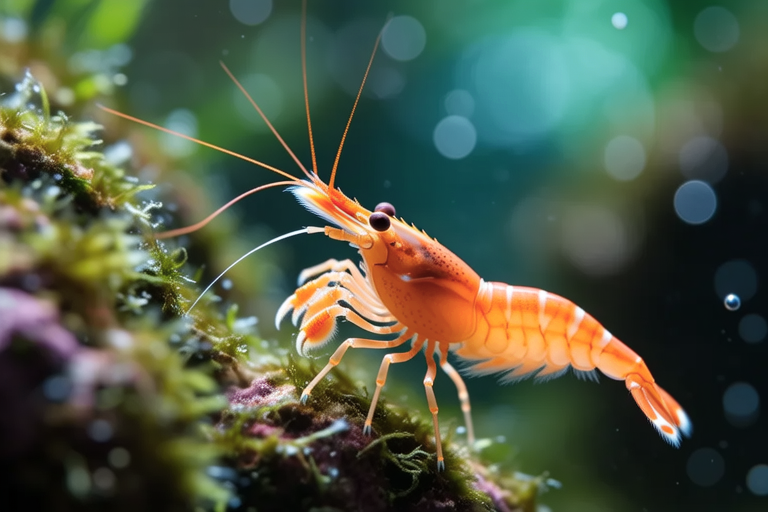
Coral Shrimp Care Made Simple: Tips and Tricks for Beginners
Welcome to the fascinating world of coral shrimp care! As a beginner aquarist, you’re about to embark on an enriching journey that combines the beauty of marine life with the satisfaction of nurturing your aquatic pets. Coral shrimp, with their vibrant colors and active nature, are popular choices for both novice and experienced aquarists. This guide will walk you through the basics of caring for these delightful creatures, ensuring a thriving environment for your coral shrimp.
Understanding Coral Shrimp
Coral shrimp, also known as cleaner shrimp or peppermint shrimp, are small crustaceans that play a vital role in maintaining the ecological balance within marine ecosystems. Their primary function is to consume algae and detritus, helping to keep the reef clean and healthy. In home aquariums, they serve as natural cleaners, keeping algae growth under control and contributing to the overall aesthetics of the tank.
There are several species of coral shrimp, each with its unique characteristics and requirements. The most commonly kept species include the Lysmata amboinensis, Lysmata debelius, and Lysmata seticauda. These shrimp come in various colors, from bright red and orange to translucent white. Their striking appearance adds a touch of elegance to any aquarium setup.
Setting Up the Ideal Habitat
To provide your coral shrimp with a comfortable and stimulating environment, it’s crucial to replicate their natural habitat as closely as possible. Start by selecting an appropriate tank size; a minimum of 10 gallons is recommended for a small group of shrimp. Ensure the tank has a tight-fitting lid to prevent escapes, as coral shrimp are skilled climbers.
The substrate should be fine-grained and free of sharp edges to avoid injuring the shrimp. Live rock and live sand are excellent choices, providing hiding spots and a surface for beneficial bacteria to grow. Incorporate plenty of caves, crevices, and other structures to mimic the complex environments found in coral reefs. Decorative elements like driftwood and artificial plants can also enhance the aesthetic appeal of the tank.
Proper filtration is essential to maintain water quality. A high-quality filter with mechanical, chemical, and biological filtration capabilities ensures the removal of waste, toxins, and excess nutrients. Regular water changes (about 10-20% per week) are necessary to keep the water fresh and clean.
Ideal Water Parameters
Maintaining optimal water conditions is critical for the health and longevity of coral shrimp. Here are the ideal parameters:
- pH: 8.1-8.4
- Temperature: 75-80°F (24-27°C)
- Salinity: 1.023-1.025 specific gravity
- Ammonia/Nitrite: 0 ppm
- Nitrate: Below 20 ppm
- Alkalinity: 8-12 dKH
- Calcium: 350-450 ppm
Regular testing of these parameters using reliable test kits is recommended. Consistent monitoring allows you to make adjustments as needed, ensuring a stable and hospitable environment for your shrimp.
Diet Requirements
Coral shrimp are omnivorous, feeding on both plant matter and small organisms. In the wild, they consume algae, detritus, and microorganisms. In captivity, their diet can be supplemented with commercial shrimp food, algae wafers, and blanched vegetables like spinach and zucchini. Occasionally offering frozen or freeze-dried foods such as brine shrimp, bloodworms, and mysis shrimp can provide additional nutrition.
Avoid overfeeding, as excess food can lead to water pollution. Feed your shrimp once or twice daily, providing only what they can consume within a few minutes. Over time, you’ll develop an understanding of their feeding habits and adjust the amount accordingly.
Selecting Healthy Coral Shrimp
Choosing healthy coral shrimp is the first step toward successful care. When purchasing shrimp, look for individuals that are active, alert, and responsive to stimuli. Healthy shrimp should have clear eyes, intact antennae, and no signs of injury or disease. Avoid shrimp with cloudy eyes, missing limbs, or visible parasites.
It’s advisable to quarantine newly acquired shrimp before introducing them to your main tank. This precautionary measure helps prevent the introduction of diseases or parasites into your established aquarium. Keep the shrimp in a separate quarantine tank for at least two weeks, observing their behavior and health closely. If no issues arise, they can be safely introduced to your main tank.
Acclimatizing Your New Shrimp
Gradually acclimate your new shrimp to the tank’s water parameters to minimize stress. Remove the shrimp from its transport bag and place it in a container filled with tank water. Add small amounts of tank water to the container every 10-15 minutes until the shrimp is fully acclimated. This process typically takes about 30-60 minutes, depending on the initial difference in water parameters.
Once acclimated, gently release the shrimp into the tank, ensuring they find shelter immediately. Provide a calm and undisturbed environment during this period to allow them to settle in comfortably.
Maintaining Health and Well-being
Regular maintenance is key to keeping your coral shrimp healthy. Perform routine water changes, clean the tank, and monitor water parameters. Observe your shrimp daily for any signs of illness or distress. Common health issues include lethargy, loss of appetite, discoloration, and excessive hiding. Address any concerns promptly by improving water quality or consulting with a veterinarian specializing in aquatic animals.
Providing a balanced diet and a stress-free environment goes a long way in promoting good health. Avoid sudden changes in water parameters and ensure the tank remains stable and consistent.
Common Challenges and Solutions
Beginners often face certain challenges when caring for coral shrimp. Here are some common issues and their solutions:
- Aggression: Some shrimp may become territorial, especially if overcrowded. Ensure adequate space and hiding spots to reduce aggression.
- Feeding: Overfeeding can lead to poor water quality and health problems. Establish a consistent feeding schedule and observe your shrimp’s eating habits.
- Water Quality: Poor water quality is a leading cause of health issues. Invest in a high-quality filtration system and perform regular water changes.
- Compatibility: Not all tank mates get along with coral shrimp. Avoid aggressive fish and invertebrates that may prey on shrimp. Research compatibility before adding new inhabitants to your tank.
The Rewarding Experience of Caring for Coral Shrimp
Watching your coral shrimp thrive in their new home can be incredibly rewarding. Their vibrant colors, active behavior, and beneficial cleaning habits add a unique dimension to your aquarium. By providing them with the right habitat, diet, and care, you contribute to their well-being and enjoy a fulfilling hobby.
Engaging with the hobby community can further enhance your experience. Join local aquarium clubs, online forums, and social media groups to connect with fellow enthusiasts. Share your successes, seek advice, and learn from others’ experiences. The collective knowledge and support of the aquarium community can help you overcome challenges and continue growing as an aquarist.
Remember, patience and dedication are key to successful coral shrimp care. With time and practice, you’ll become more confident in your abilities and enjoy the beauty and tranquility that these remarkable creatures bring to your aquatic world.