
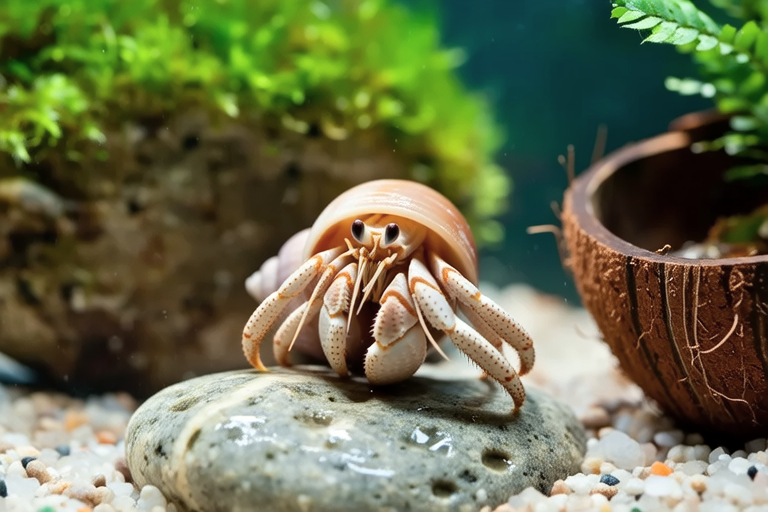
How to Create the Perfect Habitat for Your Tiny New Friend: Hermit Crabs!
Welcome to the fascinating world of hermit crabs! These tiny creatures, often overlooked in favor of more traditional pets like cats or dogs, offer a unique and rewarding experience for animal lovers. Creating the perfect habitat for your hermit crab requires attention to detail and a bit of creativity. This guide will walk you through everything you need to know to ensure your hermit crab lives a happy, healthy life.
Essential Habitat Setup
Substrate Selection
The substrate, or bedding material, is one of the most crucial elements of your hermit crab’s habitat. The ideal substrate should be safe, comfortable, and provide a natural environment for your pet. A mix of coconut fiber, sand, and crushed coral is highly recommended. Coconut fiber retains moisture well and provides a soft surface for your hermit crab to burrow into. Sand allows them to dig and explore, while crushed coral adds essential minerals and helps maintain pH balance in the substrate.
Shell Variety
Hermit crabs require shells for protection and as they grow, they will periodically outgrow their current ones. Provide a wide variety of shells in different sizes and shapes to accommodate your crab’s growth and personal preferences. Ensure that the shells are clean and free from harmful chemicals or parasites. You can find suitable shells at pet stores or online, or even collect them from beaches, just make sure they are properly cleaned before introducing them into the habitat.
Water Conditions
Hermit crabs need both fresh and saltwater sources in their habitat. Freshwater should be provided in a shallow dish, allowing your crab to drink and bathe. It’s important to change this water regularly to prevent bacteria buildup. For saltwater, use a commercial salt mix specifically designed for marine animals. Avoid using table salt or aquarium salt as they may contain additives harmful to your hermit crab. A shallow dish of saltwater should also be available for your crab to soak in, which aids in shedding their exoskeleton.
Temperature Control
Hermit crabs thrive in a warm environment, ideally between 75°F and 85°F (24°C to 29°C). Maintaining the correct temperature is vital for their health and activity levels. Use a thermometer to monitor the temperature inside the habitat. If necessary, consider using a heat lamp or under-tank heater to keep the temperature consistent. Be cautious not to overheat the enclosure, as excessive heat can be detrimental to your crab’s wellbeing.
Humidity Levels
Maintaining appropriate humidity levels is another critical factor in creating a suitable habitat for hermit crabs. They require a humidity level between 70% and 80%. Too little humidity can cause dehydration and respiratory issues, while too much can lead to mold growth. To achieve optimal humidity, mist the substrate regularly with dechlorinated water. Using a hygrometer to measure humidity levels will help you fine-tune the environment.
Dietary Needs
Your hermit crab’s diet should be varied and nutritious. In addition to commercial hermit crab food, offer a mix of fruits, vegetables, and protein-rich foods. Suitable options include apples, bananas, carrots, spinach, and cooked chicken. Always ensure that all food items are pesticide-free and thoroughly washed. Providing a calcium source, such as cuttlebone, is beneficial for their exoskeleton health. Avoid feeding your hermit crabs processed foods, sugary snacks, or any food that could be harmful to them.
Tips for Ensuring a Healthy Environment
Creating a healthy environment for your hermit crab involves more than just setting up the habitat correctly. Here are some additional tips:
- Regular Cleaning: Keep the habitat clean by removing uneaten food and waste promptly. Perform a deep clean every few weeks, replacing the substrate if necessary.
- Adequate Space: Provide enough space for your hermit crabs to move around freely. A general rule of thumb is 10 gallons of space per crab.
- Safety: Ensure there are no sharp objects or small openings that could harm your hermit crabs. Secure the lid of the habitat to prevent escapes.
Common Mistakes to Avoid
While caring for hermit crabs can be rewarding, there are several common pitfalls to watch out for:
- Incorrect Substrate: Avoid using materials that can harm your crabs, such as cedar chips or pine shavings, which release aromatic oils toxic to hermit crabs.
- Improper Water Sources: Do not use tap water directly; it often contains chlorine and other chemicals harmful to hermit crabs. Always use dechlorinated water or let it sit for 24 hours before use.
- Overheating: Excessive heat can stress your hermit crabs and lead to health problems. Monitor the temperature closely and adjust heating devices as needed.
Advice on Enriching Their Living Space
To promote natural behaviors and keep your hermit crabs engaged, enrich their living space with various features:
- Hideouts: Offer plenty of hiding spots made from driftwood, cork bark, or artificial caves. These provide security and stimulate exploration.
- Vertical Exploration: Incorporate branches or driftwood pieces that allow your crabs to climb and explore vertically.
- Environmental Enrichment: Introduce novel objects periodically, such as small toys or decorations, to encourage curiosity and interaction.
Conclusion
Creating the perfect habitat for your hermit crab is an ongoing process that requires commitment and care. By paying attention to the details and providing a stimulating, healthy environment, you can ensure your tiny friend thrives. Remember, each hermit crab is unique, so be patient and observant as you learn about their individual needs and preferences. With proper care, your hermit crab will reward you with years of companionship and enjoyment.