
Hermit Crabs: Unique Life Cycle, Habitat, and Behaviors
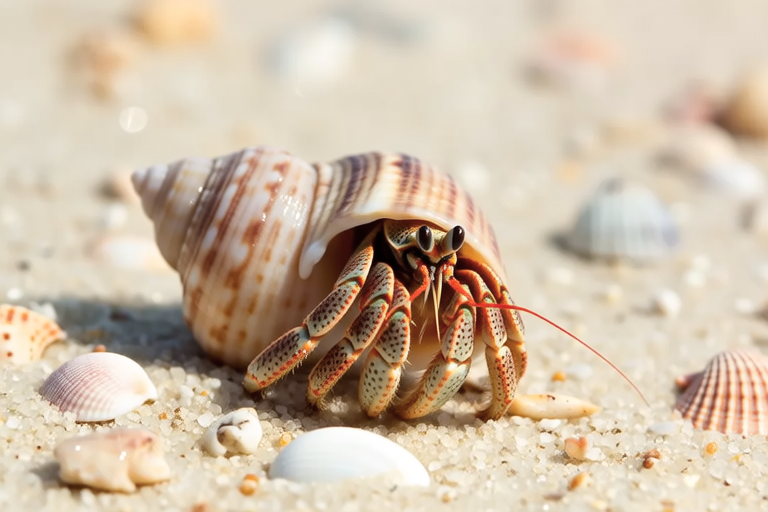
Hermit crabs are fascinating creatures with a unique life cycle, habitat, and behavior. These small crustaceans have adapted to live in a variety of environments, from tropical beaches to freshwater streams. Their most notable adaptation is their use of empty snail shells for protection, which they must regularly replace as they grow. This article explores the intriguing world of hermit crabs, focusing on their transition from tiny shells to larger ones, their adaptability, interactions within ecosystems, and common myths about their lifestyle.
The Life Cycle of Hermit Crabs
Hermit crabs begin their lives as microscopic eggs, laid in large quantities by females. After hatching, larvae enter the planktonic stage, drifting in ocean currents for several weeks before settling on the seafloor. Once they reach the juvenile stage, hermit crabs start searching for their first suitable shell, a crucial step in their development. As they grow, they outgrow their current shell and must find a new one, often engaging in shell fights or trading with other hermit crabs to secure better accommodations.
Habitat and Adaptability
Hermit crabs inhabit various environments, including tropical and temperate oceans, mangroves, and even freshwater streams. They are highly adaptable, capable of surviving in diverse conditions, from shallow coastal waters to deep ocean trenches. Their adaptability extends to their feeding habits, as they are omnivorous scavengers, consuming algae, detritus, and small invertebrates. This versatility allows them to thrive in different habitats, contributing to their widespread distribution across the globe.
Shell Selection Process
The process of selecting a new shell is crucial for hermit crabs’ survival. When a hermit crab outgrows its current shell, it searches for a replacement that provides adequate protection while allowing for comfortable movement. The crab evaluates potential shells based on size, shape, and weight, ensuring a snug fit. This selective process can lead to intense competition among hermit crabs, especially during periods of rapid growth or when suitable shells are scarce.
Interactions Within Ecosystems
Hermit crabs play essential roles in their ecosystems, acting as decomposers, aiding in nutrient cycling, and serving as prey for larger predators. They also contribute to coral reef health by consuming algae and promoting biodiversity. In some cases, hermit crabs may even influence the behavior of their cohabitants, such as sea anemones, which attach themselves to the shells of certain hermit crab species for mutual protection.
Myths About Hermit Crabs
Several misconceptions surround hermit crabs, including the belief that they are solitary creatures. In reality, hermit crabs are social animals, often gathering in large groups to mate, forage, or engage in shell trading. Another myth is that hermit crabs are harmful to their environment, but research has shown that they actually promote ecosystem balance by controlling algae populations and facilitating nutrient recycling.
Tips for Pet Owners
If you’re considering keeping hermit crabs as pets, there are several important factors to consider. First, ensure you provide a spacious tank with ample hiding spots, climbing structures, and a variety of shell sizes. Maintain proper humidity levels and temperature ranges, as hermit crabs require a moist environment to thrive. Offer a balanced diet consisting of commercial hermit crab food, fresh fruits, vegetables, and occasional protein sources like fish or shrimp. Regularly clean the tank and monitor your pet’s health, providing veterinary care if necessary.
Environmental Impacts on Growth
The growth rate of hermit crabs can be influenced by environmental factors such as water quality, temperature, and availability of suitable shells. Optimal conditions promote faster growth, while suboptimal conditions can slow down development or lead to health issues. For example, exposure to pollutants or high levels of heavy metals can negatively impact hermit crab health, reducing their ability to find and occupy appropriate shells.
Conservation Efforts and Challenges
Despite their adaptability, hermit crabs face numerous challenges in both natural and captive environments. Overharvesting for the pet trade and habitat destruction pose significant threats to wild populations. Conservation efforts focus on protecting critical habitats, regulating the pet trade, and raising public awareness about the importance of preserving hermit crab ecosystems. Researchers are also studying the effects of climate change on hermit crab populations, aiming to develop strategies for mitigating potential impacts.
Conclusion
Hermit crabs are remarkable creatures with a complex life cycle, unique habitat requirements, and fascinating behaviors. Their ability to adapt to diverse environments and their intricate shell selection process highlights the ingenuity of nature. By understanding hermit crabs’ needs and challenges, we can better appreciate these captivating animals and work towards their conservation. Whether in the wild or as beloved pets, hermit crabs continue to captivate and inspire curiosity in people around the world.