
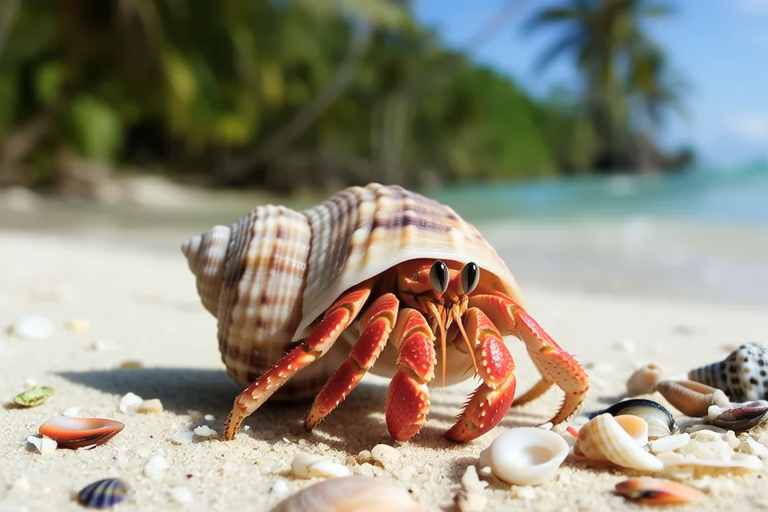
The Ultimate Guide to Hermit Crab Care: Tips from Experts
Hermit crabs are fascinating creatures that make wonderful pets. They are relatively low-maintenance but require specific care to thrive. This guide will provide you with expert tips on setting up their habitat, dietary needs, healthcare, common mistakes to avoid, and enrichment activities.
Setting Up the Perfect Habitat
Creating a suitable environment is crucial for your hermit crab’s happiness and health. Start by choosing an appropriate tank size; experts recommend at least 10 gallons per crab for smaller species, increasing for larger ones. The tank should have a tight-fitting lid to prevent escapes and maintain humidity levels between 70% and 80%.
Incorporate substrate into your tank, which serves as a hiding place and helps maintain humidity. Crushed coral or coconut fiber are popular choices. Ensure it’s deep enough for your crabs to burrow comfortably. Add water dishes for drinking and bathing, ensuring they’re shallow and easy for the crabs to access without drowning.
Temperature control is vital. Maintain temperatures between 75°F and 85°F using a heat lamp or under-tank heater. A thermometer placed inside the tank can help monitor these conditions accurately.
Experts suggest including climbing structures like driftwood or cork bark for exercise and exploration. These items also serve as additional hiding spots and contribute to a more stimulating environment.
Dietary Needs: What Hermit Crabs Should Eat
Hermit crabs are omnivores with diverse dietary preferences. Their diet should consist of high-quality commercial hermit crab food supplemented with fresh fruits, vegetables, and occasional protein sources.
Provide a balanced diet by offering a variety of foods daily. Fresh produce such as apples, bananas, and leafy greens provides essential vitamins and minerals. Avoid feeding them citrus fruits, which can be harmful. Offer protein-rich treats sparingly, such as boiled eggs or fish flakes.
Hermit crabs also need calcium for shell health. Crushed eggshells or calcium supplements can be added to their diet. Ensure they always have access to fresh, dechlorinated water.
Consult with a veterinarian specializing in exotic animals if you’re unsure about specific dietary requirements. Regular feeding schedules promote consistent growth and development.
Healthcare and Common Issues
Regular health checks are necessary for early detection of potential issues. Monitor your crabs for signs of illness, such as lethargy, loss of appetite, or changes in coloration. If you notice any concerning symptoms, consult a veterinarian immediately.
Common ailments include molting problems and shell disease. During molting, crabs shed their exoskeletons to grow. Provide a safe, humid area where they can molt undisturbed. After molting, ensure they return to their regular habitat.
Shell disease, caused by bacteria or fungi, manifests as discoloration or pitting on the shell. Clean shells regularly to prevent this condition. Quarantine new additions to the tank for several weeks to prevent introducing diseases.
Veterinarians recommend regular check-ups to maintain overall health. Keep detailed records of feeding habits, activity levels, and any changes in behavior for reference during consultations.
Common Mistakes to Avoid
Avoid overcrowding the tank, as this can lead to stress and aggression among crabs. Ensure there are enough shells of various sizes for all inhabitants.
Do not use tap water directly in the tank. Tap water often contains chlorine and other chemicals harmful to hermit crabs. Instead, use dechlorinated water or let it sit out for 24 hours before adding it to the tank.
Avoid placing glass aquarium heaters directly in the water dish, as they can overheat and potentially burn your crabs. Use submersible heaters instead.
Never handle your hermit crabs excessively, as they are sensitive creatures that prefer minimal disturbance. Handling can cause stress and potentially harm them.
Enrichment Activities: Keeping Your Hermit Crabs Happy
To keep your hermit crabs mentally stimulated, offer toys and puzzles designed specifically for small pets. Rotate these items periodically to maintain interest.
Introduce new elements to their environment gradually. This could include different types of substrates, decorations, or even rearranging existing items within the tank. These changes encourage exploration and play.
Encourage natural behaviors by providing opportunities for climbing, burrowing, and exploring. This mimics their natural habitat and promotes physical activity.
Engage with your crabs through gentle interactions, such as observing their activities or offering treats. This strengthens the bond between you and your pets while providing mental stimulation.
Understanding Hermit Crab Behavior
Observing your hermit crabs’ behavior can provide valuable insights into their well-being. Healthy crabs are active, alert, and show interest in their surroundings. Pay attention to how they interact with each other and their environment.
Some behaviors may indicate discomfort or distress. For example, excessive hiding or reluctance to explore could signal issues with the tank’s environment. Consult a veterinarian if you notice prolonged abnormal behavior.
Hermit crabs communicate primarily through chemical signals. They leave pheromones behind as they move, which other crabs can detect. Understanding these signals helps create a harmonious community within the tank.
By paying close attention to your crabs’ actions and reactions, you can better meet their needs and ensure their happiness.
With proper care and attention, hermit crabs can live long, healthy lives in captivity. By following these expert tips, you’ll provide your pets with a thriving environment that supports their physical and emotional well-being. Remember, the key to successful hermit crab ownership lies in understanding their unique requirements and creating a habitat that closely resembles their natural home.