
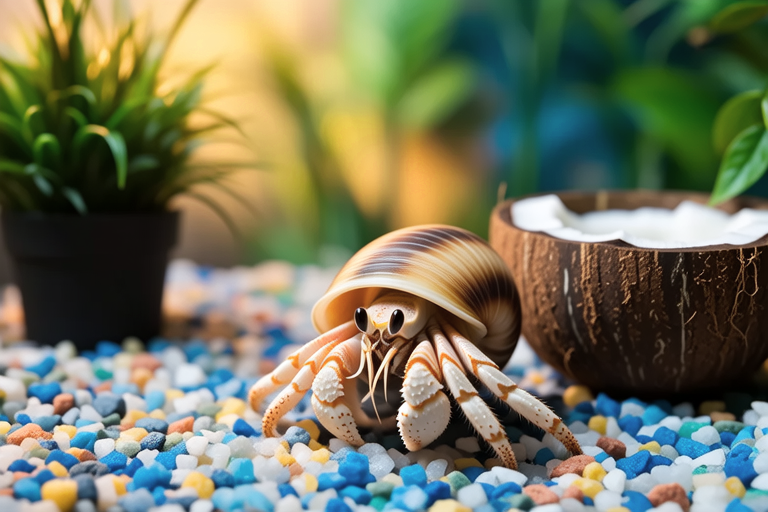
Step-by-Step: Setting Up a Vibrant Tank for Your Colorful Hermit Crabs
Welcome to the fascinating world of colorful hermit crabs! These delightful creatures, known for their vibrant shells and curious personalities, require special attention to ensure they live long, happy lives. Unlike many pets, hermit crabs have unique care needs that include specific environmental conditions to mimic their natural habitats. A well-designed tank is crucial for their health and happiness, providing them with the space, resources, and stimulation necessary for thriving.
Selecting the Appropriate Tank Size
The first step in setting up your hermit crab tank is choosing the right size. Hermit crabs are social animals that thrive in groups, so it’s important to provide enough space for multiple crabs. A general rule of thumb is to allow at least 10 gallons of tank space per crab. This ensures that each crab has adequate room to explore, play, and interact with others without feeling cramped.
Choosing Suitable Substrate Material
The substrate, or bedding, is a critical element in your hermit crab’s habitat. It serves as a place for burrowing, climbing, and digging, all essential activities for these curious creatures. Coconut fiber, crushed coral, or a mixture of sand and soil are popular choices. Avoid using cedar shavings or any other wood-based materials, as they can be harmful to hermit crabs. Additionally, the substrate should be deep enough for your crabs to burrow comfortably, typically around 3-4 inches deep.
Providing Ample Hiding Spots and Climbing Structures
Hermit crabs need places to hide and rest, which helps reduce stress and promotes a sense of security. Incorporate various hiding spots such as small caves, tunnels, and ceramic pots. These should be placed throughout the tank to encourage exploration and provide different areas for your crabs to retreat to when they need privacy. Climbing structures, like driftwood or artificial plants, also stimulate physical activity and help maintain muscle strength. Ensure that these structures are securely anchored to prevent tipping and potential injuries.
Ensuring Proper Ventilation
Adequate ventilation is essential for maintaining air quality within the tank. Poor ventilation can lead to stagnant air, which may cause respiratory issues for your hermit crabs. To ensure proper airflow, use screen lids or mesh covers on top of the tank. This allows fresh air to circulate while preventing escape. Additionally, consider placing the tank in a well-ventilated area of your home, away from direct sunlight and drafts.
Maintaining Optimal Temperature and Humidity Levels
Hermit crabs are tropical creatures and require warm, humid environments to thrive. The ideal temperature range for a hermit crab tank is between 75°F and 85°F (24°C – 29°C). Use a reliable thermometer to monitor the temperature inside the tank and adjust heating sources as needed. Humidity levels should be kept between 70% and 80%. Achieve this by misting the tank daily or using a humidifier. A hygrometer will help you accurately measure humidity levels and make necessary adjustments.
Incorporating Water Dishes for Shell Soaking
Water dishes are essential for hermit crabs, as they need to periodically soak their shells to maintain moisture and facilitate molting. Provide two shallow dishes: one filled with saltwater and another with freshwater. The saltwater dish should contain a mixture of dechlorinated tap water and marine aquarium salt, following the manufacturer’s instructions. The freshwater dish should be filled with dechlorinated tap water. Ensure both dishes are large enough for your crabs to fully submerge their bodies, but not so deep that they could drown. Place the dishes at opposite ends of the tank to encourage movement and exploration.
Decorating the Tank with Safe, Vibrant Elements
Decorating your hermit crab tank not only enhances its visual appeal but also provides mental stimulation and enrichment for your pets. Use non-toxic, safe materials such as smooth stones, seashells, and driftwood. Incorporate vibrant elements like colored rocks, plastic plants, or small toys to create an engaging environment. Be cautious when adding decorations, ensuring they are free of sharp edges or harmful chemicals. Regularly inspect the tank for any items that may become damaged or pose a choking hazard.
Regular Tank Maintenance and Signs of a Healthy Environment
Proper tank maintenance is key to keeping your hermit crabs healthy and happy. Clean the tank weekly by removing waste, replacing water in the dishes, and spot-cleaning the substrate. Every few months, perform a thorough cleaning of the entire tank, including replacing the substrate and disinfecting all accessories. Regularly check the temperature and humidity levels to ensure they remain within the recommended ranges. Signs of a healthy, thriving environment include active behavior, clear eyes, and well-maintained shells. If you notice any unusual symptoms or lethargy, consult a veterinarian specializing in exotic pets for guidance.
Setting up a vibrant tank for your colorful hermit crabs requires careful planning and attention to detail. By following these steps, you’ll create a stimulating and comfortable environment that encourages natural behaviors and promotes overall well-being. Whether you’re a first-time hermit crab owner or an experienced enthusiast, these guidelines will help you provide the best possible home for your beloved pets.