
The Ultimate Guide: Training Your Poodle Like a Pro
Understanding Poodle Behavior
Poodles are known for their intelligence, energy, and loyalty. They are highly trainable dogs that thrive on mental stimulation and human interaction. To train your poodle effectively, it’s crucial to understand their behavior and motivations. Poodles are sensitive and can easily pick up on their owner’s moods and emotions. This sensitivity makes them excellent companions but also means they can become anxious or stressed if not handled properly.
One of the key traits of poodles is their eagerness to please. They enjoy learning new things and will work hard to earn praise and rewards from their owners. Understanding this desire to please is essential for successful training. Additionally, poodles are highly intelligent, which means they can get bored quickly if not challenged mentally. Providing them with stimulating activities and varied training sessions can help keep them engaged and prevent behavioral issues.
Essential Basic Commands
Teaching your poodle basic commands is the foundation of effective training. Start with simple commands like ‘sit,’ ‘stay,’ ‘come,’ and ‘down.’ These commands are not only useful for everyday situations but also serve as building blocks for more advanced training. Here’s how you can teach each command:
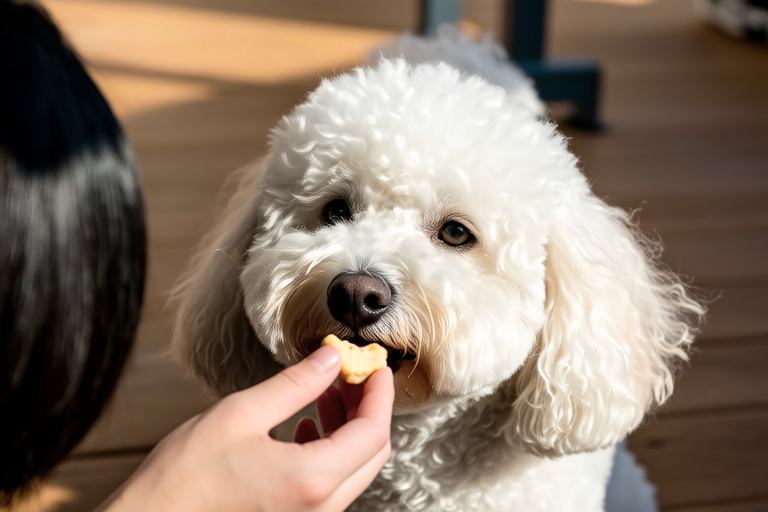
- Sit: Hold a treat close to your poodle’s nose and slowly move your hand upwards. As your dog looks at the treat and sits down, say ‘sit’ and give the treat as a reward. Repeat this several times until your poodle associates the word with the action.
- Stay: Once your poodle has mastered ‘sit,’ add the ‘stay’ command. Have your dog sit, then hold out your hand and say ‘stay.’ Take a step back and wait a few seconds before returning to your dog and rewarding them. Gradually increase the distance and duration of the stay.
- Come: Teach your poodle to come when called by using a consistent recall word. Initially, practice in a safe, enclosed area. Call your dog’s name followed by the command ‘come,’ and reward them with treats and praise when they return to you.
- Down: Start with your poodle in a sitting position. Hold a treat in your hand and lower it towards the ground while saying ‘down.’ When your dog lies down, give the treat and praise.
Advanced Training Techniques
Once your poodle has mastered basic commands, you can move on to more advanced training techniques. These include teaching your dog to perform tricks, agility training, and even participating in dog sports. Advanced training not only keeps your poodle mentally stimulated but also strengthens your bond. Some popular advanced training techniques include:
- Teaching Tricks: Poodles are quick learners and can be taught a variety of tricks such as rolling over, shaking hands, and playing dead. Use positive reinforcement to encourage these behaviors, and gradually reduce the frequency of treats as your poodle becomes more proficient.
- Agility Training: Agility courses involve navigating obstacles such as jumps, tunnels, and weave poles. Agility training helps improve your poodle’s physical fitness, coordination, and obedience. It requires patience and consistent practice, but the results are rewarding.
- Dog Sports: Consider enrolling your poodle in dog sports like flyball, dock diving, or lure coursing. These activities provide a fun and competitive environment where you and your poodle can work together as a team.
The Importance of Consistency and Positive Reinforcement
Consistency and positive reinforcement are vital for successful poodle training. Dogs learn best when they receive clear, consistent instructions and positive feedback. Avoid confusing your poodle by using different commands or inconsistent methods. Stick to one set of commands and ensure all family members follow the same rules.
Positive reinforcement involves rewarding your poodle for good behavior with treats, praise, or playtime. This method encourages your poodle to repeat the desired behavior. Be generous with your praise and rewards, especially during the early stages of training. Over time, you can gradually reduce the frequency of treats as your poodle learns to associate the commands with the actions.
Tips for Socializing Your Poodle
Socialization is crucial for your poodle’s development into a well-rounded, confident adult dog. Expose your poodle to various environments, people, and other animals from an early age. This helps them become comfortable in different situations and reduces the likelihood of developing fear-based aggression.
- Expose to Different Environments: Take your poodle to parks, pet stores, and other public places. Introduce them to different surfaces, sounds, and smells.
- Meet New People: Encourage friends and family to interact with your poodle. This helps them become accustomed to meeting new people and builds their confidence.
- Interact with Other Animals: Arrange supervised playdates with other well-socialized dogs. This teaches your poodle appropriate social behavior and helps them develop strong social skills.
Common Challenges Faced During Training and Their Solutions
Training your poodle may present some challenges, but with patience and persistence, you can overcome them. Some common challenges include:
- Overstimulation: Poodles can become easily overstimulated, leading to distracted or unresponsive behavior. To combat this, create a calm, distraction-free environment during training sessions. Short, frequent training sessions are often more effective than long, drawn-out ones.
- Separation Anxiety: If your poodle suffers from separation anxiety, consider crate training or providing them with toys to keep them occupied while you’re away. Gradually increase the time you spend away from home to help your poodle adjust.
- Aggression Toward Strangers: Early socialization can prevent aggressive behavior toward strangers. If your poodle already exhibits aggression, seek professional help from a certified dog trainer or behaviorist.
Maintaining a Healthy Relationship With Your Pet Throughout the Training Process
Building a strong, healthy relationship with your poodle is essential for successful training. Spend quality time with your poodle outside of training sessions. Engage in activities your poodle enjoys, whether it’s playing fetch, going for walks, or simply cuddling. A strong bond between you and your poodle will make training sessions more enjoyable and effective.
Be patient and understanding throughout the training process. Every dog learns at their own pace, and setbacks are normal. Celebrate small victories and maintain a positive attitude. Remember, the goal of training is not just to teach commands but also to strengthen the bond between you and your poodle.