
Samoyed: The Ultimate Guide for Every New Owner
Breed Characteristics
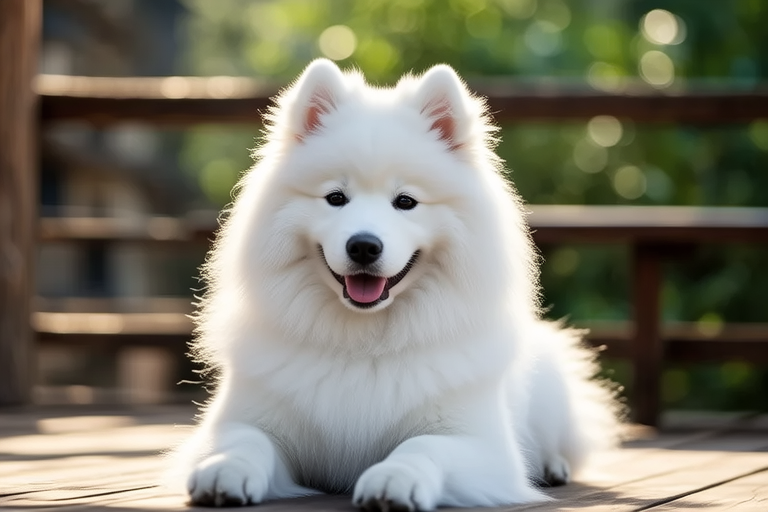
The Samoyed is a medium-sized dog breed known for its striking appearance and friendly demeanor. Originating from Siberia, these dogs were originally bred by the nomadic Samoyede people for herding reindeer and pulling sleds. Their double coat, which is thick and fluffy, provides excellent insulation against harsh weather conditions. Samoyeds have a distinctive white or cream-colored coat that can sometimes include biscuit or light brown coloring. They possess a plumed tail that curls over their back, a characteristic that adds to their regal appearance.
In addition to their physical attributes, Samoyeds are highly intelligent and independent. This intelligence makes them quick learners but also requires consistent training to keep them engaged and prevent boredom-related behavior problems. Their strong working heritage means they are energetic and require regular exercise to stay healthy and happy.
Temperament
Samoyeds are renowned for their gentle and affectionate nature. They form strong bonds with their families and are often described as being very loyal. These dogs are generally good with children and other pets, making them an ideal choice for households with multiple members or other animals. However, their friendliness does not extend to strangers; they tend to be reserved around people they don’t know, which can make them effective watchdogs without being overly aggressive.
Despite their docile nature, Samoyeds can be vocal. They may bark at sounds or movements they find unusual, which can be beneficial for alerting owners to potential threats. However, excessive barking can become problematic if not managed properly through training.
Exercise Needs
Given their history as working dogs, Samoyeds need plenty of physical activity to maintain their health and well-being. Daily walks of at least 30 minutes are essential, though more active owners might opt for longer hikes or runs. Agility training and playing fetch are also great ways to engage both their body and mind.
It’s important to note that while Samoyeds enjoy outdoor activities, they should not be left outside for extended periods due to their dense coats, which can cause overheating in hot weather. Regular exercise helps prevent obesity, which is a common issue among less active breeds like the Samoyed.
Dietary Requirements
A balanced diet is crucial for maintaining the health of your Samoyed. High-quality dog food rich in protein and fat, appropriate for your dog’s age and activity level, is recommended. Avoid foods high in fillers and artificial additives. Consult with your veterinarian to determine the best diet plan for your specific pet.
Water intake is equally important. Ensure fresh water is available at all times, especially after vigorous exercise sessions. Proper hydration supports overall health and aids in digestion.
Grooming Tips
The luxurious double coat of the Samoyed requires frequent grooming to keep it clean and free from mats. Brushing several times a week is necessary, increasing frequency during shedding seasons when the undercoat sheds heavily. Professional grooming may also be needed every few months to maintain optimal coat condition.
Bathing should be done sparingly, typically once every few months, using mild shampoos designed for dogs. Overbathing can strip natural oils from the skin, leading to dryness and irritation. After bathing, thoroughly dry your Samoyed to prevent chilliness caused by wet fur.
Common Health Issues
Like many purebred dogs, Samoyeds are prone to certain genetic disorders. Hip dysplasia, a condition where the hip joint doesn’t fit snugly into the socket, is one such problem. Regular vet check-ups can help detect early signs of this condition.
Eyelid entropion, where the eyelids roll inward, causing discomfort and potentially damaging the cornea, is another concern. Early intervention by a veterinary ophthalmologist can prevent long-term damage.
Regular dental care is vital too. Tartar buildup can lead to gum disease, affecting overall health. Provide chew toys and consider brushing your dog’s teeth regularly.
Training Techniques
Training a Samoyed requires patience and consistency. Positive reinforcement methods work best; rewarding desired behaviors with treats, praise, or playtime encourages repetition of those actions. Avoid harsh corrections, as they can erode trust between you and your pet.
Begin basic obedience training early, focusing on commands like ‘sit’, ‘stay’, ‘come’, and ‘leave it’. Socialization is equally important, exposing your puppy to various environments, people, and situations to build confidence and reduce fear-based aggression.
Advice on Socializing Your Samoyed