
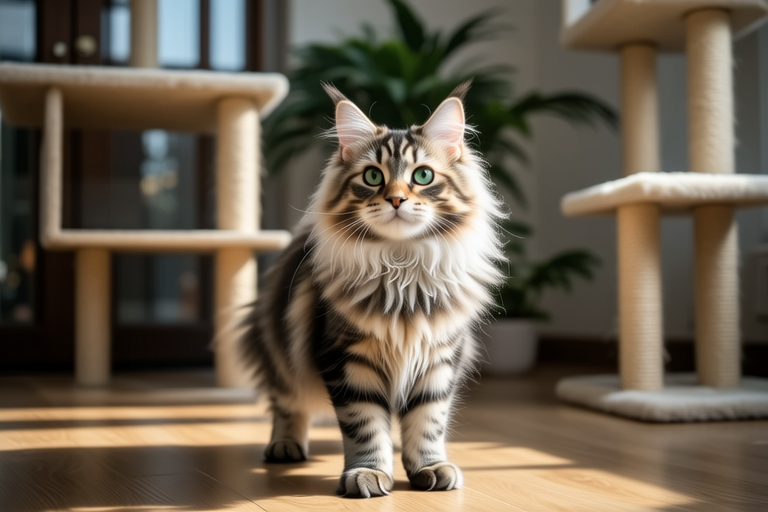
Life with a Maine Coon: A Comprehensive Guide for New Owners
Welcome to the wonderful world of Maine Coons! These large, affectionate cats have captured the hearts of many cat lovers around the world. With their striking appearance, gentle nature, and playful demeanor, they make fantastic companions. This guide will help you understand what it’s like to live with a Maine Coon and provide you with all the information you need to ensure your feline friend leads a happy, healthy life.
Introduction to Maine Coons
Maine Coons are one of the oldest natural breeds in North America, known for their intelligence and playful personality. They are large, semi-longhaired cats that can grow up to 40 inches long and weigh between 9 to 18 pounds. Their coat is water-resistant, which helps them withstand cold weather. The breed is recognized by various cat registries, including the Cat Fanciers’ Association (CFA).
Physical Characteristics and Grooming Needs
Maine Coons have distinctive physical features such as tufted ears, bushy tails, and large paws. Their coats come in various colors and patterns, but tabby is the most common. Regular grooming is essential to maintain their luxurious fur and prevent matting. Brush them at least twice a week, more frequently during shedding seasons. Pay special attention to their undercoat and behind their ears.
Personality Traits and Interaction with Humans
Maine Coons are known for their friendly and sociable nature. They enjoy being around people and often follow their owners from room to room. They are intelligent and curious, making them easy to train. Despite their large size, they are generally calm and patient, which makes them great companions for families with children. However, due to their playful nature, they may not always appreciate rough handling.
Dietary Requirements and Feeding Tips
Feed your Maine Coon a high-quality diet rich in protein and low in carbohydrates. Choose food that matches their age, activity level, and any specific health conditions. Avoid overfeeding to prevent obesity, which can lead to health problems. Provide fresh water at all times and consider interactive feeders to stimulate their hunting instincts and mental engagement.
Exercise and Playtime Suggestions
While Maine Coons are relatively inactive compared to other breeds, they still require regular exercise to maintain a healthy weight. Encourage play sessions with toys that mimic prey, such as feather wands or laser pointers. Interactive play can also strengthen the bond between you and your cat. Consider providing scratching posts and climbing trees to satisfy their natural instincts.
Health Concerns and Preventive Care
Regular veterinary check-ups are crucial for early detection of potential health issues. Maine Coons are prone to certain genetic disorders, including hypertrophic cardiomyopathy (HCM) and hip dysplasia. Discuss screening tests with your veterinarian to monitor your cat’s health. Maintain a consistent vaccination schedule and keep up with flea and tick prevention. Dental hygiene is also important; brush your cat’s teeth regularly and provide dental treats.
Living Environment Setup
Create a comfortable living space for your Maine Coon with cozy bedding, scratching posts, and elevated perches. Ensure that the area is safe and free from hazards. Provide access to windows so your cat can enjoy views of the outdoors. If you have multiple cats, consider providing separate spaces to reduce competition and stress.
Training Techniques
Positive reinforcement is key when training your Maine Coon. Use treats, praise, and petting to reward good behavior. Start with simple commands like “come” and “sit.” Consistency is vital for effective training. Be patient and avoid punishment, as it can damage the trust between you and your cat.
Common Behavioral Issues and Solutions
Like any pet, Maine Coons may exhibit some behavioral issues. For example, excessive meowing could indicate boredom or a need for attention. Redirect their energy through play or mental stimulation. Scratching furniture can be managed by providing appropriate scratching surfaces. Address any behavioral concerns early to prevent them from becoming ingrained habits.
Advice on Integrating a Maine Coon into a Family with Other Pets or Children
Maine Coons tend to get along well with other animals, including dogs and cats. Introduce new pets gradually and supervise interactions initially. Teach children how to handle cats gently and respect their personal space. Maine Coons are generally tolerant of children, but it’s essential to supervise playtime to ensure both the child and the cat remain safe and comfortable.
Living with a Maine Coon is a rewarding experience filled with love, companionship, and fun. By understanding their unique needs and providing proper care, you can ensure that your Maine Coon lives a long, healthy, and happy life. Enjoy the journey of building a strong bond with your feline friend.