
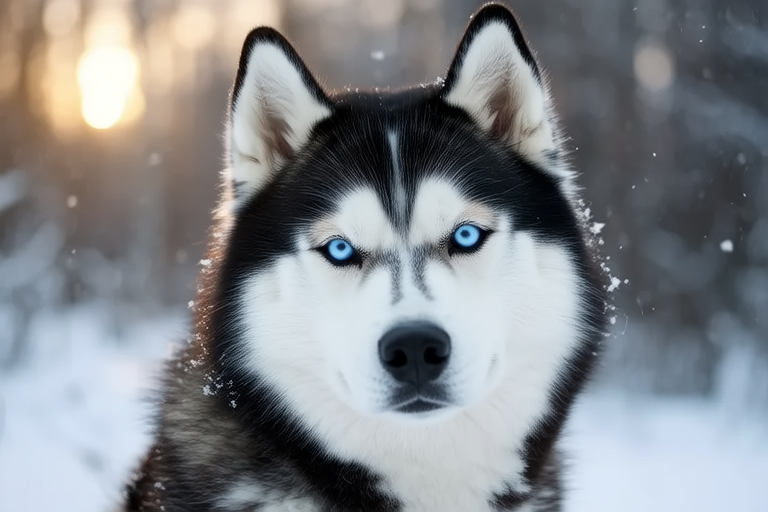
The Mysterious Beauty of Siberian Huskies
Siberian Huskies have long captured the hearts and imaginations of people around the world with their striking appearance and storied past. These dogs are not only beautiful but also incredibly resilient and hardworking. In this article, we will explore the origins, physical characteristics, and behavioral traits of Siberian Huskies, separating fact from fiction and providing valuable insights for potential owners.
Origins and History
The Siberian Husky originates from the Chukchi people of Northeastern Asia, specifically in the region of Siberia. For centuries, these dogs have been used as working sled dogs, pulling heavy loads over vast distances in harsh conditions. The Chukchi people relied on them not just for transportation but also for companionship. Their endurance and strength made them invaluable in the challenging environment of Siberia.
One of the most famous Siberian Huskies is Balto, who led his team on a life-saving mission in 1925 to deliver diphtheria serum to Nome, Alaska. This event brought international attention to the breed and solidified their reputation as capable and reliable sled dogs.
Physical Characteristics
Siberian Huskies are known for their striking appearance. They have a thick double coat that protects them from extreme cold. The outer coat is coarse, while the undercoat is soft and dense. Their fur can come in a variety of colors, including black and white, gray and white, copper red, and pure white. One of the most distinctive features of Siberian Huskies is their eyes, which can be blue, brown, or a combination of both. Some individuals even have one eye of each color, adding to their unique charm.
These dogs are medium-sized, standing between 20 to 24 inches tall at the shoulder and weighing between 35 to 60 pounds. Despite their relatively small size, they are muscular and agile, built for speed and endurance. Their wedge-shaped heads, erect ears, and plumed tails further contribute to their striking appearance.
Behavioral Traits
Siberian Huskies are an intelligent and independent breed. They are known for their friendly and outgoing nature, often getting along well with other animals and humans. However, their independence can sometimes lead to stubbornness, making training a bit challenging. Early socialization and consistent, positive reinforcement-based training methods are essential for raising a well-behaved Siberian Husky.
Despite their friendly demeanor, Siberian Huskies are not always considered the most loyal dogs. Unlike some breeds that form strong bonds with their owners, Siberian Huskies tend to be more aloof and may not exhibit the same level of attachment. However, this does not mean they lack affection; they simply have a different way of showing it. They are more likely to be independent thinkers and may not always follow commands without question.
Misconceptions About Siberian Huskies
There are several misconceptions surrounding Siberian Huskies. One of the most common is that they are low-energy dogs. In reality, Siberian Huskies are highly energetic and require plenty of exercise to stay healthy and happy. Without adequate physical activity, they may become bored and destructive. It’s important to provide them with opportunities for running and playing, such as daily walks, runs, or access to a securely fenced yard where they can roam freely.
Another misconception is that Siberian Huskies are easy to train. While they are intelligent, their independent nature can make them challenging to train. Consistency and patience are key when teaching a Siberian Husky new commands and behaviors. Positive reinforcement techniques, such as treats and praise, are generally more effective than punishment-based methods.
Tips for Potential Owners
If you’re considering bringing a Siberian Husky into your home, there are several things to keep in mind. First and foremost, ensure you have the time and resources to provide them with the exercise and mental stimulation they need. A Siberian Husky is not a good choice for someone living in a small apartment or for those who cannot commit to regular outdoor activities.
Secondly, Siberian Huskies are known for their strong prey drive. If you live in an area with small animals, such as cats or rabbits, it’s important to take precautions to prevent any unwanted incidents. Supervision and proper training can help manage this behavior.
Lastly, Siberian Huskies are escape artists. Their strong desire to run and explore can lead them to find creative ways to get out of enclosed areas. Make sure your fence is secure and consider microchipping your dog for added peace of mind.
Importance of Proper Care and Training
Proper care and training are crucial for ensuring the health and happiness of a Siberian Husky. Regular grooming is necessary to maintain their coat and prevent matting. Brushing them weekly, especially during shedding season, will help keep their fur in good condition. Additionally, regular veterinary check-ups and vaccinations are essential for preventing illness and maintaining overall health.
Training is equally important. A well-trained Siberian Husky is more likely to behave appropriately and respond to commands. Start training early and be patient. Use positive reinforcement to encourage desired behaviors and avoid punishment, which can lead to fear and aggression.
Conclusion
Siberian Huskies are truly remarkable dogs with a rich history and unique qualities. From their origins as working sled dogs in Siberia to their striking appearance and independent nature, these dogs have much to offer. By understanding their needs and providing proper care and training, you can enjoy a rewarding relationship with a Siberian Husky. Whether you’re a seasoned dog owner or new to the experience, taking the time to learn about this breed will help you make informed decisions and provide the best possible life for your furry companion.