
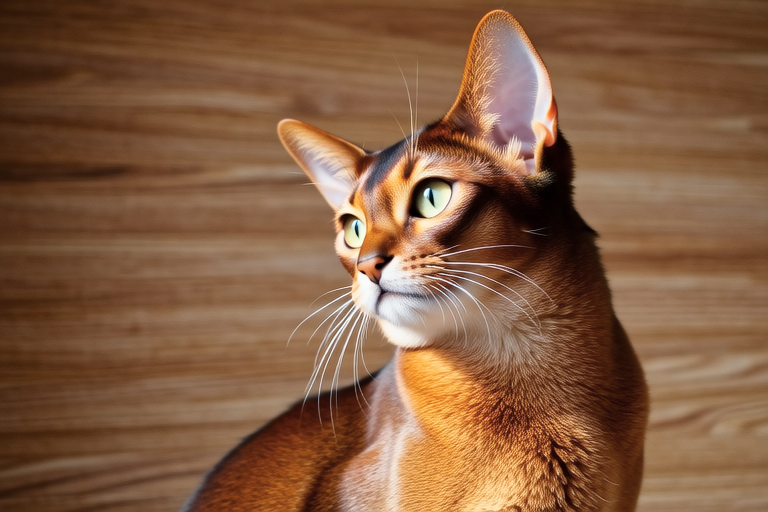
How the Unique Coat of an Abyssinian Cat Sets It Apart
The Abyssinian cat is a breed known for its striking beauty and playful nature. One of the most distinguishing features of this breed is its unique coat, which sets it apart from other feline varieties. This article delves into the details of the Abyssinian’s coat, exploring its ticked pattern, genetic origins, and how it contributes to the breed’s overall appearance. We’ll also compare the Abyssinian coat with those of other breeds, discuss the necessary care, and touch upon health considerations. Finally, we will examine the impact of this coat on the breed’s popularity and charm.
The Distinctive Ticked Coat Pattern
The Abyssinian cat is renowned for its distinctive ticked coat pattern, which gives the fur a mottled or agouti look. Each hair is banded with alternating light and dark colors, creating a rich, textured appearance. This pattern is particularly noticeable in sunlight, where the contrasting bands seem to shimmer, giving the cat an almost iridescent quality.
The ticked coat pattern is not just aesthetically pleasing; it serves a practical purpose as well. The pattern helps the cat blend into its surroundings, making it a master of camouflage. In the wild, such a coat would have been advantageous for hunting and avoiding predators.
Genetic Origins of the Ticked Coat
The genetic basis for the Abyssinian’s ticked coat lies in a specific gene mutation that affects the pigmentation of the fur. This mutation is believed to have originated in the region of Abyssinia (now Ethiopia), where the breed gets its name. The gene responsible for the ticked pattern is dominant, meaning that if a cat inherits even one copy of the gene, it will exhibit the ticked coat.
Research suggests that the Abyssinian’s coat pattern may have evolved from ancient cats brought to the region by traders and sailors. These cats likely interbred with local felines, introducing the ticked gene into the population. Over time, selective breeding has refined this characteristic, leading to the distinct Abyssinian we know today.
Contribution to the Breed’s Appearance
The ticked coat plays a crucial role in defining the Abyssinian’s appearance. It contributes to the breed’s elegant and regal look, enhancing its natural grace and agility. The coat’s texture and coloration also give the Abyssinian a wild, untamed appearance, despite its domesticated status.
In contrast to many other cat breeds, the Abyssinian’s coat lacks the plushness of long-haired breeds like Persians or the uniform coloration of Siamese cats. Instead, the ticked pattern adds a layer of complexity to its coat, making each individual hair a work of art. This unique feature makes the Abyssinian stand out in any crowd.
Comparisons with Other Cat Breeds
When compared to other cat breeds, the Abyssinian’s coat is truly one-of-a-kind. Unlike the solid-colored coats of breeds such as the American Shorthair or the British Shorthair, the Abyssinian’s ticked pattern offers a dynamic, ever-changing appearance. Even in stillness, the Abyssinian’s coat seems to move, with the light catching the bands of color and highlighting the intricate patterns.
In comparison to long-haired breeds, the Abyssinian’s short, dense coat is easier to maintain. While long-haired cats require frequent grooming to prevent matting and tangling, the Abyssinian’s coat remains sleek and smooth with minimal effort. However, this doesn’t mean the Abyssinian is low-maintenance; proper care is still essential to keep the coat healthy and vibrant.
Care Required for Maintaining the Special Coat
Maintaining the Abyssinian’s ticked coat requires regular attention and care. Weekly brushing is recommended to remove loose hairs and distribute natural oils throughout the coat. This not only keeps the coat looking its best but also helps reduce shedding, making the Abyssinian a relatively hypoallergenic option for cat lovers.
Bathing should be kept to a minimum, as over-bathing can strip the coat of its natural oils, leading to dryness and dullness. If bathing is necessary, use a gentle, pH-balanced shampoo specifically formulated for cats. After washing, thoroughly dry the Abyssinian to prevent skin irritation.
Diet also plays a significant role in maintaining the coat’s health. A balanced diet rich in proteins, vitamins, and minerals supports healthy skin and fur. Omega-3 fatty acids, found in fish oil supplements or certain foods, can help keep the coat shiny and soft.
Health Considerations Related to the Coat
While the Abyssinian’s coat is generally healthy, there are some health considerations to be aware of. One common issue is sunburn, as the lighter bands of color on the coat offer less protection from UV rays. To prevent sunburn, limit outdoor exposure during peak sunlight hours and consider applying pet-safe sunscreen to areas with sparse fur.
Another potential concern is alopecia, a condition characterized by patches of hair loss. Although alopecia can occur in any breed, it is more commonly seen in Abyssinians due to their unique coat structure. Regular grooming can help identify early signs of alopecia, allowing for prompt treatment.
The Impact on Popularity and Charm
The Abyssinian’s unique coat has played a significant role in its popularity among cat enthusiasts. The breed’s striking appearance and playful personality have made it a favorite in homes and show rings alike. The ticked coat adds an air of mystery and elegance to the breed, captivating viewers with its shimmering beauty.
The Abyssinian’s charm extends beyond its physical appearance. Its intelligence and curiosity make it a delightful companion, always ready for a new adventure. The breed’s active nature and strong bond with humans further enhance its appeal, making it a beloved choice for families and individuals seeking an engaging pet.
In conclusion, the Abyssinian’s ticked coat is a defining feature that sets it apart from other cat breeds. From its genetic origins to its contribution to the breed’s appearance, the coat is a testament to the beauty and diversity of feline genetics. With proper care and attention, the Abyssinian’s coat remains a source of pride and admiration, ensuring the breed’s continued popularity and charm.