
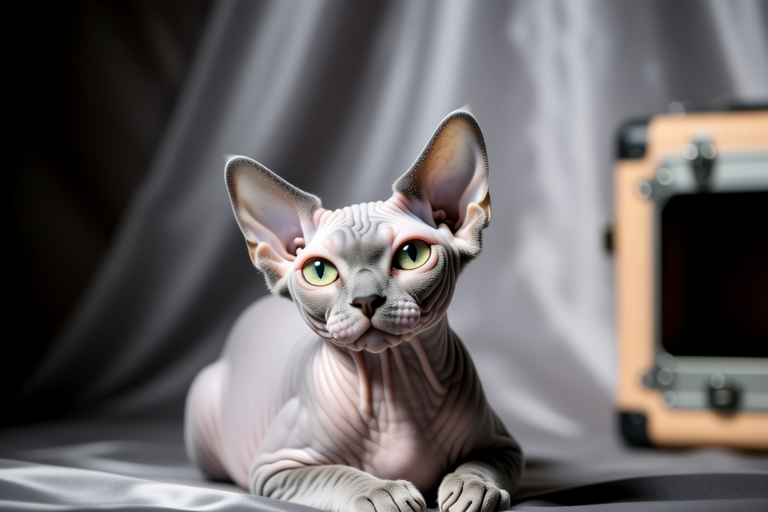
Unraveling the Mystery Behind the Unique Coat of Devon Rex Cats
The world of felines is vast and diverse, with each breed boasting its own unique characteristics. Among these, the Devon Rex stands out for its striking appearance, particularly its curly coat. This article delves into the distinctive features of the Devon Rex’s coat, the genetic underpinnings that make it so special, and how it compares to other curly-coated cat breeds. We will also explore the history of the breed, care tips for maintaining this special coat, and recent developments in cat genetics that may shape the future of Devon Rex cats.
A Distinctive Appearance: The Curly Coat of Devon Rex Cats
Devon Rex cats are instantly recognizable due to their wavy, fine, and short fur. Their coats are often described as resembling a pixie cut or a lion’s mane, with distinct waves and curls. Unlike many other cat breeds, their fur lacks an undercoat, which contributes to the unique texture and appearance. The lack of an undercoat means that Devon Rex cats shed less than most other breeds, making them a popular choice for allergy sufferers.
Genetic Factors Behind the Unique Fur
The curly coat of Devon Rex cats is the result of a genetic mutation. This mutation affects the keratin structure of the hair, leading to the formation of waves and curls. A study published in the Journal of Heredity explored the genetic basis of curly coats in cats and found that the Devon Rex’s unique coat is caused by a dominant gene, known as the rex gene (Rex). This gene disrupts the normal keratinization process, leading to the formation of waves and curls in the fur.
Interestingly, while the rex gene is dominant, it can be lethal when homozygous (i.e., when a cat inherits two copies of the gene). As a result, Devon Rex cats are always heterozygous for the rex gene, inheriting one copy from each parent. This genetic quirk adds a layer of complexity to breeding programs, as breeders must carefully manage matings to avoid producing homozygous kittens.
History of the Breed: From Mutation to Popular Pet
The history of the Devon Rex breed dates back to the mid-20th century. The first Devon Rex was discovered in 1960 by Beryl Cox, a British breeder, in a field near Buckfastleigh, Devon. The cat, named Kirlee, had an unusual curly coat and became the foundation of the breed. Kirlee’s offspring were bred with American Shorthair and Cornish Rex cats to establish the breed’s unique traits.
Since their discovery, Devon Rex cats have become beloved pets worldwide. Their playful and affectionate nature complements their distinctive appearance, making them a popular choice among cat enthusiasts. The breed’s curly coat has been a defining characteristic since its inception, and efforts have been made to preserve and enhance this trait through selective breeding.
Comparisons with Other Curly-Coated Cat Breeds
While several cat breeds have curly coats, each breed’s coat is unique in texture and appearance. The Devon Rex’s coat is finer and shorter compared to the longer, looser curls of the Cornish Rex. Another notable difference is that the Cornish Rex has no guard hairs, resulting in a softer, more velvety feel. In contrast, the Devon Rex retains some guard hairs, giving their coat a slightly coarser texture.
The LaPerm, another curly-coated breed, has a distinctly different coat structure. LaPerms have a range of coat lengths and textures, from tight ringlets to loose waves. Their coat is generally thicker and more plush than that of the Devon Rex, offering a different tactile experience. Despite these differences, all curly-coated breeds share the same underlying genetic mutation that causes the formation of waves and curls in the fur.
Care Tips for Maintaining the Devon Rex Coat
Maintaining the health and appearance of a Devon Rex’s coat requires regular grooming and attention to diet. Despite their low-shedding nature, Devon Rex cats still require occasional brushing to prevent matting and to distribute natural oils throughout the coat. Using a soft-bristled brush or a rubber grooming glove can help maintain the coat’s condition without causing damage.
Diet plays a crucial role in the health of a Devon Rex’s coat. A balanced diet rich in essential fatty acids, such as omega-3 and omega-6, promotes healthy skin and fur. Many commercial cat foods now include these nutrients, but supplements may be necessary if your cat’s diet is lacking. Regular visits to the veterinarian for check-ups and screenings can also help ensure that your Devon Rex remains healthy and vibrant.
Owners of Devon Rex cats may face some challenges related to their coat. For instance, the lack of an undercoat can make Devon Rex cats more susceptible to sunburn and cold temperatures. Providing adequate shelter and protection from extreme weather conditions is essential for their well-being. Additionally, Devon Rex cats are prone to certain health issues, such as patellar luxation and hereditary myopathy, which may affect their quality of life. Regular veterinary care can help manage these conditions and improve the overall health of Devon Rex cats.
Latest Trends and Research in Cat Genetics
The field of cat genetics is rapidly evolving, with new discoveries being made regularly. One area of particular interest is the development of genetic tests for specific traits, such as coat color and texture. These tests can provide valuable information to breeders, allowing them to make more informed decisions about mating pairs and litter outcomes.
Recent advancements in gene editing technology, such as CRISPR-Cas9, hold promise for the future of cat breeding. While ethical considerations and regulatory hurdles remain, these tools could potentially allow for precise manipulation of genetic traits, including the rex gene responsible for the Devon Rex’s curly coat. Such advancements could lead to improved health outcomes and more consistent expression of desirable traits in future generations of Devon Rex cats.
In conclusion, the Devon Rex’s unique coat is a testament to the wonders of genetics and the diversity of the feline world. From its origins as a genetic mutation to its current status as a beloved pet, the Devon Rex continues to captivate and inspire. By understanding the genetic factors behind its coat and taking proper care of these special cats, we can ensure that future generations of Devon Rex cats continue to thrive and bring joy to their human companions.