
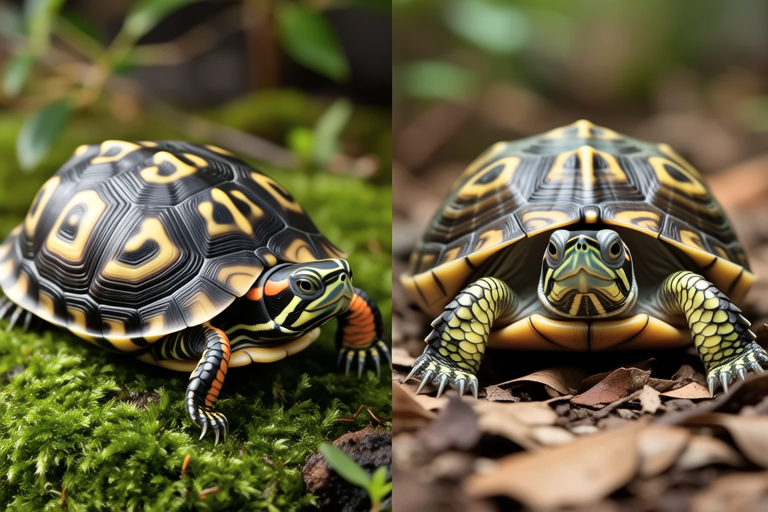
From Hatchling to Adult: Journey Through the Life Stages of a Three-Striped Box Turtle
The three-striped box turtle (Chrysemys tricarinata) is a fascinating species native to parts of North America. Known for its distinctive three yellow stripes running along each side of its dark brown or black shell, this turtle is a popular choice among reptile enthusiasts. Unlike many other turtle species, the three-striped box turtle exhibits remarkable adaptability, thriving in diverse habitats ranging from forests to grasslands. Its unique coloration and charming demeanor make it a beloved subject in both scientific research and pet keeping circles.
Hatchling Stage: A New Beginning
The journey of a three-striped box turtle begins with its emergence from the egg. Hatchlings are miniature versions of their adult counterparts, measuring around 3.8 to 4.8 cm in length at birth. Their shells are soft and pliable, providing them with some flexibility during their initial stages of life. This softness also serves as a protective mechanism against predators, who may find it easier to consume younger turtles.
Diet plays a crucial role in the development of hatchlings. They primarily feed on insects, worms, and small pieces of fruit. These foods provide essential nutrients necessary for growth and development. It’s important to offer a varied diet to ensure that they receive all the vitamins and minerals needed for healthy growth. Additionally, providing shallow water for soaking helps maintain hydration levels and supports overall health.
Care requirements for hatchlings are quite specific. They require a warm, humid environment with temperatures between 75°F and 85°F (24°C and 29°C). UVB lighting is essential for calcium absorption and proper bone development. Regular cleaning of their enclosure is vital to prevent bacterial infections. Providing hiding spots within the enclosure can also reduce stress and promote natural behaviors.
Juvenile Stage: Growth and Adaptation
As juveniles, three-striped box turtles enter a phase of rapid growth. By the age of two years, they typically reach lengths of about 7 to 10 cm. During this period, their shells harden, offering better protection against predators. Juveniles also develop more pronounced stripes, which serve as camouflage in their natural habitat.
Behavioral changes become noticeable during the juvenile stage. Younger turtles tend to be more active and curious, exploring their surroundings thoroughly. They may spend more time basking under sunlight to regulate body temperature and aid digestion. Social interactions with other turtles can influence behavior, encouraging exploration and play.
The environmental needs of juveniles shift slightly compared to hatchlings. They still require warmth but can tolerate cooler temperatures better. The enclosure should include areas for swimming, basking, and hiding. Juveniles benefit from increased space to accommodate their growing bodies. Ensuring access to clean water for drinking and soaking remains critical for their well-being.
Adult Stage: Maturity and Stability
Upon reaching adulthood, three-striped box turtles achieve their full-grown dimensions, typically ranging from 12 to 15 cm in length. Their shells become robust and deeply grooved, indicative of maturity. Adults display distinct patterns and colors, making identification easier. Their robust build ensures survival in various environments.
Dietary preferences change as adults. While they still enjoy insects and fruits, their diet expands to include leafy greens, vegetables, and occasional protein sources like fish or lean meats. Calcium supplementation becomes less critical due to improved shell strength. Maintaining a balanced diet supports long-term health and vitality.
Longevity is one of the most intriguing aspects of adult three-striped box turtles. With proper care, they can live up to 30 years or more. Their ability to survive harsh conditions contributes to their longevity. In captivity, providing a stimulating environment with regular exercise and mental stimulation can extend their lifespan.
Challenges in the Wild and Responsible Ownership
In the wild, three-striped box turtles face numerous challenges. Habitat loss due to urbanization and agricultural expansion poses significant threats. Pollution and climate change further exacerbate these issues, affecting food availability and nesting sites. Predation by larger animals remains a constant danger, especially for younger turtles.
For those considering keeping three-striped box turtles as pets, responsible ownership is paramount. Creating a suitable habitat that mimics their natural environment is essential. This includes providing ample space, appropriate lighting, and a balanced diet. Regular veterinary check-ups help monitor health and address any potential issues early. Educating oneself about the species’ specific needs ensures a fulfilling experience for both the owner and the turtle.
In conclusion, the journey from hatchling to adult of a three-striped box turtle is a testament to nature’s resilience and adaptability. Understanding each life stage allows enthusiasts to appreciate these remarkable creatures fully. Whether in the wild or as cherished pets, three-striped box turtles continue to captivate and inspire admiration.