
Tortoise Talk: Unraveling the Mysteries of the Captivating Three-Striped Box Turtle
The world of reptiles is vast and diverse, with each species offering a unique glimpse into nature’s intricate design. Among these fascinating creatures, the three-striped box turtle (Terrapene carolina triunguis) stands out with its distinctive appearance and intriguing behaviors. This article delves into the captivating world of the three-striped box turtle, exploring its unique characteristics, habitat, diet, lifespan, behavior, and much more.
Unique Characteristics and Habitat
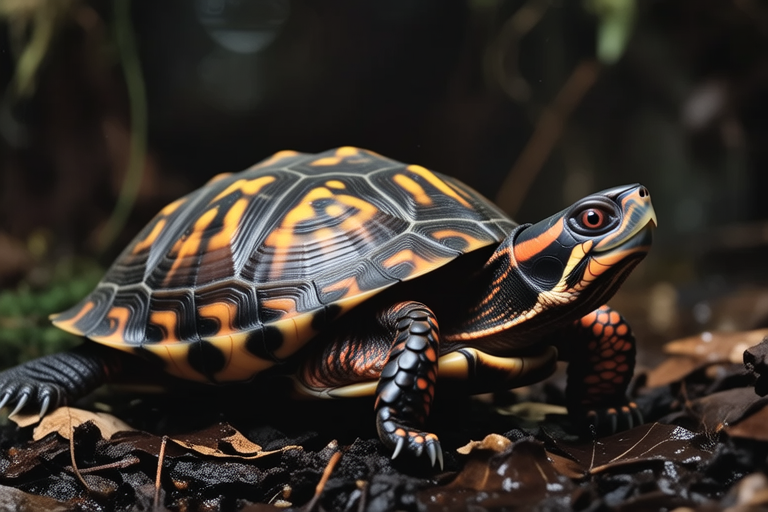
The three-striped box turtle is easily identifiable by its high-domed shell, which features three prominent yellow stripes along each side. These markings serve as camouflage in their natural environment, blending with the dappled sunlight filtering through the forest canopy. The turtle’s plastron, or underside, is hinged, allowing it to close its shell completely, providing protection from predators. Native to the southeastern United States, this species thrives in moist, deciduous forests and woodlands, where they can find abundant vegetation and water sources.
Diet, Lifespan, and Behavior
Three-striped box turtles are omnivorous, meaning they consume both plant and animal matter. Their diet includes fruits, berries, insects, worms, and even carrion. Juveniles tend to be more carnivorous, while adults lean towards a more herbivorous diet. This varied diet supports their growth and overall health, contributing to their impressive longevity. In the wild, these turtles can live up to 30 years, but under optimal conditions in captivity, some have been known to reach over 50 years of age.
Behaviorally, three-striped box turtles are solitary animals, spending most of their time foraging for food and basking in the sun to regulate their body temperature. They are crepuscular, meaning they are most active during dawn and dusk, when temperatures are cooler and predators less likely to be around. During colder months, these turtles enter brumation, a period similar to hibernation, where they become less active and reduce their metabolic rate to conserve energy.
Common Misconceptions
Despite their popularity as pets, there are several misconceptions surrounding three-striped box turtles. One common myth is that they require little care and attention. While these turtles are hardy, they still need proper housing, diet, and veterinary care to thrive. Another misconception is that they are easy to breed in captivity. In reality, breeding these turtles requires specific environmental conditions and can be quite challenging.
Care Requirements for Pet Owners
For those considering a three-striped box turtle as a pet, it’s crucial to understand their care requirements. A spacious outdoor enclosure with ample vegetation, hiding spots, and access to shallow water is ideal. Indoor habitats should mimic their natural environment as closely as possible, with a heat lamp for basking and a UVB light to support calcium absorption. Regular feeding with a balanced diet, including fresh fruits, vegetables, and protein sources, is essential for their health.
Recent Studies and Findings
Recent studies have shed light on various aspects of three-striped box turtle health and conservation. Research has shown that exposure to certain pollutants, such as pesticides and heavy metals, can negatively impact their reproductive success and overall health. Conservation efforts are underway to protect their natural habitats and mitigate these threats. Additionally, ongoing studies explore their adaptive behaviors, such as their ability to navigate complex terrains and locate food sources efficiently.
Responsible Ownership and Appreciation
When adopting a three-striped box turtle, it’s important to ensure you’re prepared for the long-term commitment involved. Providing a stimulating and enriching environment, regular veterinary check-ups, and a nutritious diet will contribute to your turtle’s well-being. By understanding and respecting their needs, you can help ensure these remarkable creatures lead healthy, fulfilling lives.
Appreciating the role of three-striped box turtles in the ecosystem is equally important. As part of the food chain, they play a vital role in maintaining ecological balance. Their presence in forests helps control insect populations and contributes to seed dispersal, supporting the growth of new plants. By fostering awareness and respect for these turtles, we can promote their conservation and ensure their continued existence in the wild.
In conclusion, the three-striped box turtle is a captivating species with unique characteristics, behaviors, and adaptations that make it a fascinating subject for study and admiration. Whether you’re a seasoned reptile enthusiast or a newcomer to the world of turtles, there’s always something new to learn about these remarkable creatures. By promoting responsible ownership and conservation efforts, we can help ensure the survival of the three-striped box turtle for generations to come.