
Top 10 Fascinating Facts About the Rare and Charming Three-Striped Box Turtle
The three-striped box turtle (Amblyonyx tripunctatus) is a captivating reptile that has captured the hearts of many nature enthusiasts. Native to parts of Southeast Asia, this small yet resilient creature boasts several unique features that make it stand out among other turtle species. From its striking appearance to its intriguing behaviors, there’s much to learn about this rare and charming animal. In this article, we will explore ten fascinating facts about the three-striped box turtle, delving into its physical characteristics, habitat, diet, behavior, and conservation efforts.
1. Distinctive Appearance
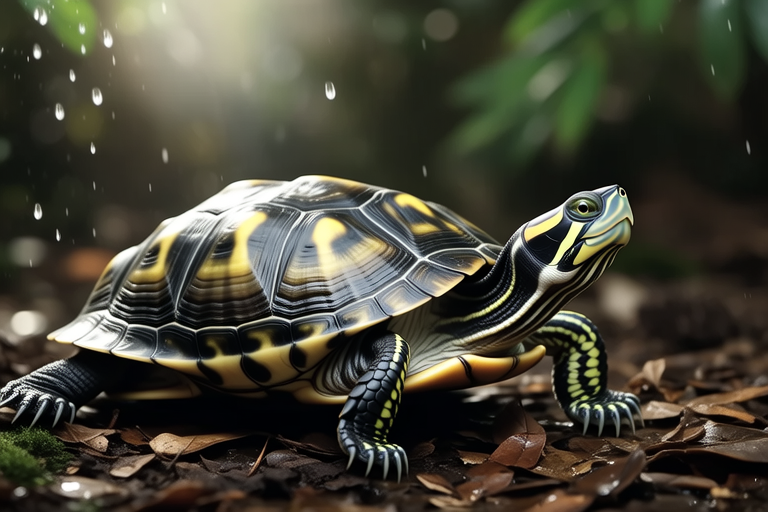
One of the most noticeable features of the three-striped box turtle is its distinctive shell, which is marked by three prominent stripes running along its carapace (upper shell). These stripes can vary in color from yellowish to reddish-orange, providing excellent camouflage against leaf litter and fallen branches in their natural habitats. The plastron (lower shell) is hinged, allowing the turtle to completely close itself inside its shell when threatened, offering protection from predators. Additionally, these turtles have dark brown or black skin with bright red eyes, adding to their overall charm.
2. Habitat and Distribution
Native to Southeast Asia, specifically Thailand, Cambodia, Vietnam, Laos, and southern China, the three-striped box turtle prefers humid, forested areas such as lowland evergreen forests, bamboo thickets, and marshy regions near streams. They are often found in dense vegetation where they can hide from potential threats. Due to habitat loss caused by deforestation and urbanization, these turtles face significant challenges in maintaining their populations within their native ranges.
3. Omnivorous Diet
The three-striped box turtle is an omnivore, meaning it consumes both plant matter and animal protein. Their diet typically consists of fruits, berries, leaves, insects, worms, and small vertebrates like frogs and lizards. Juvenile turtles tend to eat more animal-based foods compared to adults, who favor a more herbivorous diet. This varied diet allows them to thrive in diverse environments and adapt to changing food sources throughout different seasons.
4. Solitary and Territorial Nature
Unlike some social species of turtles, the three-striped box turtle leads a solitary life, rarely interacting with others except during mating season. Males may become aggressive towards each other over territory or females, but generally, they prefer to keep to themselves. Females lay eggs in shallow nests dug into soft soil or leaf litter, usually laying between one and six eggs at a time. Hatchlings emerge after approximately two months, ready to begin their independent lives.
5. Longevity and Growth
Three-striped box turtles have relatively long lifespans, with individuals living up to 20 years in the wild. However, captive specimens have been known to live even longer under optimal conditions. These turtles grow slowly, reaching full size after about five years. A fully grown adult measures around 8 inches in length, making them one of the smaller species of box turtles.
6. Hibernation Behavior
In colder climates, three-striped box turtles enter a state of dormancy called brumation, similar to hibernation but not as deep. During this period, they slow down their metabolism and remain inactive, often seeking shelter in burrows or under logs. As temperatures rise in spring, they emerge from their resting places, ready to resume normal activities.
7. Adaptations for Survival
The three-striped box turtle possesses several adaptations that help it survive in its environment. Its ability to close itself tightly within its shell provides protection against predators, while its keen sense of smell helps locate food sources even in dense foliage. Additionally, these turtles can remain submerged underwater for extended periods, using their lungs to breathe air when necessary.
8. Threats to Survival
Despite their remarkable adaptations, three-striped box turtles face numerous threats that jeopardize their survival. Habitat destruction due to deforestation and agricultural expansion continues to reduce available space for these animals. Moreover, illegal wildlife trade poses another significant danger, as collectors seek out these attractive creatures for pet markets. Climate change also affects rainfall patterns and temperature fluctuations, potentially disrupting breeding cycles and altering habitats.
9. Conservation Efforts
To combat these challenges, various organizations and initiatives focus on protecting three-striped box turtles and their ecosystems. Wildlife sanctuaries provide safe havens for displaced or injured animals, while community education programs raise awareness about responsible pet ownership and the importance of preserving natural habitats. Research projects aim to understand population dynamics better and develop effective conservation strategies tailored to specific regions.
10. Cultural Significance
Throughout Southeast Asia, the three-striped box turtle holds cultural significance, appearing in folklore, mythology, and traditional medicine practices. In some cultures, these turtles symbolize longevity and good fortune, making them highly valued. However, it’s crucial to approach any cultural uses responsibly, ensuring that conservation efforts are prioritized over exploitation.
Conclusion: A Call to Action
The three-striped box turtle is a remarkable creature with many unique qualities that make it deserving of our attention and protection. By learning more about this species, we can contribute to its preservation through informed actions such as supporting conservation organizations, advocating for stricter regulations on wildlife trade, and promoting sustainable land use practices. Together, we can ensure that future generations will continue to marvel at the beauty and resilience of the three-striped box turtle.