
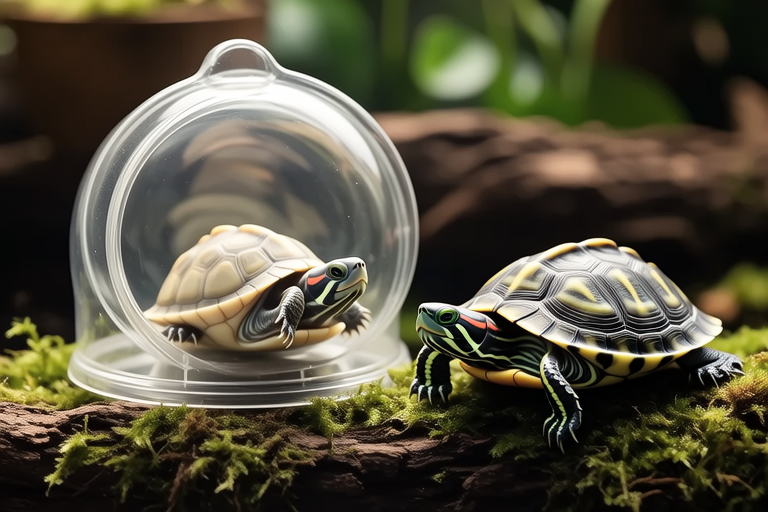
From Egg to Adult: The Journey of a Three-Striped Box Turtle Owner
Welcome to the fascinating world of three-striped box turtles! These charming reptiles are popular pets among turtle enthusiasts. This article will guide you through their journey from egg to adult, covering everything from habitat requirements to common health issues. Whether you’re a novice or an experienced owner, this comprehensive guide will provide valuable insights into the care and well-being of these delightful creatures.
The Habitat of a Three-Striped Box Turtle
Creating the right environment for your three-striped box turtle is crucial for its overall health and happiness. These turtles thrive in a semi-aquatic setup that mimics their natural habitat. A spacious enclosure with ample land and water areas is ideal. The land area should be covered with a substrate like coconut fiber or cypress mulch, which helps maintain humidity levels and provides a comfortable surface for digging.
Water should be clean and shallow enough for the turtle to easily enter and exit. It’s essential to ensure the water is filtered and changed regularly to prevent bacterial growth. Additionally, providing hiding spots and climbing structures can enrich the turtle’s environment and stimulate natural behaviors.
Temperature and lighting are also vital components of the habitat. Maintain a basking spot with a temperature range of 85-90°F (29-32°C) and a cooler area around 75°F (24°C). UVB lighting is necessary for calcium absorption and overall health. Ensure the UVB bulbs are positioned correctly and replaced every six months to maintain optimal output.
Dietary Needs of Three-Striped Box Turtles
Three-striped box turtles are omnivores, meaning they eat both plant matter and animal protein. Their diet should be balanced to meet all nutritional requirements. In the wild, their diet consists of insects, worms, fruits, vegetables, and occasional carrion. As pets, their diet should include a variety of foods to ensure a diverse intake of nutrients.
Insects such as crickets, mealworms, and waxworms can be offered as a source of protein. Vegetables like leafy greens, carrots, and squash provide essential vitamins and minerals. Fruits like berries and melons can be given sparingly due to their high sugar content. Commercial turtle pellets can also be included but should not form the sole part of their diet.
Supplements are necessary to ensure proper nutrition. Calcium and vitamin D3 supplements should be dusted onto food weekly to support bone health. Gut-loading feeder insects before offering them to your turtle can enhance their nutritional value. Feeding schedules vary depending on the age of the turtle. Younger turtles require more frequent meals, while adults can be fed every other day.
Growth Stages from Egg to Adult
The life cycle of a three-striped box turtle begins with the egg. Incubation periods typically last between 60 to 90 days, depending on temperature and humidity conditions. Once hatched, baby turtles, known as hatchlings, are tiny and vulnerable. They should be kept in a humid environment with shallow water and a heat source to maintain body temperature.
Hatchlings grow rapidly during their first few years. Juvenile turtles will reach about 4-5 inches in length by the time they are two years old. At this stage, they require more space and a varied diet to support their growth. By the age of five, they reach adulthood, with males typically growing slightly larger than females. Adult turtles can live up to 40 years with proper care.
Monitoring growth and development is important for ensuring healthy progress. Regular weigh-ins and measurements can help identify any potential issues early on. Providing a stimulating environment and a nutritious diet will contribute to their overall well-being and longevity.
Common Health Issues in Three-Striped Box Turtles
Like any pet, three-striped box turtles are susceptible to various health issues. Respiratory infections, shell rot, and metabolic bone disease are some of the most common problems faced by these turtles.
Respiratory infections often manifest as nasal discharge, labored breathing, or lethargy. Maintaining proper humidity levels and avoiding drafts can help prevent these infections. Shell rot, characterized by soft spots or lesions on the shell, is usually caused by poor hygiene or injuries. Regular cleaning of the enclosure and prompt treatment of wounds can mitigate this risk.
Metabolic bone disease results from calcium deficiency and can lead to weak bones and deformities. Ensuring adequate calcium intake through diet and supplementation is crucial for preventing this condition. Other issues include parasites, eye infections, and digestive problems. Regular veterinary check-ups and proactive care can help address these concerns before they become severe.
Care Tips for Three-Striped Box Turtles
Proper care is essential for the well-being of your three-striped box turtle. Here are some key tips to keep your pet healthy and happy:
- Regular Vet Check-Ups: Schedule annual visits with a reptile veterinarian to monitor health and address any potential issues.
- Environmental Enrichment: Provide toys, hiding spots, and climbing structures to encourage natural behaviors and mental stimulation.
- Hygiene: Clean the enclosure regularly to prevent bacterial growth and maintain a clean living space.
- Handling: Handle your turtle gently and avoid excessive handling, especially during shedding periods.
- Temperature and Humidity: Monitor and adjust environmental conditions to ensure optimal comfort and health.
Important Considerations for Pet Owners
Becoming a responsible owner of a three-striped box turtle involves understanding their unique needs and making informed decisions. Here are some important considerations:
- Commitment: These turtles have long lifespans, so being prepared for a long-term commitment is crucial.
- Legal Requirements: Familiarize yourself with local regulations regarding exotic pets to ensure compliance.
- Compatibility: Consider the compatibility of a turtle with your existing pets and lifestyle.
- Educational Resources: Stay informed about the latest care practices and advancements in turtle husbandry.
In conclusion, owning a three-striped box turtle is a rewarding experience that requires dedication and knowledge. By understanding their habitat, dietary needs, growth stages, and common health issues, you can provide the best possible care for your pet. With proper attention and love, your three-striped box turtle will thrive and bring joy to your home for many years to come.