
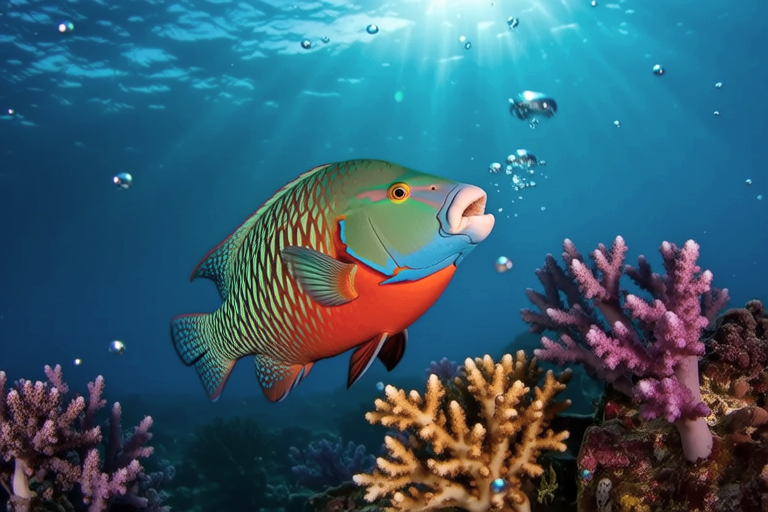
Parrot Fish in Focus: Nature’s Artists Crafting Coral Wonders
In the vast and intricate tapestry of marine life, few creatures embody the delicate balance of ocean ecosystems as vividly as the parrot fish. These colorful denizens of the coral reefs are more than just beautiful to behold; they play a pivotal role in the health and survival of these underwater habitats. This article delves into the fascinating world of parrot fish, exploring their unique feeding habits, vibrant aesthetics, and indispensable contributions to coral reef biodiversity.
The Vital Role of Parrot Fish in Coral Reef Ecosystems
Coral reefs are among the most diverse and productive ecosystems on Earth, providing shelter and sustenance for countless marine species. Within this complex web of life, parrot fish occupy a critical niche. Their primary diet consists of algae, which they consume through a remarkable process known as grazing. Using their beak-like mouths and strong teeth, parrot fish scrape away at coral surfaces, removing unwanted algae that could otherwise smother and kill the coral polyps beneath.
This seemingly destructive behavior is, in fact, a vital service to the reef. By controlling algal growth, parrot fish help maintain the delicate balance between coral and algae, ensuring that corals receive the sunlight necessary for photosynthesis. Without these diligent grazers, many coral reefs would likely succumb to overgrowth by algae, leading to a decline in biodiversity and ecosystem stability.
Vibrant Colors and Patterns: More Than Just Aesthetics
One cannot discuss parrot fish without marveling at their striking appearance. These fish come in a dazzling array of colors and patterns, ranging from electric blues and greens to fiery oranges and deep purples. The diversity in their coloration is not merely for aesthetic purposes; it plays a significant role in their survival and reproductive success.
The vibrant hues of parrot fish serve multiple functions. Firstly, they act as a form of camouflage, helping them blend into their surroundings and avoid predators. Secondly, these colors are often used during mating rituals, where males display their brightest colors to attract females. Finally, the varied patterns can indicate the health and vitality of individual fish, allowing potential mates to select the fittest partners.
Interestingly, the coloration of parrot fish also reflects their diet and habitat preferences. Fish living in shallow waters, exposed to more sunlight, tend to have brighter colors, while those residing in deeper, darker regions are often more subdued. This adaptation ensures that these fish can thrive in various environments, contributing to their overall adaptability and resilience within coral reef ecosystems.
Symbiotic Relationships: A Dance of Survival
The relationship between parrot fish and coral reefs is a prime example of symbiosis in action. While parrot fish graze on algae, they inadvertently contribute to the health of the corals themselves. As they chew through the algae, they also ingest small fragments of coral. These particles pass through their digestive systems and are excreted as sand, contributing to the formation of beaches and protecting coastlines from erosion.
Moreover, the constant movement of parrot fish across the reef surface helps to aerate the water around the coral polyps, promoting their growth and health. This interaction not only benefits the parrot fish but also enhances the overall biodiversity of the reef, creating a thriving environment for numerous other species.
Parrot fish also play a crucial role in coral reproduction. By keeping algae under control, they ensure that coral larvae have a better chance of settling and growing into healthy colonies. This symbiotic relationship underscores the interconnectedness of marine life and highlights the importance of maintaining balanced ecosystems.
The Threats and Conservation Efforts
Despite their critical role in maintaining coral reef health, parrot fish face numerous threats that endanger their populations and, consequently, the reefs they inhabit. Overfishing, habitat destruction, and climate change pose significant challenges to these vibrant fish. In some regions, parrot fish are heavily targeted for their meat and bright colors, leading to population declines.
To address these issues, various conservation efforts are underway. Marine protected areas (MPAs) have been established in several locations to provide safe havens for parrot fish and other marine species. These protected zones restrict fishing activities, allowing populations to recover and thrive. Additionally, sustainable fishing practices are being promoted to reduce the impact of commercial fishing on parrot fish populations.
Education and awareness campaigns are also crucial in fostering a global understanding of the importance of preserving marine environments. By highlighting the role of parrot fish in coral reef ecosystems, these initiatives aim to encourage responsible behavior and support for conservation efforts.
Conclusion: Preserving the Future of Coral Reefs
The story of parrot fish is one of beauty, resilience, and ecological significance. These nature’s artists, through their unique feeding habits and vibrant appearances, contribute to the health and splendor of coral reefs. Their symbiotic relationships with corals and other marine life underscore the delicate balance of marine ecosystems and the importance of preserving these environments.
As we face the challenges of climate change and human-induced impacts on marine life, it is essential to recognize the vital role of parrot fish and take proactive steps to protect them. By supporting conservation efforts and advocating for sustainable practices, we can ensure the survival of these remarkable creatures and the vibrant ecosystems they call home. Let us strive to safeguard the future of coral reefs, for the sake of parrot fish and all the myriad forms of life they support.