
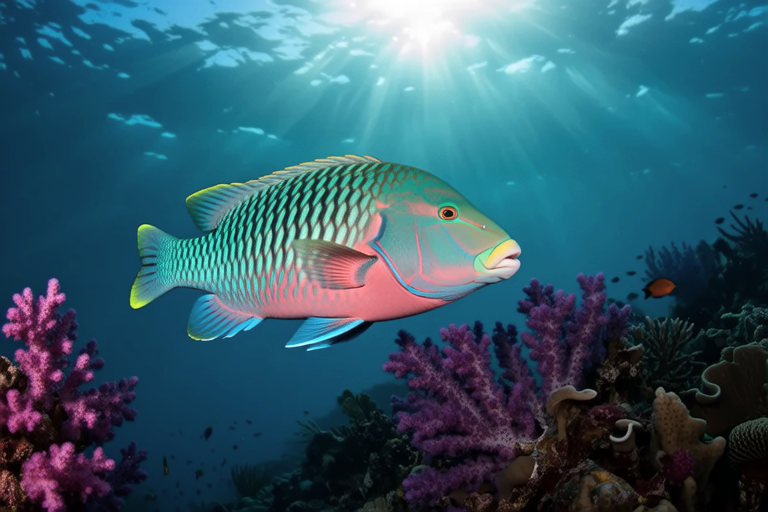
The Top 10 Fascinating Facts About Parrot Fish
Parrotfish are some of the most colorful and captivating creatures that inhabit the world’s tropical and subtropical waters. These vibrant fish are not only visually stunning but also play a crucial role in maintaining the health of coral reefs. This article delves into ten fascinating facts about parrotfish, exploring their unique characteristics, behaviors, and intriguing biology.
1. A Rainbow of Colors
One of the most striking features of parrotfish is their vibrant and diverse coloration. Ranging from electric blues and greens to deep reds and oranges, these fish are nature’s living rainbows. The diversity in their appearance serves several purposes, including camouflage, attracting mates, and warning off potential predators. Some species even exhibit dramatic color changes throughout their lifetime, adapting to different stages of growth or mating seasons.
2. Masters of Transformation: Color and Sex Changes
Parrotfish have an extraordinary ability to change both their color and sex. Many species begin life as females and can later transform into males. This phenomenon, known as sequential hermaphroditism, is particularly common among parrotfish. The transformation process is often accompanied by significant changes in color, making it easier for researchers to identify the gender of individual fish. This unique characteristic adds another layer of complexity to the study of parrotfish ecology.
3. Vital Role in Coral Reef Ecosystems
Parrotfish play a critical role in maintaining the balance of coral reef ecosystems. They feed primarily on algae, which can otherwise smother coral polyps if left unchecked. By grazing on algae, parrotfish help to clear space for new coral growth, contributing to the overall health and resilience of the reef. Their feeding activities also contribute to the creation of sand through the digestion of coral skeletons, indirectly supporting the formation of beaches.
4. Powerful Teeth and Stone Digestion
Parrotfish possess powerful teeth arranged in beak-like structures, allowing them to efficiently scrape algae from rocks and coral surfaces. Their strong jaws and specialized teeth enable them to consume even the toughest algae, contributing significantly to their ecological role. Interestingly, parrotfish can digest coral rock, turning it into fine sand. This digestive process is part of what contributes to the formation of sandy beaches around the world.
5. The Mucus Cocoon: Sleeping Safely
Before retiring for the night, many species of parrotfish produce a mucus cocoon around their bodies. This slimy covering serves as a protective barrier against parasites and predators. The cocoon is thought to mask the scent of the fish, making it harder for nocturnal hunters to locate them. Additionally, the mucus may provide a chemical deterrent, further enhancing the fish’s safety during vulnerable sleep periods.
6. Diverse Diets and Feeding Strategies
While algae forms the bulk of their diet, parrotfish have been observed consuming various other foods, including small invertebrates and detritus. Their feeding strategies vary widely depending on the species and environment. Some parrotfish are selective grazers, carefully picking out specific types of algae, while others adopt a more opportunistic approach, consuming whatever food sources are available. This adaptability ensures their survival in diverse marine habitats.
7. Social Structures and Communication
Parrotfish are highly social creatures, often found in large schools. Within these groups, they communicate using a variety of visual signals, body movements, and sounds. Their interactions can be complex, involving courtship rituals, territorial disputes, and cooperative feeding behaviors. Understanding these communication methods provides valuable insights into the social dynamics of parrotfish communities.
8. Threats and Conservation Efforts
Despite their importance to marine ecosystems, parrotfish face numerous threats, including overfishing, habitat destruction, and climate change. Many populations have declined due to unsustainable fishing practices, leading to efforts aimed at protecting these vital fish. Conservation initiatives focus on establishing marine protected areas, promoting sustainable fishing practices, and raising awareness about the importance of preserving parrotfish and their habitats.
9. Adaptations for Survival
Parrotfish have evolved several adaptations that enhance their survival in challenging marine environments. Their tough scales and spines provide protection against predators, while their ability to rapidly change color helps them blend into their surroundings. Additionally, their nocturnal mucus cocoons offer a layer of defense against nighttime threats. These adaptations highlight the remarkable resilience of parrotfish in the face of environmental challenges.
10. Unique Reproduction and Parental Care
Parrotfish reproduction is a fascinating aspect of their biology. Many species engage in elaborate courtship displays, with males often performing intricate dances to attract females. Once fertilized, eggs are released into the water column where they drift until hatching. Some species exhibit parental care, guarding their offspring or creating safe nurseries to protect developing larvae. This level of investment in the next generation underscores the importance of successful reproduction for the survival of parrotfish populations.
In conclusion, parrotfish are truly remarkable creatures that offer endless fascination for scientists and nature enthusiasts alike. From their dazzling colors and transformative abilities to their essential roles in coral reef ecosystems, these fish continue to captivate and inspire. Understanding and appreciating the complexities of parrotfish biology and behavior not only enhances our knowledge of marine ecosystems but also underscores the need for conservation efforts to ensure the survival of these vital species.