
The Complete Guide to Caring for Your American Shorthair Cat
General Characteristics
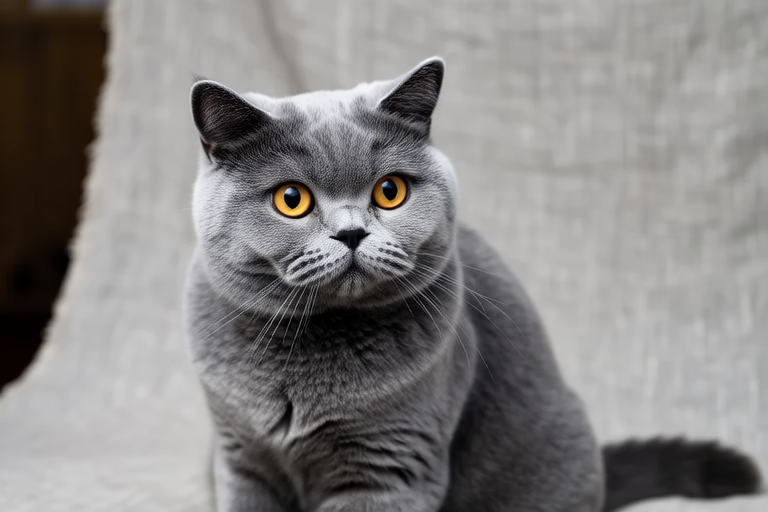
The American Shorthair cat is one of the most popular breeds in the United States. Known for their robust health and easy-going temperament, these cats are perfect for families with children or other pets. They have a strong, muscular body with a broad chest and powerful legs. Their heads are round with prominent cheeks and a short, straight nose. Their eyes are large and expressive, typically green, blue, or copper in color.
American Shorthairs are known for their intelligence and adaptability. They are curious and playful, often engaging in interactive games with their owners. These cats are generally calm and affectionate, making them great companions. However, they can be somewhat reserved around strangers. Their coat is dense and comes in a variety of colors and patterns, which require regular grooming to keep it looking its best.
Dietary Needs
Feeding your American Shorthair cat a balanced diet is crucial for maintaining their health and longevity. These cats should eat a diet rich in protein, with moderate amounts of fat and carbohydrates. High-quality commercial cat foods, either dry or wet, are generally sufficient to meet their nutritional needs. Look for products that list meat as the primary ingredient, avoiding those with excessive fillers or artificial additives.
Water is also essential for your cat’s health. Ensure fresh water is available at all times. It’s important to monitor your cat’s food intake and adjust portion sizes based on their activity level and age. Overweight cats are more prone to health issues, so keeping them at an ideal weight is vital. Consult your veterinarian for guidance on the appropriate diet and feeding schedule for your American Shorthair.
Grooming Requirements
American Shorthairs have a short, thick coat that requires regular grooming to prevent matting and remove loose hair. Brushing your cat once or twice a week will help distribute natural oils throughout their coat and reduce shedding. Use a slicker brush or a fine-toothed comb to gently work through their fur, paying special attention to areas where mats may form, such as behind the ears and under the legs.
Bathing is usually unnecessary unless your cat gets particularly dirty or has a skin condition. If you do need to bathe your cat, use a mild, pet-safe shampoo and ensure thorough rinsing to avoid irritation from soap residue. Regular nail trimming is also important to prevent overgrowth, which can cause discomfort or lead to ingrown nails. Check your cat’s ears weekly for signs of infection or wax buildup, and clean them gently if necessary.
Exercise and Playtime
While American Shorthairs are generally less active than some other breeds, they still require regular exercise to maintain their physical and mental well-being. Interactive toys, such as feather wands or laser pointers, can provide both physical activity and mental stimulation. Playing with your cat for at least 15 minutes each day can help them stay fit and engaged.
Providing scratching posts and climbing structures can encourage natural behaviors and give your cat opportunities for exercise. Rotate toys periodically to keep your cat interested and motivated. Consider creating a designated play area with tunnels, perches, and hiding spots to stimulate their curiosity and provide entertainment when you’re not home.
Health Concerns Specific to the Breed
Like any breed, American Shorthairs can be prone to certain health conditions. Hypertrophic cardiomyopathy (HCM) is a common heart disease in this breed, characterized by thickening of the heart muscle. Regular veterinary check-ups can help detect early signs of HCM. Polycystic kidney disease (PKD) is another concern, where cysts develop in the kidneys, potentially leading to renal failure. Genetic testing can identify carriers of PKD.
Other potential health issues include hip dysplasia, which affects joint mobility, and obesity, which can exacerbate other health problems. Regular veterinary care, including vaccinations, dental exams, and blood tests, can help manage these risks. Early detection and intervention are key to ensuring a long, healthy life for your American Shorthair.
Training Tips
Training your American Shorthair can be rewarding but requires patience and positive reinforcement. Cats learn best through repetition and rewards, so use treats and praise to encourage desired behaviors. Basic training can include teaching your cat to come when called, sit, or use a scratching post instead of furniture.
Toilet training your cat is typically straightforward, as most cats instinctively prefer a litter box. Place the litter box in a quiet, easily accessible location and clean it regularly to encourage consistent use. If your cat has accidents outside the box, consider factors like litter type, box size, or location, and consult a veterinarian if the behavior persists.
Advice on Creating a Safe Environment
Creating a safe and stimulating environment for your American Shorthair is essential for their well-being. Secure windows and balconies to prevent falls, and cover electrical outlets to avoid shock hazards. Use childproof latches on cabinets and drawers to keep toxic substances out of reach. Provide plenty of hiding spots and resting areas, as cats often feel safer when they can retreat to a quiet space.
Ensure your home is free from toxic plants, which can be harmful if ingested. Common household items like antifreeze, cleaning agents, and certain human foods can be dangerous to cats. Keep medications and chemicals stored securely. Regularly check for small objects that could be swallowed, such as strings, rubber bands, or coins. A safe, comfortable environment will help your American Shorthair thrive and enjoy a happy, healthy life.