
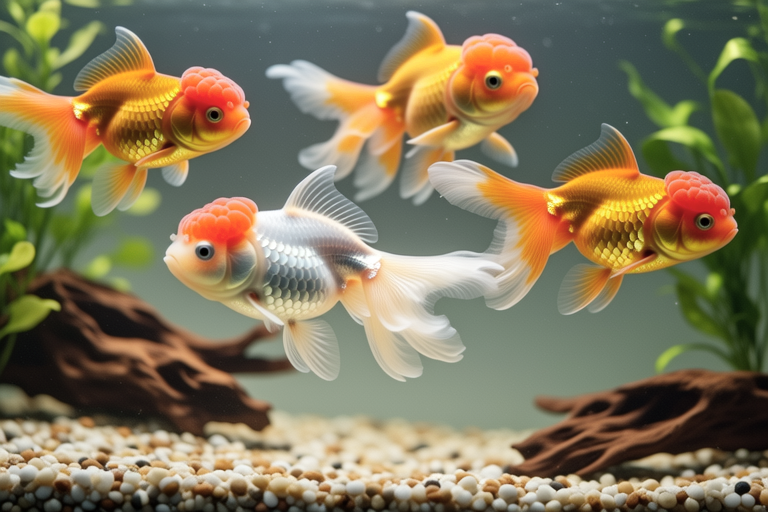
The Ultimate Guide to Goldfish Tank Setup: Tips & Tricks
Welcome to the world of goldfish keeping! These charming and colorful creatures have long been a favorite among pet enthusiasts. Their vibrant hues and playful nature make them perfect companions for aquarium lovers of all ages. However, what many new goldfish owners don’t realize is that setting up a healthy and thriving environment for these aquatic friends requires more than just filling a bowl with water. Proper tank setup is crucial for ensuring the health and longevity of your goldfish.
Choosing the Right Tank Size
One of the most important decisions you’ll make when setting up your goldfish tank is choosing the right size. Contrary to popular belief, goldfish require more space than a simple bowl can provide. A general rule of thumb is to have at least 20 gallons of water per goldfish. This provides ample room for swimming and helps prevent water quality issues that can arise from overcrowding.
For a single goldfish, a 20-gallon tank is sufficient, but if you’re planning on adding more fish, consider a larger tank. Keep in mind that goldfish grow rapidly, so it’s wise to plan for future growth by starting with a tank that can accommodate several fish comfortably.
Filtration Systems
A reliable filtration system is essential for maintaining clean and healthy water conditions. Goldfish produce a significant amount of waste, which can quickly degrade water quality if not properly managed. Choose a filter that is designed for the size of your tank and provides mechanical, biological, and chemical filtration.
- Mechanical Filtration: Removes large particles like uneaten food and debris.
- Biological Filtration: Supports beneficial bacteria that break down harmful ammonia and nitrites.
- Chemical Filtration: Absorbs dissolved organic compounds that can cloud the water.
Regularly cleaning and maintaining your filter will ensure it continues to function effectively over time.
Water Quality Maintenance
Water quality is paramount to the health of your goldfish. Regular testing and monitoring of water parameters such as pH, ammonia, nitrite, and nitrate levels are necessary to maintain a stable and healthy environment.
To keep your water clean and clear, perform partial water changes weekly or bi-weekly. Use a gravel vacuum to remove debris from the substrate during these changes. Additionally, ensure that your tap water is treated with a dechlorinator before adding it to the tank.
Temperature Control
Goldfish are coldwater fish and thrive in temperatures between 68°F and 74°F (20°C and 23°C). While they can tolerate slight fluctuations, maintaining a consistent temperature within this range is ideal. Avoid placing your tank near windows or doors where temperature extremes could occur.
If necessary, invest in a heater or chiller to regulate the water temperature. For most home aquariums, a heater is sufficient, especially in cooler climates. However, in warmer environments, a chiller might be needed to prevent overheating.
Lighting
Proper lighting not only enhances the beauty of your tank but also supports plant growth and the overall well-being of your goldfish. Aim for approximately 8 to 12 hours of light per day, mimicking natural daylight cycles. Avoid overly bright lights, as they can cause stress and potentially lead to health issues.
Select a light fixture that includes full-spectrum bulbs to promote healthy plant growth and vibrant colors in your fish. Consider incorporating timers to automate the lighting schedule, ensuring consistency.
Selecting Appropriate Substrate, Decorations, and Plants
The substrate, decorations, and plants you choose can greatly enhance the aesthetic appeal and functionality of your tank. Opt for a substrate that is easy to clean and won’t affect water chemistry. Gravel or sand are popular choices for goldfish tanks.
Decorations like rocks, driftwood, and ceramic ornaments can create hiding spots and enrich the tank’s environment. When selecting decorations, ensure they are safe for aquatic life and won’t disrupt the filtration system.
Plants add a touch of nature to your tank while providing oxygen and shelter for your goldfish. Hardy aquatic plants like Anubias, Java fern, and Amazon swords are excellent choices for goldfish tanks. Be cautious with fast-growing plants, as they may release excess nutrients into the water, leading to algae blooms.
Feeding Habits and Diet
Goldfish are omnivores and enjoy a varied diet. A high-quality flake or pellet food formulated specifically for goldfish is a good base. Supplement their diet with occasional treats like blanched vegetables, daphnia, and brine shrimp. Overfeeding can lead to poor water quality and obesity, so feed your goldfish only what they can consume within a few minutes.
Monitor your goldfish’s feeding habits closely. Excessive waste from overfeeding can pollute the tank, necessitating more frequent water changes. Feeding smaller amounts more frequently can help reduce waste and maintain cleaner water.
Introducing New Fish and Maintaining a Balanced Ecosystem
When introducing new fish to your tank, it’s crucial to acclimate them slowly to prevent shock. Float the bag containing the new fish in the tank for about 15 minutes to equalize the temperature. Then, gradually introduce small amounts of tank water to the bag over the next hour. Finally, gently net the fish into the tank.
Establishing a balanced ecosystem involves more than just the physical setup of the tank. Encourage beneficial bacteria growth by cycling the tank before adding fish. This process allows the nitrifying bacteria to establish colonies, converting harmful ammonia into less toxic nitrites and then nitrates.
Common Mistakes to Avoid
Even experienced aquarists can make mistakes. Here are some common pitfalls to avoid:
- Overcrowding the tank.
- Ignoring water quality and failing to test regularly.
- Not cycling the tank before adding fish.
- Overfeeding, leading to poor water quality.
- Placing the tank in areas exposed to direct sunlight or extreme temperature changes.
Resources for Further Learning
For those eager to deepen their knowledge, there are numerous resources available. Books, magazines, and online forums dedicated to aquarium keeping offer valuable insights and community support. Engaging with fellow hobbyists can provide practical advice and encouragement as you continue your journey in goldfish keeping.
Remember, creating a thriving goldfish tank is a rewarding endeavor that combines creativity and responsibility. By following these guidelines and continuously learning, you’ll ensure a healthy and happy environment for your aquatic companions.