
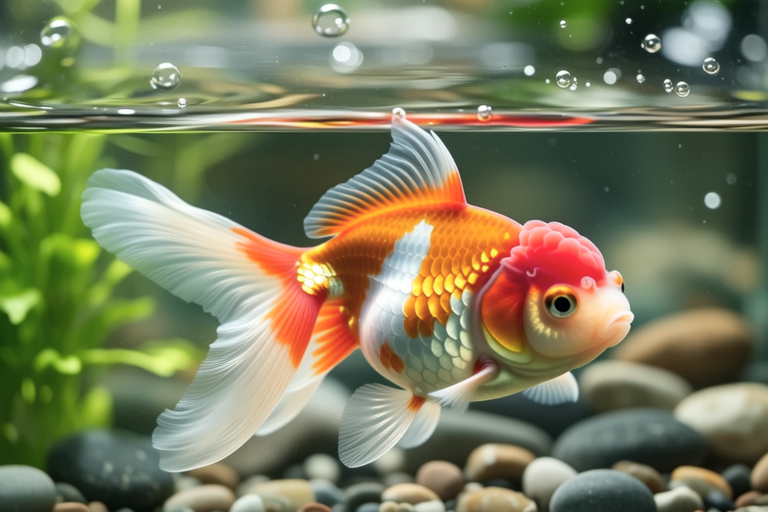
Goldfish Behavior Decoded: Understanding Your Pet’s Every Move
Welcome to the fascinating world of goldfish behavior! As a goldfish owner, you’ve probably noticed that your fish exhibits a wide range of movements and actions. These behaviors are not just random; they’re a window into your pet’s physical and emotional state. By understanding what these behaviors mean, you can ensure your goldfish lives a healthy, happy life. This article will guide you through the most common activities of your goldfish, helping you interpret their swimming patterns, eating habits, and reactions to stimuli. We’ll also provide tips on how to enhance your understanding and interaction with your aquatic companions.
Understanding Swimming Patterns
Swimming is the primary activity for goldfish, and it can tell you a lot about their well-being. Goldfish swim in different ways depending on their mood, health, and environment. Typically, healthy goldfish will swim gracefully, moving from one end of the tank to another, exploring their surroundings. They may also swim in circles or dart around quickly when excited or playing.
If your goldfish swims near the surface frequently, it could be due to several reasons. One possibility is that the water quality isn’t optimal. Poor oxygen levels can cause your goldfish to struggle at the surface for air. Another reason might be stress or illness, which can lead to unusual swimming patterns. Conversely, if your goldfish spends too much time at the bottom of the tank, it could be a sign of lethargy, indicating potential health issues or discomfort.
Healthy goldfish often swim in groups, especially if you have more than one. This social behavior is natural and can be encouraged by providing ample space and hiding spots within the tank. On the other hand, if your goldfish is isolated or aggressive towards others, it might be stressed or territorial. In such cases, consider rearranging the tank layout or adding more plants and decorations to create separate territories.
Decoding Eating Habits
Eating habits are another crucial aspect of goldfish behavior. Observing how and what your goldfish eats can provide valuable insights into its health and happiness. Healthy goldfish usually eat with enthusiasm, taking food from the surface or sinking pellets directly from the bottom. They may also nibble on algae or plant matter, indicating a balanced diet.
However, changes in eating habits can signal problems. If your goldfish suddenly stops eating or shows reduced interest in food, it might be sick or stressed. Similarly, overeating can lead to bloating and other health issues. It’s essential to monitor the amount of food you offer and ensure it matches your goldfish’s appetite. Overfeeding can also pollute the tank, leading to poor water quality and further health issues.
Varying the type of food can also impact your goldfish’s behavior. High-quality flakes, pellets, and live or frozen foods like brine shrimp or bloodworms can stimulate your goldfish’s interest in feeding times. Introducing new types of food can make mealtime more exciting and encourage your goldfish to explore and interact with their environment.
Responses to Stimuli
Your goldfish’s response to stimuli, whether it’s light, sound, or the presence of other creatures, can reveal a lot about its emotional state. Goldfish are sensitive to changes in their environment and can react in various ways. For example, sudden movements or loud noises might startle them, causing them to swim erratically or hide. This reaction is normal but indicates that your goldfish is alert and aware of its surroundings.
On the other hand, if your goldfish seems unresponsive to stimuli, it might be a sign of lethargy or illness. Goldfish should respond to gentle tapping on the tank glass or the sight of food. If they don’t, it could mean they’re not feeling well. Regularly interacting with your goldfish can help them become more comfortable and responsive, making it easier to detect any changes in behavior.
Goldfish also exhibit unique behaviors when interacting with each other. They might chase, bite, or even playfully nudge one another. While some aggression is normal, excessive fighting can lead to injuries. Providing enough space and hiding spots can help reduce conflicts and promote peaceful coexistence among tank mates.
Interpreting Health and Happiness Indicators
The behaviors discussed above can serve as indicators of your goldfish’s overall health and happiness. A goldfish that swims actively, eats with enthusiasm, and responds positively to stimuli is likely healthy and content. However, any significant changes in behavior, such as lethargy, loss of appetite, or unusual swimming patterns, should prompt immediate attention.
If you notice any concerning signs, it’s essential to check the water parameters, including temperature, pH level, ammonia, nitrite, and nitrate levels. Maintaining optimal water conditions is crucial for your goldfish’s well-being. Regular water changes and proper filtration can help keep the tank clean and prevent diseases.
In addition to environmental factors, goldfish can also show signs of stress or illness through physical symptoms. Look for changes in coloration, swelling, or lesions on the body. If you suspect your goldfish is sick, consult a veterinarian specializing in aquatic animals for diagnosis and treatment.
Tips for Enhancing Interaction and Care
To better understand and care for your goldfish, follow these tips:
- Regular Observation: Spend time watching your goldfish daily. Notice any changes in behavior, eating habits, or physical appearance. Early detection of issues can save your fish’s life.
- Interactive Feeding: Use feeding times to engage with your goldfish. Hand-feed them occasionally or use floating treats to encourage interaction. This can strengthen the bond between you and your pet.
- Environmental Enrichment: Provide toys, plants, and structures in the tank to stimulate your goldfish’s curiosity and exploration. Rotate items periodically to keep the environment interesting.
- Consistent Routine: Establish a consistent feeding and maintenance schedule. Predictable routines can reduce stress and promote healthy behaviors.
- Learning Continuously: Stay informed about goldfish care by reading books, joining forums, and attending workshops. The more you know, the better equipped you’ll be to care for your aquatic friends.
Conclusion
By decoding your goldfish’s behavior, you can gain deeper insights into their needs and preferences, ensuring a healthier and happier life for your aquatic companions. From swimming patterns and eating habits to responses to stimuli, every move your goldfish makes tells a story. With careful observation and proactive care, you can enhance your understanding and interaction with your goldfish, creating a harmonious relationship built on trust and affection.