
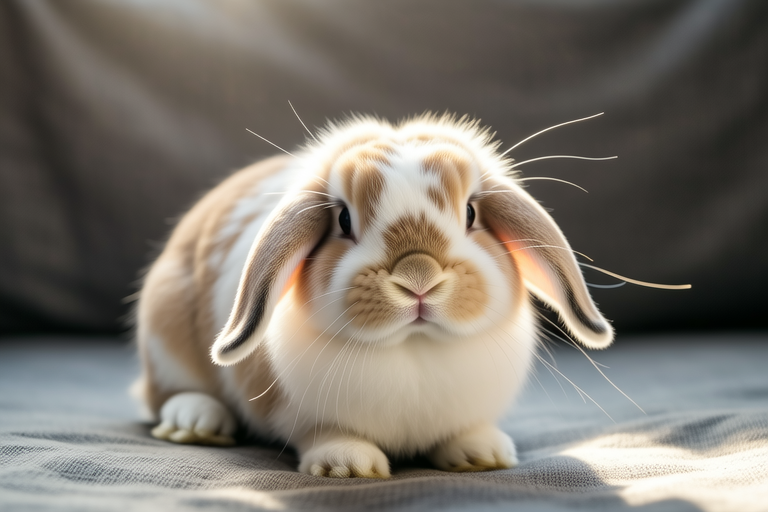
Lop Rabbits: The Perfect Pet for First-Time Owners?
Choosing the right pet can be a daunting task, especially for first-time owners. With so many options available, it’s important to find a pet that matches your lifestyle and can provide companionship without overwhelming you with maintenance. Lop rabbits have become increasingly popular among pet owners, and for good reason. This article will explore whether lop rabbits are the perfect pet for first-time owners by discussing their temperament, care requirements, space needs, grooming, dietary needs, and common health issues. We’ll also compare their ease of care relative to other small pets, offer tips for setting up a suitable habitat, and provide advice on bonding with your new pet.
The Gentle Temperament of Lop Rabbits
Lop rabbits are known for their calm and gentle nature, making them ideal for families with children or first-time pet owners. Their docile demeanor means they are less likely to bite or scratch, which is particularly reassuring for those unfamiliar with handling small animals. However, it’s important to remember that rabbits are prey animals and may become stressed or anxious if handled too roughly or suddenly. Patience and gentleness are key when interacting with your lop rabbit to ensure a positive experience for both you and your pet.
Care Requirements
While lop rabbits are relatively low-maintenance compared to other pets, they still require proper care to thrive. Providing a clean living environment, fresh water, and a balanced diet are essential for maintaining your rabbit’s health. Regular cleaning of their habitat and litter box is necessary to prevent odors and potential health issues. Additionally, rabbits need daily exercise to stay active and healthy. While some rabbits may enjoy running around outside in a secure area, others prefer the safety and comfort of a large indoor playpen. It’s important to understand your rabbit’s preferences and provide appropriate opportunities for physical activity.
Space Needs
Lop rabbits are relatively compact and don’t require as much space as larger animals like dogs or cats. However, they still need enough room to move around comfortably and stretch their legs. A spacious cage or enclosure is recommended for housing your rabbit, along with regular time outside of the enclosure for exercise and mental stimulation. If you live in an apartment or have limited outdoor space, a lop rabbit could be a great option. Just make sure to provide plenty of toys and activities to keep your rabbit entertained while indoors.
Grooming
Grooming your lop rabbit is relatively easy, but it does require some attention to detail. Their long ears and fur can accumulate dirt and debris, so regular brushing is necessary to keep them clean and healthy. Depending on the breed, lop rabbits may shed more heavily during certain times of the year, requiring more frequent grooming sessions. Pay special attention to their ears, as dirt and wax buildup can lead to infections if left unchecked. Regular ear cleaning and inspection can help prevent these issues. Additionally, trimming your rabbit’s nails and teeth as needed is important for their overall well-being.
Dietary Needs
A balanced diet is crucial for maintaining your lop rabbit’s health. Fresh hay should make up the majority of their diet, as it provides essential nutrients and helps wear down their continuously growing teeth. Pellets formulated specifically for rabbits should be offered in moderation to ensure they receive the proper vitamins and minerals. Fresh vegetables and fruits can be given as occasional treats, but it’s important to introduce new foods gradually to avoid digestive upset. Always consult with a veterinarian or experienced rabbit owner before introducing any new food items to your rabbit’s diet.
Common Health Issues
Like all pets, lop rabbits are susceptible to certain health problems. Dental issues, such as overgrown teeth, are common in rabbits and can cause pain and difficulty eating. Regular check-ups with a veterinarian who specializes in small animals can help catch these problems early and prevent more serious complications. Gastrointestinal stasis, a condition where the digestive system slows down or stops functioning properly, is another concern for rabbit owners. Keeping your rabbit hydrated and providing a fiber-rich diet can help reduce the risk of this potentially life-threatening condition. Other common health issues include respiratory infections, skin conditions, and obesity. Regular veterinary care and a healthy lifestyle can go a long way in preventing these problems.
Comparison with Other Small Pets
When considering a lop rabbit as a pet, it’s helpful to compare their ease of care with other small animals commonly kept as pets. Compared to hamsters or gerbils, rabbits require more space and attention but are generally easier to handle and interact with. They also tend to live longer, offering a more rewarding companionship experience. Guinea pigs, another popular small pet, share many similarities with rabbits in terms of socialization and dietary needs. However, guinea pigs are typically more vocal and energetic, which might be preferable for some owners. Ultimately, the best choice depends on your individual preferences and lifestyle.
Tips for First-Time Owners
If you’re a first-time pet owner looking to welcome a lop rabbit into your home, there are several steps you can take to ensure a smooth transition:
- Set up a suitable habitat: Choose a spacious cage or enclosure with plenty of ventilation and easy access to food and water. Line the bottom with soft bedding material and provide hiding spots for your rabbit to feel safe.
- Provide enrichment: Rabbits are intelligent creatures that need mental stimulation. Offer a variety of toys, tunnels, and chewable items to keep your rabbit entertained and prevent boredom.
- Bonding techniques: Spend time each day interacting with your rabbit, allowing them to get used to your presence and building trust. Use gentle handling and positive reinforcement to encourage a strong bond.
- Consult with experts: Don’t hesitate to seek advice from veterinarians, experienced rabbit owners, or online communities. They can offer valuable insights and support as you navigate the challenges of caring for a new pet.
Pros and Cons
Before deciding if a lop rabbit is the right choice for you, consider the following pros and cons:
Pros
- Docile temperament: Lop rabbits are generally calm and gentle, making them suitable for families with children or first-time pet owners.
- Low maintenance: Compared to other small pets, rabbits require minimal grooming and can be cared for with basic supplies.
- Long lifespan: With proper care, lop rabbits can live for 8-12 years, providing a long-term companion.
- Social and interactive: Rabbits enjoy interaction with their owners and can form strong bonds through regular handling and play.
Cons
- Space requirements: While not excessive, rabbits do need a certain amount of space to move around comfortably.
-
- Initial costs: Purchasing supplies, including a proper cage, bedding, and food, can add up initially.
- Dietary considerations: Feeding a balanced diet requires knowledge and commitment to ensure your rabbit receives all necessary nutrients.
- Health concerns: Like all pets, rabbits can develop health issues that require regular veterinary care.
In conclusion, lop rabbits can be an excellent choice for first-time pet owners. Their gentle temperament, manageable care requirements, and social nature make them ideal companions. However, it’s important to carefully consider the pros and cons before bringing a lop rabbit into your home. By providing a suitable habitat, proper care, and lots of love, you can enjoy a rewarding relationship with your new furry friend.