
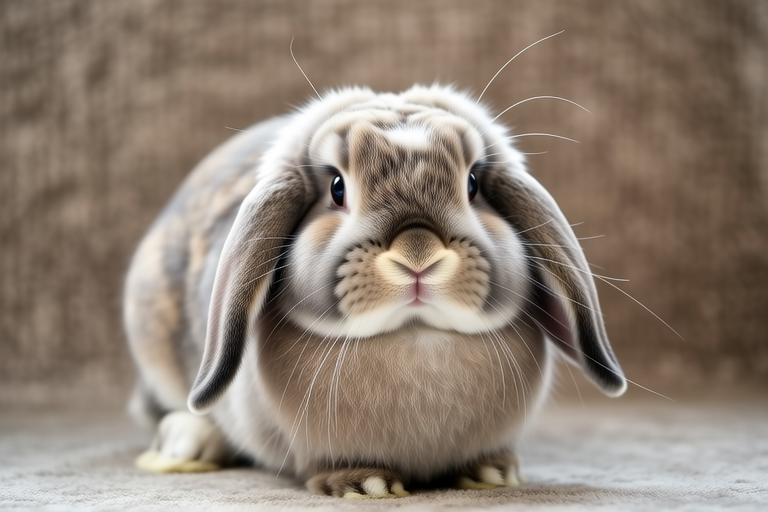
Adorable and Affectionate: The Ultimate Guide to Lop Rabbits
Welcome to the world of lop rabbits, one of the most beloved and popular breeds of domesticated rabbits. These charming creatures have captured the hearts of many with their floppy ears, gentle demeanor, and playful personalities. Whether you’re a seasoned rabbit owner or considering adding a lop rabbit to your family, this guide will provide all the information you need to understand, care for, and bond with these adorable pets.
The Popularity and Unique Characteristics of Lop Rabbits
Lop rabbits have been a favorite among rabbit enthusiasts for generations. Their distinctively drooping ears, which can reach up to 8 inches in length, give them a uniquely endearing appearance. Beyond their physical charm, lop rabbits are known for their calm and gentle temperament, making them ideal companions for both children and adults. They are intelligent, curious, and often very affectionate, enjoying close contact with their human caregivers.
Varieties of Lop Rabbit Breeds
There are several different breeds of lop rabbits, each with its own set of characteristics:
- English Lops: Known for their exceptionally long ears, which can grow up to 20 inches in length. They are large rabbits, weighing between 9 and 14 pounds. Their dense, short fur comes in a variety of colors.
- Flemish Lops: One of the largest lop breeds, Flemish lops can weigh up to 14 pounds. They have shorter ears than English lops, typically around 8 inches long. Their fur is dense and soft, usually in shades of brown, black, or white.
- Dutch Lops: Smaller than other lop breeds, Dutch lops typically weigh between 3 and 4 pounds. They have shorter ears and a compact body, making them easier to handle. Their coats are often tri-colored, with a white blaze on their face and a mix of other colors on their bodies.
- Belgian Hares: While not technically a lop breed, Belgian hares share some characteristics with lop rabbits, including their long, floppy ears. They are known for their energetic and alert nature.
Care Tips for Lop Rabbits
Diet
A healthy diet is essential for maintaining the well-being of your lop rabbit. The majority of their diet should consist of high-quality hay, which provides necessary fiber and helps maintain dental health. Fresh vegetables, such as leafy greens, carrots, and bell peppers, should be offered daily in moderation. A small amount of pellets formulated specifically for rabbits can also be included in their diet. It’s important to avoid feeding your rabbit foods that are harmful, such as chocolate, onions, or rhubarb.
Housing
Providing a safe and comfortable living space is crucial for your lop rabbit’s happiness. An indoor cage or hutch should be spacious enough for your rabbit to move around freely, stretch out fully, and stand on their hind legs without their ears touching the top. The cage should be lined with absorbent bedding, such as straw or shredded paper, and kept clean to prevent odors and bacterial growth. Additionally, ensure that the cage is placed in a quiet area away from direct sunlight and drafts.
Grooming
Regular grooming is important for keeping your lop rabbit’s coat healthy and free from mats. Use a soft-bristled brush to gently brush their fur, paying special attention to areas where their ears meet their head. This will help remove loose hair and prevent matting. Bathing is generally unnecessary unless your rabbit gets particularly dirty, but if you do bathe them, use a mild shampoo and thoroughly rinse to avoid skin irritation.
Exercise
Lop rabbits require regular exercise to stay healthy and happy. Allow them supervised time outside of their cage each day for play and exploration. A secure, rabbit-proofed area within your home or a designated outdoor enclosure can provide ample space for them to hop, run, and explore. Be sure to remove any hazards, such as electrical cords or toxic plants, before letting your rabbit roam.
Common Health Issues and Preventive Measures
Like all animals, lop rabbits are susceptible to certain health issues. Some common problems include:
- Dental Problems: Overgrown teeth can cause pain and difficulty eating. Regular check-ups with a veterinarian who specializes in rabbits can help catch and address dental issues early.
- Ear Infections: Due to their long, floppy ears, lop rabbits are more prone to ear infections. Keep their ears clean and dry, and consult a vet if you notice signs of infection, such as redness, discharge, or foul odor.
- Obesity