
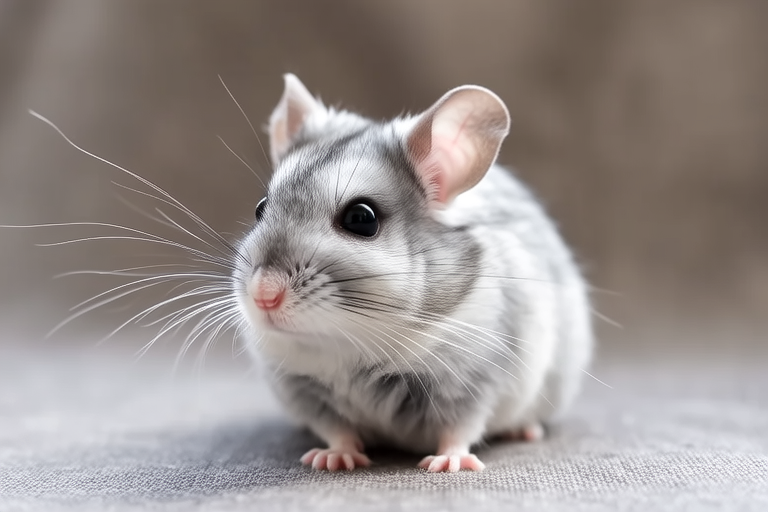
Chinchilla Health Guide: Spotting Signs of Common Illnesses Early On
Welcome to your comprehensive guide on maintaining the health of your beloved chinchillas. These adorable creatures require special attention to ensure they lead happy and healthy lives. This guide will walk you through understanding the importance of their health, recognizing early signs of common illnesses, and providing practical advice on preventive care, diet, and habitat maintenance.
Introduction: The Importance of Chinchilla Health
Chinchillas are small, delicate animals that thrive on a stable environment and proper care. Ensuring their health involves more than just feeding them; it includes understanding their unique needs and being vigilant about potential health issues. Regular health checks and timely interventions can prevent minor ailments from turning into serious conditions. As a responsible owner, your role is crucial in safeguarding your chinchilla’s well-being.
Common Illnesses in Chinchillas
Respiratory Issues
Respiratory infections are one of the most common health problems in chinchillas. These can be caused by bacteria, viruses, or fungi and often stem from poor ventilation or damp living conditions.
- Early Signs: Sneezing, runny nose, nasal discharge, labored breathing, lethargy.
- Symptoms: Coughing, wheezing, loss of appetite, swollen eyes.
Dental Problems
Chinchillas have continuously growing teeth that need to be worn down properly. Misalignment or overgrowth can cause significant discomfort and affect their ability to eat.
- Early Signs: Drooling, difficulty eating, weight loss, pawing at the mouth.
- Symptoms: Swollen cheeks, reluctance to chew hard foods, visible tooth overgrowth.
Digestive Disorders
Chinchillas are prone to digestive issues due to their sensitive gastrointestinal tracts. These can be triggered by dietary changes or stress.
- Early Signs: Reduced fecal production, soft or liquid stools, increased water intake.
- Symptoms: Diarrhea, bloating, decreased activity, refusal to eat.
Preventive Care Tips
Prevention is key to keeping your chinchilla healthy. Here are some essential tips:
- Keep the cage clean and dry.
- Ensure proper ventilation and avoid drafts.
- Provide a balanced diet rich in hay.
- Regularly inspect your chinchilla’s teeth and claws.
- Minimize stress by maintaining a consistent routine.
Diet and Nutrition Advice
A well-balanced diet is crucial for chinchillas’ overall health. Their diet should primarily consist of high-quality timothy hay, supplemented with pellets and fresh vegetables.
- Hay: Offer unlimited access to fresh, dust-free hay.
- Pellets: Provide a small amount of high-fiber pellets daily.
- Fruits and Vegetables: Offer limited amounts of safe vegetables like carrots, leafy greens, and bell peppers.
- Water: Ensure clean, fresh water is always available.
Habitat Maintenance
Maintaining a clean and appropriate habitat is vital for your chinchilla’s health. Follow these guidelines:
- Clean the cage regularly, removing soiled bedding and waste.
- Use dust baths twice weekly to keep their fur clean and healthy.
- Ensure adequate space for exercise and play.
- Monitor temperature and humidity levels; chinchillas prefer cooler environments.
When to Consult a Veterinarian
While it’s important to monitor your chinchilla’s health closely, there are times when professional help is necessary:
- If you notice any persistent signs of illness.
- In case of sudden changes in behavior or appetite.
- When there is noticeable physical discomfort or distress.
- During pregnancy or if you suspect reproductive issues.
Always choose a veterinarian experienced with exotic pets, as they understand the specific needs of chinchillas.
The Significance of Regular Health Check-Ups
Regular health check-ups are essential for early detection and management of potential health issues. They allow your veterinarian to assess your chinchilla’s overall condition and provide personalized advice based on their age, breed, and individual needs.
By following this guide, you’ll be better equipped to spot early signs of illness and take proactive steps to maintain your chinchilla’s health. Remember, a little vigilance goes a long way in ensuring your pet enjoys a long, healthy life.