
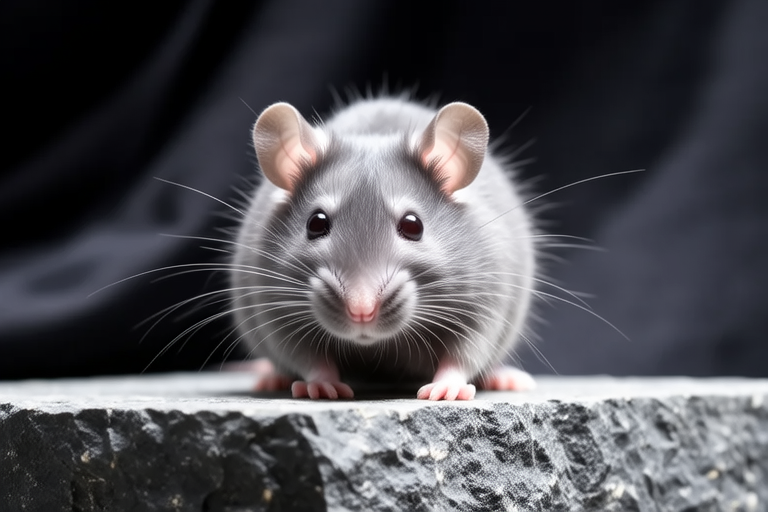
Chinchillas: The Fabulous Fur-Bearers
Welcome to the enchanting world of chinchillas! These small, furry rodents are native to the Andes Mountains in South America and have captivated humans with their luxurious coats for centuries. In this article, we will explore the unique characteristics of chinchilla fur, delving into its biology, care, and cultural significance. We’ll also provide tips for those considering these delightful creatures as pets.
The Biology Behind Chinchilla Fur
Chinchillas possess one of the most remarkable furs in the animal kingdom. Their fur is exceptionally soft due to the high density of hairs per square inch. While many animals have thick fur, chinchillas take it to another level, boasting approximately 30,000 hairs per square inch. This density is unparalleled among mammals and contributes significantly to their plush appearance.
The structure of chinchilla hair is also noteworthy. Each individual hair is composed of multiple layers, which gives it resilience and strength. This multi-layered structure allows the fur to withstand wear and tear while remaining soft and silky to the touch. Additionally, chinchillas have a unique grooming behavior that further enhances the condition of their fur.
Grooming Behavior
Chinchillas are meticulous groomers. They spend a considerable amount of time each day cleaning themselves. Unlike many other animals, chinchillas don’t rely solely on their tongues for grooming; they also use special structures called “grooming pads” located on their front paws. These pads contain tiny, rough surfaces that help them remove dirt and debris from their fur.
In addition to paw grooming, chinchillas also engage in dust baths. They roll around in fine volcanic ash or specially formulated dust, which helps to clean and condition their fur. This practice not only keeps their coats healthy but also serves as a form of social interaction and stress relief. Dust bathing is essential for maintaining the health and appearance of chinchilla fur.
Cultural Significance of Chinchilla Fur
Historically, chinchilla fur has been highly prized. The first European explorers who encountered chinchillas were astounded by the quality of their pelts. Over time, chinchilla fur became a symbol of luxury and wealth. It was used to make exquisite garments such as coats, hats, and gloves, often referred to as “chinchilla wraps.” Unfortunately, the demand for chinchilla fur led to over-hunting and near extinction in the wild.
Today, due to conservation efforts and captive breeding programs, chinchillas are no longer hunted for their fur. However, their luxurious coats remain a testament to their natural beauty and adaptability. Many people now appreciate chinchillas as pets rather than fashion accessories, cherishing their companionship and unique attributes.
Maintaining Fur Health
Proper care is essential for keeping chinchilla fur in top condition. As mentioned earlier, dust bathing is crucial for maintaining hygiene and preventing skin issues. Pet owners should provide their chinchillas with regular access to dust baths, typically lasting 10-15 minutes several times a week.
Beyond dust baths, chinchillas require a balanced diet rich in vitamins and minerals to support healthy skin and fur growth. A diet consisting primarily of high-quality pellets designed specifically for chinchillas is recommended. Fresh hay, water, and occasional treats like fruits and vegetables can supplement their diet, providing necessary nutrients.
Veterinary care is also important for maintaining overall health, including the condition of their fur. Regular check-ups can help identify potential health issues early, ensuring prompt treatment and preventing complications. Owners should be vigilant about any changes in their chinchilla’s behavior or appearance, seeking professional advice when needed.
Tips for Pet Owners
If you’re considering adopting a chinchilla as a pet, there are several factors to keep in mind. First and foremost, ensure that you can provide a suitable environment. Chinchillas thrive in cool, dry environments with plenty of space for exercise. A spacious cage equipped with toys, tunnels, and climbing structures is ideal for keeping them entertained and physically active.
Handling chinchillas requires gentleness and patience. They are delicate animals, and improper handling can lead to injury or stress. Always support their bodies fully when holding them and avoid sudden movements. Chinchillas are naturally curious and playful, so providing stimulating activities can help prevent boredom and destructive behaviors.
Finally, consider the time commitment involved in caring for a chinchilla. They have specific dietary needs, require regular grooming, and benefit from social interaction. Ensuring that you can dedicate sufficient time and attention to your chinchilla is crucial for both their well-being and your enjoyment as a pet owner.
Conclusion
Chinchillas are truly fascinating creatures, known for their extraordinary fur and charming personalities. Understanding the biology behind their plush coats, as well as the proper care required to maintain their health, can deepen our appreciation for these unique animals. Whether admired for their luxurious pelts or cherished as beloved pets, chinchillas continue to captivate hearts and minds worldwide.
By following the tips provided in this article, prospective pet owners can ensure that their chinchillas live happy, healthy lives. With the right care and attention, these magnificent little creatures can bring joy and companionship to countless homes. So, if you’re ready for a rewarding pet experience, perhaps a chinchilla might just be the perfect choice for you!