
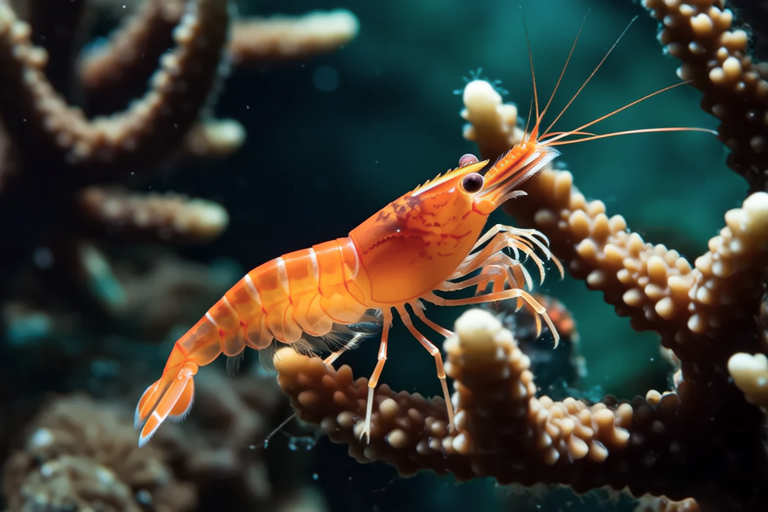
A Complete Guide to Feeding Coral Shrimp for Optimal Growth
Coral shrimp, also known as cleaner shrimp, are fascinating creatures that play a vital role in maintaining the health of marine ecosystems. Their vibrant colors and unique behavior make them popular additions to many aquariums. Proper nutrition is essential for their well-being and growth, ensuring they thrive in captivity. This guide will provide a comprehensive overview of the dietary needs of coral shrimp, the importance of a balanced diet, suitable food options, feeding techniques, and common pitfalls to avoid.
Introduction to Coral Shrimp and Their Dietary Needs
Coral shrimp belong to the family Palaemonidae and are found in various parts of the world, including the Indo-Pacific region. These small crustaceans are known for their striking appearance, often featuring bright red, orange, or yellow hues. In the wild, coral shrimp feed on microorganisms, detritus, and algae. Understanding these natural feeding habits is crucial for replicating a suitable diet in captivity.
Like all aquatic animals, coral shrimp require a balanced diet rich in proteins, carbohydrates, fats, vitamins, and minerals to maintain their health and promote optimal growth. A proper diet ensures they develop strong exoskeletons, vibrant colors, and robust immune systems. Additionally, a well-fed shrimp is less likely to become stressed, reducing the risk of disease.
The Importance of a Balanced Diet
A balanced diet is paramount for the overall health and longevity of coral shrimp. Protein-rich foods help in muscle development, while carbohydrates provide energy. Fats are necessary for cell membrane structure and hormone production. Vitamins and minerals support various bodily functions, from digestion to reproduction. Ensuring that all nutritional requirements are met can significantly enhance their quality of life.
Inadequate nutrition can lead to stunted growth, weakened immune systems, and poor coloration. On the other hand, overfeeding can result in water pollution, leading to harmful ammonia spikes that can be detrimental to the entire aquarium ecosystem.
Suitable Foods for Coral Shrimp
Algae Wafers
Algae wafers are an excellent source of nutrients for coral shrimp. They are rich in fiber, which aids in digestion and provides roughage that helps maintain healthy gut flora. Look for high-quality algae wafers designed specifically for bottom-dwelling shrimp. These wafers should sink slowly to the bottom of the tank, allowing the shrimp ample time to find and consume them.
Blanched Vegetables
Blanched vegetables, such as zucchini, spinach, and peas, offer a variety of nutrients beneficial for coral shrimp. Zucchini is particularly favored because it is soft and easy to digest. To prepare, slice the vegetable thinly, blanch it in boiling water for about 30 seconds, then cool it under cold water. This process removes some of the natural oils and makes the food more palatable for the shrimp.
Supplements for Coloration and Vitality
To enhance the vibrant colors of coral shrimp, consider adding supplements to their diet. Carotenoids, found in spirulina and krill, can improve their coloration. Additionally, vitamin C and calcium are essential for maintaining strong exoskeletons and promoting overall vitality. These supplements can be added to prepared foods or provided through fortified flakes.
Feeding Techniques and Portion Control
Proper feeding techniques are crucial for preventing overfeeding and maintaining water quality. Coral shrimp are scavengers and will consume food left at the bottom of the tank. It’s important to observe their feeding habits to determine the appropriate amount of food. Overfeeding can lead to uneaten food decomposing, causing ammonia spikes and harming the shrimp.
Begin by offering small portions of food and gradually increase the amount based on how much the shrimp consume within a few minutes. It’s better to underfeed initially and adjust upwards than to overfeed and risk water quality issues.
Common Feeding Mistakes and Their Impacts
One of the most common mistakes among aquarists is overfeeding. Excess food not only pollutes the water but can also lead to obesity in shrimp, reducing their lifespan. Another frequent error is feeding inappropriate foods. While coral shrimp can eat a wide range of foods, certain items, like raw fish or processed foods, may not be suitable for their digestive systems.
Additionally, some aquarists may overlook the importance of varied diets. Providing a diverse selection of foods ensures that the shrimp receive all necessary nutrients. Ignoring this aspect can lead to deficiencies and compromised health.
Tips for Monitoring Feeding Habits and Adjusting Diets
Regularly monitor the feeding habits of your coral shrimp to ensure they are receiving adequate nutrition. Observe how quickly they consume the food and whether there is any uneaten food remaining. Adjust the quantity of food accordingly to maintain a clean environment.
As your shrimp grow or when they are moved to new environments, their dietary needs may change. Young shrimp require more frequent, smaller meals, while mature shrimp can handle larger, less frequent feedings. Be attentive to changes in their behavior or appearance, as these can indicate dietary adjustments are needed.
Conclusion
Feeding coral shrimp properly is essential for their health and growth. By understanding their dietary needs and providing a balanced diet, you can ensure they thrive in your aquarium. Remember to use suitable foods, employ proper feeding techniques, and avoid common feeding mistakes. Regular monitoring and adjustment of their diet as they grow or change environments will contribute to their long-term well-being.