
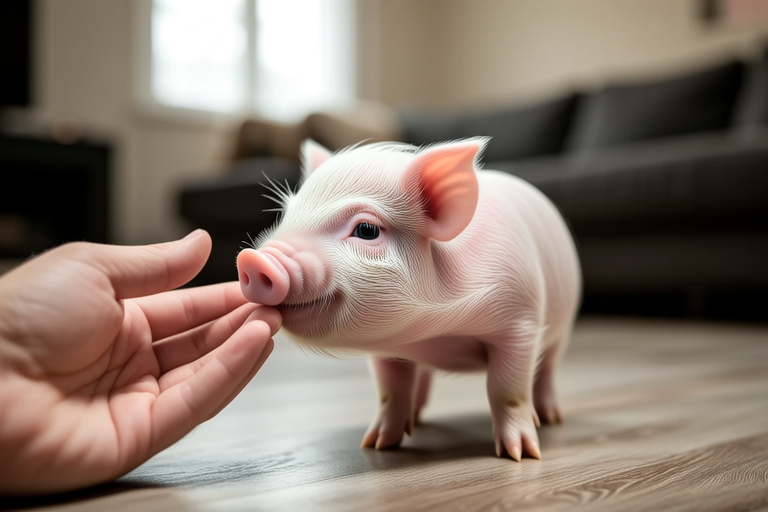
How Mini Pigs Are Changing Pet Ownership Norms
Introduction
The world of pet ownership is witnessing a significant shift with the growing popularity of mini pigs as household companions. These pint-sized versions of their larger counterparts have captured the hearts of many, challenging traditional norms around pet size and management. As mini pigs gain more traction in homes across the globe, it’s crucial to understand their unique characteristics, care requirements, and the profound impact they have on pet ownership practices.
The Rise of Mini Pigs
Mini pigs, also known as teacup pigs or micro pigs, have become increasingly popular over the past decade. Their compact size makes them ideal for urban living spaces where large animals might be impractical. Unlike full-sized pigs, which can weigh up to 700 pounds, mini pigs typically range between 50 to 150 pounds at maturity. This manageable size has made them appealing to many pet enthusiasts who previously considered themselves too constrained by space limitations.
Unique Characteristics of Mini Pigs
One of the most endearing qualities of mini pigs is their intelligence. They are highly curious and can be trained to perform various tasks, much like dogs. Mini pigs also possess a strong sense of loyalty and can form deep emotional bonds with their owners. Their social nature means they thrive in environments where they receive ample attention and interaction.
Mini pigs are also known for their cleanliness. Contrary to popular belief, they do not require mud baths to stay cool or clean. Instead, they prefer a clean environment and can even learn to use a litter box if properly trained. This characteristic challenges the stereotype that all pigs are dirty animals.
Care Requirements
Owning a mini pig comes with specific responsibilities. One of the primary considerations is providing adequate space. While mini pigs are smaller than their larger counterparts, they still need plenty of room to move around comfortably. A spacious backyard or access to outdoor areas is essential for their physical and mental well-being.
Dietary needs are another critical aspect of caring for mini pigs. Their diet should consist primarily of high-quality commercial pig feed formulated specifically for their nutritional requirements. Owners must ensure that their pets do not overeat, as this can lead to obesity and related health issues. Providing a balanced diet rich in vitamins and minerals is vital for maintaining their overall health.
Regular veterinary check-ups are also necessary to monitor the pig’s health and address any potential issues early on. Mini pigs can suffer from conditions such as dental problems, heart disease, and respiratory infections, among others. Early intervention can prevent these conditions from becoming severe.
Space and Dietary Needs
Mini pigs require more space than one might initially think. Despite their small size, they are active creatures that need room to explore and exercise. A confined living space can lead to behavioral issues and stress. Providing a secure outdoor area with shade, water, and enrichment activities like toys or puzzles helps keep them entertained and healthy.
Feeding mini pigs appropriately is equally important. Overfeeding can result in rapid weight gain, leading to obesity and joint problems. Owners should consult with a veterinarian to determine the appropriate amount of food based on the pig’s age, weight, and activity level. Fresh vegetables and fruits can supplement their diet but should be given in moderation.
Challenging Traditional Views
The rise of mini pigs as pets challenges traditional views on pet size and management. Historically, pets were often categorized by their ability to fit within certain spatial constraints or their utility in performing specific tasks. Mini pigs defy these classifications by offering companionship without requiring extensive land or specialized training.
Moreover, mini pigs demonstrate that pets come in all shapes and sizes, and each brings its own set of unique challenges and rewards. This realization encourages potential owners to consider factors beyond just physical appearance when choosing a pet, fostering a more inclusive approach to pet ownership.
Emotional Bonds
Many mini pig owners report forming deep emotional connections with their pets. These bonds are characterized by mutual affection, trust, and understanding. Mini pigs respond positively to positive reinforcement techniques such as treats and praise, making training sessions enjoyable for both parties.
One owner, Sarah Thompson, shares her experience: “Our mini pig, Oliver, has become an integral part of our family. He loves to follow us around the house and participate in daily activities. His presence brings joy and warmth to our home.” Stories like these highlight the emotional depth of the relationship between humans and mini pigs.
Real-Life Examples and Testimonials
John Doe, another mini pig owner, emphasizes the importance of proper care: “When we first brought our mini pig, Bella, home, we were overwhelmed by how much she needed. But through research and guidance from experienced owners, we learned what she required to thrive. Regular exercise, a balanced diet, and plenty of love have made her a happy and healthy member of our family.”
These stories underscore the commitment required to provide mini pigs with the best possible life. They also serve as reminders that with dedication and effort, these animals can bring immense happiness and fulfillment to their human companions.
Addressing Misconceptions
Despite their growing popularity, several misconceptions surround mini pigs. One common myth is that they remain tiny throughout their lives. In reality, while they are significantly smaller than standard breeds, mini pigs can still reach considerable sizes. Another misconception is that they are low-maintenance pets. While they may not require constant grooming like some other animals, mini pigs still demand consistent attention, care, and supervision.
It’s essential for potential owners to conduct thorough research before bringing a mini pig into their homes. Understanding the true nature of these animals will help set realistic expectations and ensure that both the owner and the pet enjoy a fulfilling relationship.
Conclusion
The increasing popularity of mini pigs as pets signals a transformative period in pet ownership. Their unique characteristics, care requirements, and ability to challenge traditional views on pet size and management make them compelling companions. By embracing mini pigs, owners not only gain loyal friends but also contribute to evolving norms surrounding pet ownership.
As mini pigs continue to capture hearts worldwide, it’s clear that they are here to stay. With proper education, preparation, and dedication, these pint-sized wonders promise to enrich countless lives for years to come.