
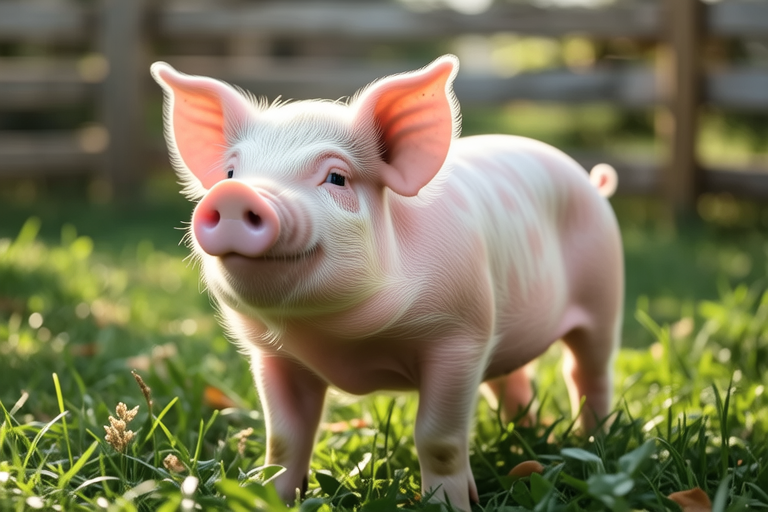
The Ultimate Guide to Raising a Happy and Healthy Mini Pig
Raising a mini pig can be a rewarding experience if done correctly. Mini pigs are intelligent, affectionate, and require careful attention to their unique needs to ensure they live long, healthy lives. This guide will cover everything you need to know about raising a happy and healthy mini pig, from selecting the right breed to understanding their dietary and exercise requirements.
Choosing the Right Mini Pig Breed
Before bringing a mini pig into your home, it’s important to choose the right breed. Mini pigs come in various breeds, each with its own characteristics. Some popular breeds include the Juliana, Vietnamese pot-bellied, and KuneKune pigs. Research each breed thoroughly to determine which one best suits your lifestyle and living environment.
Juliana pigs are known for their friendly and outgoing personalities, making them ideal for families. Vietnamese pot-bellied pigs are smaller in size and tend to be more reserved, while KuneKunes are gentle giants that are easy to train and enjoy human interaction. Regardless of the breed, always adopt from reputable sources such as shelters or rescue organizations.
Proper Diet and Nutrition
Mini pigs have specific dietary needs that must be met to maintain their health. A balanced diet consists of high-quality commercial pig pellets, fresh vegetables, fruits, and limited amounts of grains and treats. Consult with a veterinarian to create a personalized feeding plan based on your pig’s age, weight, and activity level.
Avoid feeding mini pigs foods high in sugar or salt, as these can lead to obesity and other health issues. Provide clean water at all times and consider adding supplements like vitamins and minerals to support bone and joint health. Proper nutrition is crucial for maintaining your mini pig’s energy levels and overall well-being.
Exercise Needs
Mini pigs require regular exercise to stay healthy and happy. Encourage physical activity through playtime, walking, and exploring safe environments. Exercise helps maintain muscle tone, prevents obesity, and reduces stress. Create a stimulating environment by providing toys, tunnels, and obstacles for your pig to explore. Always supervise your mini pig during outdoor activities to ensure safety.
Housing Requirements
Providing appropriate housing is essential for your mini pig’s comfort and safety. Indoor living spaces should be climate-controlled, free from drafts, and equipped with soft bedding. Outdoor enclosures should offer protection from extreme weather conditions, predators, and harsh sunlight. Ensure there is enough space for your pig to move around freely and engage in natural behaviors like rooting and foraging.
Consider factors such as flooring, ventilation, and temperature control when designing your mini pig’s living area. A comfortable and secure environment promotes mental and physical well-being, helping your pig thrive.
Grooming Tips
Grooming your mini pig regularly is important for maintaining good hygiene and preventing skin issues. Brush your pig’s coat weekly to remove dirt and debris, and trim nails every few weeks to prevent overgrowth. Clean ears and eyes daily to prevent infections. Bathing should be done sparingly, only when necessary, as frequent bathing can strip natural oils from your pig’s skin.
Pay attention to your pig’s dental health by providing chew toys and monitoring for signs of tooth decay. Regular grooming sessions also provide an opportunity to bond with your pig and monitor for any unusual lumps or bumps.
Common Health Issues and Prevention
Like any pet, mini pigs are susceptible to certain health issues. Common conditions include obesity, respiratory infections, parasites, and dental problems. To prevent these issues, maintain a healthy diet, provide adequate exercise, and schedule regular veterinary check-ups.
Vaccinations are essential for protecting your mini pig against diseases such as leptospirosis and parvovirus. Parasite control involves routine deworming and flea/tick prevention. Early detection and treatment of health problems can significantly improve outcomes and quality of life.
Training Techniques
Training your mini pig can enhance communication, strengthen bonds, and teach desirable behaviors. Use positive reinforcement methods like treats, praise, and affection to encourage good behavior. Start with basic commands such as sit, stay, and come, and gradually introduce more complex tricks.
Consistency is key in training. Establish clear expectations and reward desired behaviors promptly. Patience and repetition will help your mini pig learn quickly and effectively. Training sessions should be short and enjoyable to keep your pig engaged and motivated.
Socialization Advice
Socializing your mini pig early in life is crucial for developing confidence and positive interactions with humans and other animals. Expose your pig to various people, environments, and situations to promote adaptability and reduce fearfulness. Encourage gentle handling and positive experiences during socialization periods.
Introduce your pig to other pets carefully, ensuring compatibility and safety. Supervise interactions closely and intervene if aggression or distress occurs. Socialization fosters trust and understanding between you and your mini pig, enhancing the bond and enriching your relationship.
Signs of a Happy and Healthy Pig
Recognizing signs of happiness and health in your mini pig is important for ensuring their well-being. A healthy pig exhibits bright, alert eyes; shiny, smooth fur; and consistent eating habits. They should display curiosity and enthusiasm during playtime and interact positively with family members.
Monitor your pig’s behavior for any changes that may indicate discomfort or illness. Signs of distress include lethargy, loss of appetite, excessive scratching, or unusual vocalizations. Address any concerns promptly by consulting a veterinarian for proper diagnosis and treatment.
In conclusion, raising a happy and healthy mini pig requires commitment, knowledge, and dedication. By following the guidelines outlined in this ultimate guide, you can provide your mini pig with the care and attention needed to thrive. Remember, every pig is unique, so tailor your approach to meet their individual needs and preferences.