
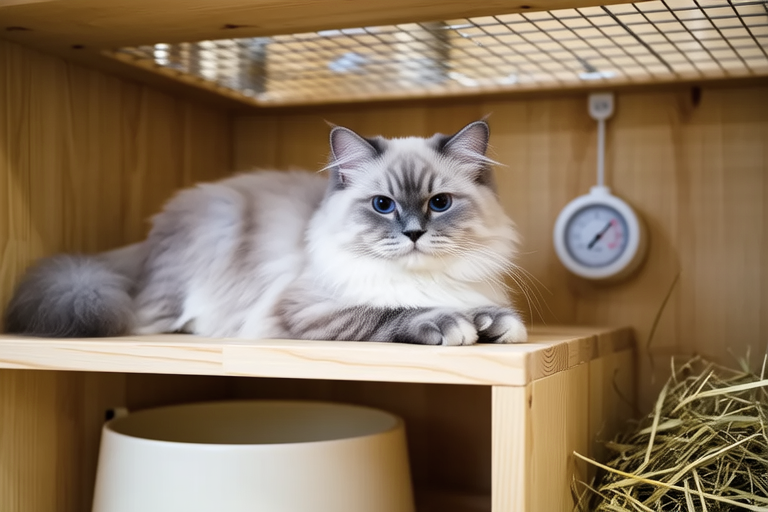
Creating the Ideal Habitat for Your New Chinchilla Friend
Welcome to the world of chinchillas! These adorable, fluffy rodents make wonderful pets with their unique needs and delightful personalities. As you prepare to welcome your new chinchilla friend into your home, it’s important to understand what they need to thrive. This guide will walk you through creating the perfect habitat for your chinchilla, covering everything from housing requirements to safety measures.
Housing Requirements
The first step in creating the ideal habitat for your chinchilla is choosing the right cage. Chinchillas are active animals that require ample space to move around freely. A cage should be at least 36 inches wide, 24 inches deep, and 24 inches tall for one chinchilla, with additional space for each additional chinchilla. Opt for a multi-level cage with platforms and ramps to encourage climbing and exploration. Wire-bottom cages are not recommended as they can cause foot injuries.
Ensure the cage has secure latches to prevent escapes and is placed in a quiet, draft-free area away from direct sunlight and heat sources. Chinchillas are sensitive to temperature changes, so it’s crucial to maintain a cool environment.
Temperature Control
Chinchillas have thick coats that make them highly susceptible to overheating. The ideal temperature range for a chinchilla habitat is between 60°F and 70°F (15°C to 21°C). Avoid placing the cage near windows or heating vents where temperatures can fluctuate. If necessary, use a small fan or air conditioner to keep the room cool during hot weather.
It’s also important to provide a shallow water dish filled with cool water for your chinchilla to drink from. Ensure the water remains fresh by changing it daily. Additionally, consider purchasing a water bottle designed for small animals to reduce spillage and maintain cleanliness.
Bedding Materials
Selecting appropriate bedding is crucial for maintaining a clean and comfortable environment for your chinchilla. Wood shavings, such as aspen, are popular choices due to their absorbency and lack of dust. Avoid pine and cedar shavings, as they can release harmful chemicals that may irritate your chinchilla’s respiratory system. Alternatively, paper-based bedding or recycled paper products are excellent alternatives, providing similar benefits without the risk of chemical exposure.
Regardless of the type of bedding chosen, it’s essential to change it regularly to prevent the buildup of waste and odors. Aim to clean the cage once a week or more frequently if needed. When cleaning, remove all old bedding and wash the cage with a mild detergent before replacing with fresh bedding.
Dust Bathing Areas
One of the most distinctive behaviors of chinchillas is their love for dust baths. Providing a dust bath area is essential for their grooming and overall health. Use commercial chinchilla dust made specifically for these animals, which typically contains fine volcanic ash. Place a shallow container, like a small plastic tub or a designated dust bath bowl, inside the cage for this purpose.
Allow your chinchilla to enjoy its dust bath for about 10 minutes daily. Afterward, remove any excess dust and replace the dust in the container weekly. Regular dust baths help maintain your chinchilla’s coat, preventing matting and skin issues.
Toys and Enrichment
Providing toys and enrichment activities is vital for keeping your chinchilla mentally and physically stimulated. Chinchillas are curious creatures that enjoy exploring and playing. Offer various toys such as chew sticks, wooden blocks, and hanging toys to encourage gnawing and chewing, which helps wear down their continuously growing teeth.
In addition to toys, consider adding tunnels, bridges, and other structures to create an engaging environment. Rotate toys periodically to keep things interesting and prevent boredom. Interactive playtime outside the cage can also be beneficial, but always supervise your chinchilla to ensure their safety.
Safety Measures
Ensuring the safety of your chinchilla is paramount. Keep the cage away from any potential hazards, including electrical cords and toxic plants. Use a sturdy lock to secure the cage doors and check them regularly to prevent accidental openings. Provide safe climbing structures and platforms within the cage to prevent falls.
Regularly inspect the cage for any signs of wear and tear, and replace damaged parts promptly. Be cautious when handling your chinchilla, as they can be delicate and may become stressed or injured if mishandled. Always support their body properly and avoid lifting them by their tail or ears.
Maintaining Hygiene
Good hygiene practices are essential for maintaining your chinchilla’s health. Clean the cage and replace bedding regularly to prevent the accumulation of waste and odors. Wash food and water dishes daily to avoid bacterial growth. Encourage regular dust baths to promote grooming and coat care.
Monitor your chinchilla’s behavior and appearance for any signs of illness, such as lethargy, loss of appetite, or unusual discharge. If you notice any concerning symptoms, consult a veterinarian specializing in exotic animals for proper diagnosis and treatment.
Adequate Space for Exercise
Chinchillas are active animals that require plenty of opportunities for exercise. In addition to providing a spacious cage with multiple levels, allocate time for supervised play outside the cage. Set up a safe area, free from hazards, where your chinchilla can explore and run around.
Consider investing in a chinchilla-proofed room or enclosure for extended play sessions. Ensure the space is free from small objects that could be swallowed and secure any electrical cords. Supervise your chinchilla closely during these times to ensure their safety and enjoyment.
Tips for Creating a Stimulating Environment
To create a stimulating and healthy environment for your chinchilla, consider the following tips:
- Provide hiding spots: Chinchillas enjoy having places to hide and feel secure. Add small boxes or tubes within the cage to offer privacy and comfort.
- Rotate toys: Introduce new toys periodically to keep your chinchilla interested and engaged.
- Encourage social interaction: Spend quality time with your chinchilla, handling them gently and speaking softly. This helps build trust and strengthens your bond.
- Offer variety: Introduce different types of bedding, toys, and enrichment activities to stimulate their senses and curiosity.
By following these guidelines and tips, you can create an ideal habitat for your chinchilla, ensuring they live a happy, healthy, and fulfilling life. Remember, every chinchilla is unique, so observe your pet’s preferences and adjust their environment accordingly. With proper care and attention, you’ll have a loyal and delightful companion for years to come.