
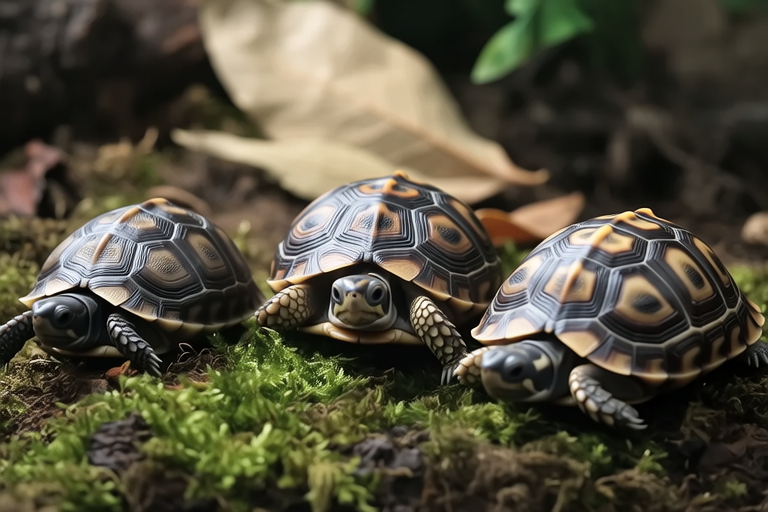
The Ultimate Journey into the World of Three-Striped Box Turtles: From Hatchling to Adult
Three-striped box turtles (Chrysemys picta bellii) are among the most captivating reptiles found in North America. Known for their distinct three yellow stripes on each side of their head, these turtles are a joy to observe, both in the wild and as pets. This article delves into the world of three-striped box turtles, covering their unique characteristics, habitats, life cycles, dietary needs, and much more. We will also explore responsible pet ownership, common health issues, and the importance of conservation.
Unique Characteristics and Habitat
Three-striped box turtles are small to medium-sized turtles that typically grow up to 6 inches in length. They are named for the three yellow stripes running down each side of their heads, which serve as camouflage in their natural environment. Their shells are dome-shaped and offer protection from predators. The carapace (upper shell) is usually dark brown or black, while the plastron (lower shell) has a distinctive hinge that allows them to completely close their shells when threatened.
Natural habitats for three-striped box turtles include forests, meadows, and wetlands. They prefer areas with dense vegetation, fallen logs, and plenty of hiding spots. These turtles are semi-aquatic, meaning they spend part of their time in water and part on land. Their ability to thrive in various environments makes them adaptable, but it also means they require specific conditions to survive.
Life Cycle: From Hatchling to Adult
Hatchlings
When three-striped box turtles hatch, they are about the size of a quarter and weigh less than half an ounce. Newborns have a soft, leathery shell that hardens over time. At this stage, their primary goal is to find shelter and food. Hatchlings are vulnerable to predators such as birds, raccoons, and other small mammals. Therefore, they rely heavily on their instinctive behavior to seek out safe places like under rocks or within leaf litter.
The diet of young box turtles consists mainly of insects, worms, and other small invertebrates. As they grow, their diet gradually shifts towards more plant-based foods, including fruits, vegetables, and flowers. This change in diet helps them develop strong digestive systems capable of processing fibrous plant material.
Growth Patterns
Three-striped box turtles grow relatively slowly, reaching maturity between 5 to 10 years old. During this period, they undergo significant physical changes. Their shells become harder and more robust, providing better protection against predators. Additionally, their limbs strengthen, allowing them to dig burrows and move more efficiently through their environment.
As adults, males tend to be slightly larger than females, with longer tails and concave plastrons designed for mating. Females, on the other hand, possess broader, flatter shells suited for laying eggs. Both sexes exhibit vibrant colors, particularly around their eyes and jaws, making them visually striking creatures.
Dietary Needs and Environmental Requirements
Adult three-striped box turtles maintain a varied diet comprising both animal and plant matter. In captivity, owners should provide a balanced mix of commercial turtle pellets, fresh fruits and vegetables, insects, and occasional treats like mealworms or earthworms. Ensuring proper nutrition is crucial for maintaining good health and longevity.
Environmental requirements for these turtles include access to both terrestrial and aquatic areas within their enclosure. Water should be shallow enough for easy entry and exit but deep enough for swimming. Land areas should mimic natural settings with plenty of hiding spots, basking sites, and opportunities for digging.
Tips for Responsible Ownership
If you’re considering keeping a three-striped box turtle as a pet, there are several factors to consider:
- Legal Considerations: Some regions have strict regulations regarding the keeping of wild animals as pets. Always check local laws before purchasing or adopting one.
- Enclosure Size: Provide ample space for your turtle to move around comfortably. A minimum enclosure size of 4 feet by 2 feet is recommended for a single adult.
- Temperature Control: Maintain temperatures between 75°F and 85°F during the day and allow nighttime temperatures to drop slightly to simulate natural diurnal cycles.
- UV Lighting: Install full-spectrum UVB lighting to promote calcium absorption and prevent metabolic bone disease.
- Water Quality: Regularly clean and filter water to ensure optimal hygiene and prevent bacterial infections.
Common Health Issues and Care Practices
Despite being hardy creatures, three-striped box turtles can suffer from various health problems if not cared for properly. Common issues include respiratory infections, shell rot, and parasites. Signs of illness may include lethargy, loss of appetite, swollen eyes, nasal discharge, or irregular shell coloration.
To prevent these ailments, maintain cleanliness in the enclosure, monitor temperature and humidity levels closely, and schedule regular veterinary check-ups. Quarantine new additions to the collection to avoid introducing pathogens into the existing population.
Contribution to Ecosystem and Conservation Efforts
Three-striped box turtles play vital roles within their ecosystems. As omnivores, they help control insect populations and disperse seeds through their droppings. Their presence also indicates healthy habitats, serving as indicators of environmental quality.
Unfortunately, these turtles face numerous threats, including habitat destruction, illegal poaching, and road mortality. Conservation efforts focus on protecting natural habitats, implementing captive breeding programs, and raising awareness about the importance of preserving native wildlife. By supporting these initiatives, we can ensure the continued survival of three-striped box turtles and the ecosystems they inhabit.
In conclusion, three-striped box turtles are fascinating creatures worthy of admiration and respect. Understanding their unique characteristics, life cycles, dietary needs, and environmental requirements provides valuable insight into how best to care for them. Whether enjoyed in the wild or as cherished companions, these turtles bring joy and wonder to those fortunate enough to encounter them. Let us work together to protect and conserve these remarkable reptiles for future generations.