
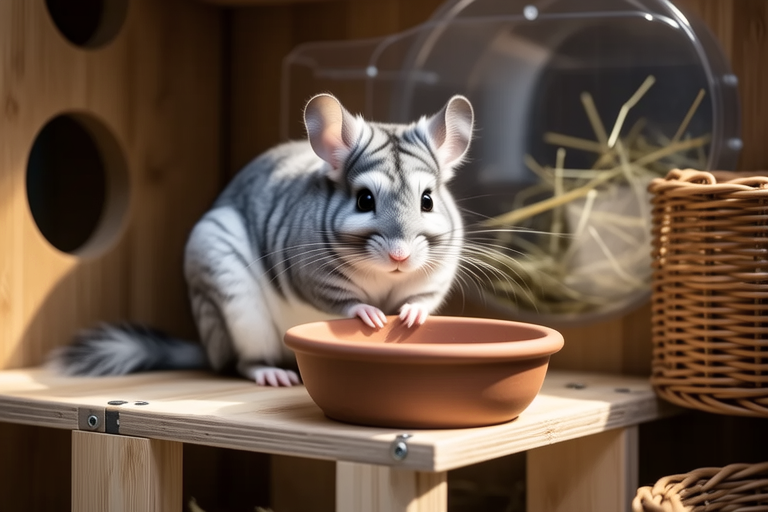
How to Create the Perfect Habitat for Your New Chinchilla Pal
Welcome to the wonderful world of chinchillas! These adorable, fluffy rodents are known for their soft, luxurious fur and playful personalities. As a new chinchilla owner, it’s important to provide your pet with a comfortable, safe, and stimulating environment that meets all its needs. This comprehensive guide will walk you through the steps of creating the perfect habitat for your new chinchilla pal.
Selecting an Appropriate Cage Size
The first step in creating a perfect habitat for your chinchilla is choosing the right cage. A spacious cage is crucial because chinchillas are active creatures that need room to move around, play, and explore. Ideally, the cage should be at least 36 inches wide, 24 inches deep, and 24 inches high. However, if you have the space, a larger cage would be even better. Remember, bigger is always better when it comes to chinchilla cages.
Adequate floor space is also important; chinchillas are prone to developing bumblefoot, a condition caused by standing on hard surfaces for too long. Providing a large area for your chinchilla to run and jump helps prevent this issue. In addition to ample space, consider the height of the cage. Chinchillas love to climb and leap, so a tall cage with multiple levels will keep them entertained and stimulated.
Materials for Bedding
Choosing the right bedding is essential for your chinchilla’s health and comfort. Avoid cedar and pine shavings as they can irritate your chinchilla’s respiratory system and cause allergies. Instead, opt for dust-free bedding such as paper-based products or aspen shavings. These materials are safer and more comfortable for your chinchilla. Additionally, ensure the bedding is free from any chemicals or artificial fragrances that could harm your pet.
Chinchillas also enjoy nesting and burrowing, so providing soft nesting material like fleece or cotton wool can enhance their comfort. Just make sure these materials are free from any dyes or treatments that could be harmful if ingested. It’s important to change the bedding regularly to maintain cleanliness and prevent odors.
Temperature and Humidity Control
Chinchillas originate from the Andes Mountains in South America, where the climate is cool and dry. They are highly sensitive to heat and humidity, so maintaining the right environmental conditions is crucial for their well-being. The ideal temperature range for chinchillas is between 60°F and 70°F (15°C to 21°C). Temperatures above 80°F (27°C) can lead to heatstroke, which is potentially life-threatening for these small animals.
To help regulate the temperature, provide your chinchilla with a ceramic heat lamp or a cooling pad. Always place the heat source outside the cage to avoid burns. Additionally, ensure the cage is placed away from direct sunlight and heat sources like radiators or fireplaces. If the room becomes too warm, you can use a fan to circulate the air and lower the temperature.
Maintaining low humidity levels is equally important. Chinchillas have very dense fur, which makes them susceptible to fungal infections if the environment is too moist. Aim for a humidity level below 40%. You can use a dehumidifier if necessary to achieve this. Regularly monitor the temperature and humidity levels using a thermometer and hygrometer to ensure optimal conditions.
Proper Ventilation
Good ventilation is vital for your chinchilla’s respiratory health. Chinchillas breathe rapidly, and poor air circulation can lead to respiratory issues. Ensure the cage has adequate ventilation by including wire mesh panels or bars that allow fresh air to flow freely. Avoid solid walls or plastic panels that can trap moisture and restrict airflow.
If you live in an area with high humidity, consider adding a small fan to the room to improve air circulation. However, be cautious not to place the fan directly on the cage, as this can cause drafts that may chill your chinchilla. Position the fan so it blows air across the room rather than directly onto the cage.
Necessary Toys and Hiding Spots
Chinchillas are intelligent and curious animals that thrive on mental stimulation. Providing a variety of toys and hiding spots will keep them engaged and happy. Suitable toys include wooden chew blocks, tunnels, and platforms. Chinchillas love to gnaw, so offering untreated wood or cardboard blocks helps wear down their constantly growing teeth and prevents dental problems.
Hiding spots are also important for your chinchilla’s emotional well-being. These can be made from cardboard boxes, fabric tunnels, or commercially available hideouts. Chinchillas enjoy having a cozy place to retreat to when they feel overwhelmed or want some alone time. Make sure the hiding spots are easy to clean and replace if necessary.
In addition to toys and hiding spots, consider adding exercise wheels to the cage. Chinchillas enjoy running and getting exercise, but choose wheels with solid surfaces to prevent injury. Avoid wheels with open sides or wire rungs, as these can cause leg injuries.
Dietary Considerations
A balanced diet is essential for your chinchilla’s overall health and longevity. The main component of their diet should be high-quality chinchilla pellets, which provide the necessary nutrients, vitamins, and minerals. Offer unlimited access to timothy hay, as it aids digestion and promotes dental health. Fresh water should be available at all times, and you can use a water bottle attached to the side of the cage.
Treats should be given sparingly, as they can upset your chinchilla’s digestive system. Safe treats include raisins, dried rose hips, and chinchilla-safe fruits and vegetables. Avoid feeding your chinchilla foods that are high in sugar, fat, or salt, as these can lead to obesity and other health issues. Always introduce new foods gradually to avoid digestive upset.
Cleaning Schedules
Regular cleaning is crucial for maintaining a healthy and hygienic environment for your chinchilla. Remove soiled bedding daily and spot-clean the cage as needed. Perform a thorough cleaning of the entire cage every week, including washing all accessories and replacing the bedding. Use mild, unscented soap and water for cleaning, and ensure everything is completely dry before returning it to the cage.
Sanitation is especially important during the breeding season or if your chinchilla is showing signs of illness. Pay extra attention to areas where your chinchilla spends most of its time, such as its sleeping quarters and feeding areas. By keeping the cage clean, you reduce the risk of infections and create a pleasant living environment for your pet.
Safety Precautions
Ensuring the safety of your chinchilla is paramount. Place the cage in a secure location, away from areas where children or other pets might disturb it. Cover the cage with a mesh top to prevent escape and protect your chinchilla from predators. Be mindful of potential hazards within the room, such as electrical cords or toxic plants, and keep them out of reach.
Regularly inspect the cage and its components for any signs of wear or damage. Replace any unsafe items immediately. Supervise your chinchilla during playtime outside the cage to prevent accidents. Provide a soft landing surface, such as a towel or blanket, in case your chinchilla jumps off a perch or platform.
Creating the perfect habitat for your chinchilla requires careful consideration of various factors, including cage size, bedding, temperature and humidity control, ventilation, toys, diet, cleaning schedules, and safety precautions. By following these guidelines, you’ll provide your new chinchilla pal with a comfortable, stimulating, and safe environment that promotes good health and happiness. With proper care and attention, your chinchilla will thrive in its new home, bringing joy and companionship to your household.