
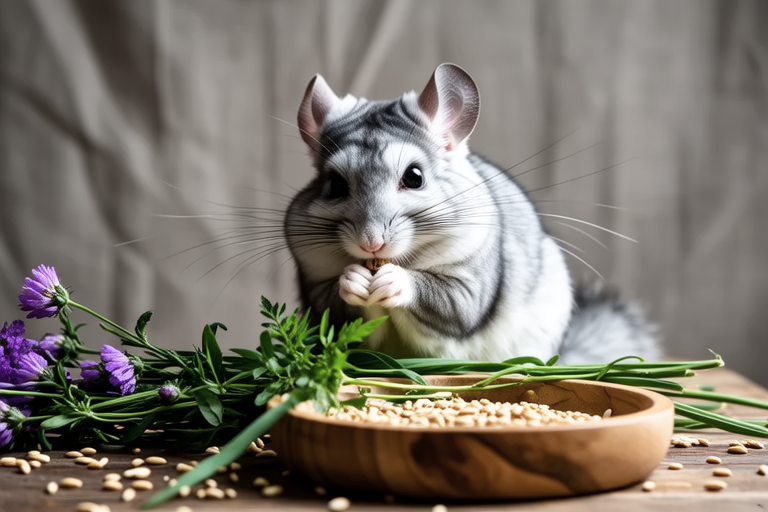
Chinchilla Diet Decoded: What Every Owner Needs to Know
Welcome to the world of chinchillas! These adorable, fluffy rodents are native to the Andes Mountains in South America and have become popular pets due to their unique appearance and charming personalities. Chinchillas are known for their soft fur and require specific care, particularly regarding their diet. Understanding what your chinchilla should eat is crucial for their health and well-being. This guide will help you decode the chinchilla diet and provide you with all the information you need to ensure your pet enjoys a balanced and nutritious diet.
The Basics of Chinchilla Dietary Needs
Chinchillas are herbivores, which means their diet consists primarily of plant-based foods. In the wild, they feed on grasses, herbs, and other vegetation found at high altitudes. As pets, their diet should mimic this natural diet as closely as possible. A balanced diet for chinchillas includes hay, pellets, fresh vegetables, and fruits, along with clean water. It’s essential to understand the role each component plays in their diet to ensure your chinchilla stays healthy and happy.
The Importance of Hay in Their Diet
Hay forms the cornerstone of a chinchilla’s diet. It provides necessary fiber, aids digestion, and helps maintain dental health by wearing down continuously growing teeth. There are two main types of hay suitable for chinchillas: timothy hay and alfalfa hay. Timothy hay is lower in calcium and calories, making it ideal for adult chinchillas. Alfalfa hay, rich in calcium, is more appropriate for younger chinchillas or those needing extra nutrition, such as pregnant or nursing females. Always ensure the hay is fresh, free from mold, and available in unlimited quantities to allow your chinchilla to graze throughout the day.
The Role of Pellets in a Chinchilla’s Diet
Pellets are another essential part of a chinchilla’s diet, providing vitamins, minerals, and additional nutrients not fully covered by hay alone. When selecting pellets, look for high-quality brands that use natural ingredients without artificial colors, flavors, or preservatives. Avoid pellets containing seeds or nuts, as these can lead to obesity and other health issues. Opt for pellets specifically formulated for chinchillas, as these are designed to meet their nutritional requirements. Feed your chinchilla a small amount of pellets daily, following the recommended serving size on the packaging.
Fresh Vegetables and Fruits: Safe Options and Serving Sizes
In addition to hay and pellets, chinchillas can enjoy fresh vegetables and fruits as occasional treats. However, it’s important to introduce these foods carefully and in moderation. Some safe vegetable options include leafy greens like romaine lettuce, bok choy, and carrot tops. Fruits can be offered sparingly, with choices like strawberries, blueberries, and apple slices. Serve these treats in small portions, no more than one teaspoon per day, to avoid digestive upset or obesity. Always wash produce thoroughly before offering it to your chinchilla.
Water Intake and Hygiene
Hydration is vital for chinchillas, especially since they don’t drink much water compared to other animals. Provide fresh, clean water daily in a water bottle with a metal sipper tube. Regularly check the water level and clean the bottle to prevent bacterial growth. Chinchillas may also obtain moisture from their food, so ensuring a constant supply of fresh hay and pellets is crucial. Proper hygiene practices extend beyond just water; keep the cage clean and dry to prevent infections and promote overall health.
Avoiding Common Feeding Mistakes
Misunderstandings about chinchilla diets can lead to serious health problems. One common mistake is overfeeding pellets, which can cause obesity and related diseases. Another is feeding inappropriate foods, such as high-sugar fruits or fatty seeds, which can disrupt digestion and lead to weight gain. Additionally, some owners mistakenly believe that chinchillas can eat any type of hay, but alfalfa hay should only be given to young or special-needs chinchillas. By being informed and cautious, you can prevent these errors and ensure your chinchilla maintains a healthy weight and digestive system.
Maintaining a Balanced Diet for Optimal Health and Longevity
To ensure your chinchilla lives a long and healthy life, it’s crucial to maintain a balanced diet. Focus on providing high-quality hay and pellets, supplemented with occasional fresh vegetables and fruits. Monitor your chinchilla’s weight and adjust portion sizes accordingly. Pay attention to changes in eating habits or physical condition, as these could indicate underlying health issues. Regular veterinary check-ups are also essential for early detection and treatment of potential problems. By adhering to these guidelines, you’ll give your chinchilla the best chance at a long, happy life.
In conclusion, understanding and implementing a proper diet is key to keeping your chinchilla healthy and thriving. With the right balance of hay, pellets, fresh produce, and clean water, you’ll be providing your furry friend with everything they need for optimal health and longevity. Remember, every chinchilla is unique, so tailor their diet to suit their individual needs while always prioritizing their well-being. Happy chinchilla parenting!