
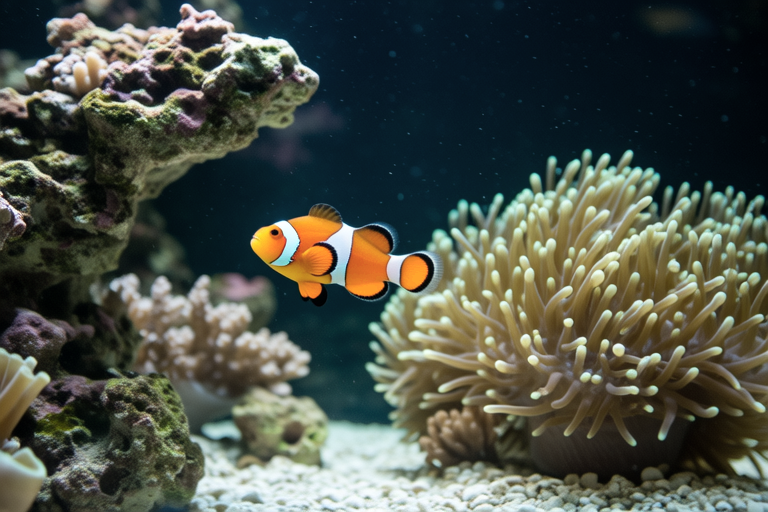
7 Creative DIY Ideas to Enhance Your Clownfish Aquarium Environment
Welcome to the world of clownfish keeping! These vibrant and fascinating creatures are popular among aquarists for their unique behavior and striking appearance. Creating a thriving environment for your clownfish involves more than just setting up a tank; it’s about building a natural habitat that mimics their ocean home. This article offers seven creative DIY ideas to enhance your clownfish aquarium, ensuring your fish live happy, healthy lives. Whether you’re a beginner or an experienced aquarist, these projects will provide practical, easy-to-follow steps to improve your aquarium setup.
1. Crafting a Natural Coral Reef Landscape
Clownfish thrive in environments that closely resemble their natural coral reef habitats. To create a realistic and enriching landscape, start by selecting artificial corals and rocks that mimic the complexity of a reef. Arrange these items to form caves, overhangs, and tunnels, offering your clownfish multiple hiding spots and swimming paths.
To add an extra layer of realism, consider incorporating live rock into your setup. Live rock provides beneficial bacteria that help maintain water quality and promote a stable ecosystem. It also adds nooks and crannies where clownfish can explore and hide. When arranging your coral and rocks, ensure there’s enough space between them for water circulation and easy cleaning.
The benefits of this DIY project extend beyond aesthetics. A well-designed reef landscape encourages natural behaviors, such as territorial displays and mating rituals, which are essential for the overall well-being of your clownfish. Additionally, the increased surface area provided by rocks and corals enhances biological filtration, contributing to better water quality.
2. Building a Custom Anemone Replica
In the wild, clownfish have a symbiotic relationship with sea anemones. While maintaining a live anemone in a home aquarium can be challenging, creating a custom replica provides a safe alternative that still satisfies your clownfish’s instinctual need for shelter. Begin by selecting a sturdy, non-toxic material like silicone or epoxy putty to sculpt your anemone. Shape it to resemble a real anemone, paying attention to details like tentacles and textures.
Once your anemone is complete, paint it with non-toxic, water-resistant paints to achieve the desired coloration. You can even add some glitter or mica powder to simulate bioluminescence. Secure the replica to the aquarium glass or substrate using aquarium-safe silicone adhesive. Position it near a powerhead or filter outlet to create gentle water flow, mimicking the current found around an actual anemone.
This DIY project not only provides a visually appealing addition to your aquarium but also offers your clownfish a sense of security and comfort. The anemone replica serves as a focal point for territorial behavior and can encourage natural interactions between your clownfish and other tank inhabitants.
3. Creating a DIY Waterfall Filter
A waterfall filter not only adds visual appeal to your aquarium but also promotes water circulation and oxygenation, crucial for maintaining optimal water quality. Start by constructing a small reservoir or tray that sits above your aquarium. Ensure it has a secure base and is level to prevent leaks. Next, attach a submersible pump to the reservoir, positioning it so the water flows over the edge and back into the tank.
To enhance the aesthetic of your waterfall, consider incorporating decorative elements like pebbles, driftwood, or artificial plants around the reservoir. These additions will help conceal the pump and create a more natural-looking cascade. Regularly clean the pump and reservoir to prevent debris buildup and ensure efficient water flow.
The benefits of a DIY waterfall filter include improved water movement, which helps distribute oxygen throughout the tank, and enhanced filtration by trapping particles in the reservoir before they settle in the main aquarium. Additionally, the gentle sound of flowing water can reduce stress for your clownfish and create a soothing atmosphere for you as well.
4. Designing Interactive Feeding Stations
Interactive feeding stations encourage natural hunting behaviors, stimulating mental and physical activity in your clownfish. Create a simple feeding station by attaching a small PVC pipe or plastic tube to the side of your aquarium. Drill small holes along the length of the pipe to release food pellets or flakes gradually. Alternatively, you can suspend a weighted mesh bag filled with food at various heights within the tank.
For an added challenge, incorporate puzzle feeders or treat dispensers that require your clownfish to manipulate objects to access their meals. These devices stimulate problem-solving skills and keep your fish engaged during feeding times. Ensure any DIY feeding device is securely anchored to prevent damage to your aquarium setup.
Interactive feeding stations offer numerous benefits for your clownfish. They promote healthy eating habits by encouraging natural foraging behaviors and reducing the risk of overfeeding. Additionally, these setups provide mental stimulation, which can help alleviate boredom and stress, leading to happier, more active fish.
5. Constructing a Floating Mangrove Nursery
Mangroves play a vital role in many marine ecosystems, providing shelter and breeding grounds for countless species. Replicating this environment in your aquarium can significantly enhance the living conditions for your clownfish. Start by selecting mangrove roots or branches from reputable suppliers. These should be treated and sanitized to remove any harmful organisms.
Secure the mangrove branches to the top of your aquarium using aquarium-safe silicone adhesive. Position them so they dangle into the water, creating a shaded area and providing additional hiding spots for your clownfish. Over time, you can introduce live mangrove propagules, which will grow and further develop the nursery-like environment.
The benefits of a floating mangrove nursery are numerous. It creates a more complex and interesting habitat for your clownfish, offering additional hiding places and enhancing water quality through natural filtration. Additionally, the shaded areas provided by the mangroves can serve as a retreat for your fish, helping to reduce stress and promote relaxation.
6. Adding Aquascaping Elements for Enrichment
Aquascaping refers to the art of arranging aquatic plants, rocks, and other decorations to create a visually appealing and functional underwater landscape. Incorporate elements like driftwood, smooth river rocks, and aquatic plants to create distinct zones within your aquarium. Arrange these items to form natural-looking formations, such as hills, valleys, and meandering streams.
When selecting plants, choose hardy species that can thrive in saltwater environments, such as Cabomba or Java fern. Ensure adequate lighting and nutrient levels to support plant growth. Aquascaping not only improves the aesthetics of your aquarium but also provides enrichment opportunities for your clownfish.
The benefits of aquascaping include creating a more dynamic and engaging environment for your clownfish, encouraging exploration and territorial behavior. Additionally, the presence of plants contributes to water quality by absorbing nutrients and producing oxygen. Properly maintained aquascapes can significantly enhance the overall health and happiness of your fish.
7. Implementing a Saltwater Refugium
A refugium is a separate, enclosed area within your aquarium system designed to provide a sanctuary for beneficial organisms and promote water quality. Construct a small, opaque container, such as a plastic storage bin, and position it below your main aquarium. Connect it to the main tank using airline tubing and a sump overflow system.
Fill the refugium with live sand and macroalgae, such as Caulerpa or Halimeda. These elements provide a natural filtration system, removing excess nutrients from the water and stabilizing pH levels. The refugium also serves as a breeding ground for copepods and amphipods, tiny crustaceans that can serve as supplemental food for your clownfish.
The benefits of a saltwater refugium are extensive. It enhances water quality by reducing nitrate and phosphate levels, promoting a stable and healthy environment for your clownfish. Additionally, the presence of live sand and macroalgae creates a rich ecosystem that supports biodiversity and encourages natural behaviors, contributing to the overall well-being of your fish.
Conclusion
Enhancing your clownfish aquarium environment doesn’t have to be complicated or expensive. By implementing these seven DIY projects, you can create a thriving habitat that closely resembles the natural coral reef homes of clownfish. Each project offers practical solutions to common challenges faced by aquarists, from improving water quality to encouraging natural behaviors. With a little creativity and effort, you can provide your clownfish with a stimulating, enriching environment that promotes their health and happiness.