
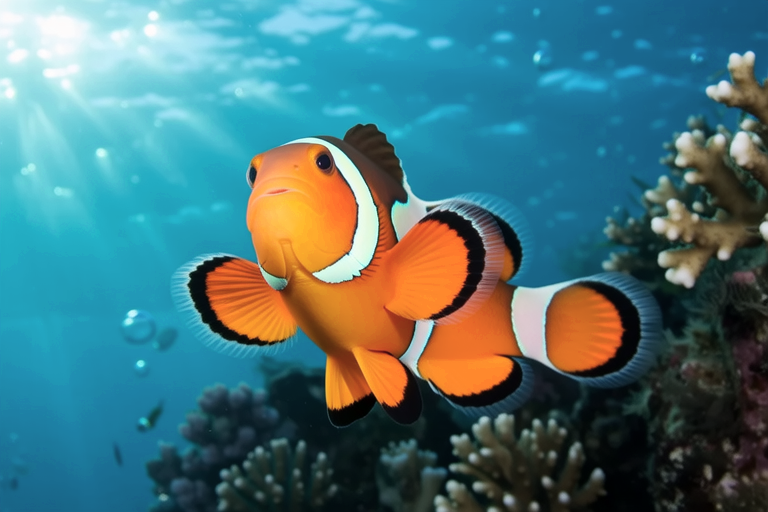
Adorable Clownfish: Nature’s Brightest Underwater Comedians
Welcome to the enchanting world of the clownfish, one of the most beloved and recognizable inhabitants of the ocean. These tiny, vibrant creatures have captured the hearts of many with their bright colors and quirky behavior. The clownfish, also known as anemonefish, are small, saltwater fish that belong to the family Pomacentridae. With their distinct orange and white stripes and striking black outlines, they stand out in the vast blue expanse of the ocean. Their unique appearance is just the beginning of their charm; these little fish have much more to offer, both in terms of their role in marine ecosystems and their fascinating behavior.
Natural Habitat and Symbiotic Relationship
Clownfish are native to warm waters of the Pacific and Indian Oceans, primarily residing in shallow lagoons and coral reefs. They thrive in the tropical and subtropical regions, where they can find their preferred home among the tentacles of sea anemones. The relationship between clownfish and sea anemones is a prime example of symbiosis in nature. Clownfish live among the stinging tentacles of the anemone, which provide them protection from predators. In return, the clownfish drive away butterfly fish, which would otherwise feed on the anemone, and they also attract other fish to the anemone by their movements, providing additional food for the anemone.
Contributions to Marine Ecosystems
These little fish play a crucial role in maintaining the health of their ecosystems. By feeding on algae and other small organisms, they help keep the coral reefs clean and healthy. Additionally, their presence in the reef attracts larger fish, which, in turn, brings more nutrients into the ecosystem. This creates a cycle of life that benefits all marine organisms living within the reef.
Behavior: Nature’s Underwater Comedians
Clownfish are often referred to as the ‘comedians’ of the underwater world due to their playful antics and curious nature. They are known for their fearless behavior, swimming confidently through the tentacles of their host anemone and even touching the tips of the tentacles with their fins. This fearless behavior has earned them the nickname ‘clownfish,’ as they seem to be constantly putting on a show for divers and snorkelers alike. They are also highly social creatures, often living in groups within a single anemone. Their interactions with each other are full of playfulness and curiosity, making them a delight to watch.
Breeding Habits and Parental Care
The breeding habits of clownfish are nothing short of fascinating. They are hermaphrodites, meaning they can function as both males and females. Within each group, there is usually only one dominant female and one male. When the female dies, the male undergoes a transformation to become the new dominant female, and the next largest fish in the group becomes the new male. This ensures the continuity of the group and the survival of the species.
Clownfish are devoted parents, and both the male and female take turns caring for their eggs. After the female lays the eggs, the male will guard them until they hatch, fanning them with his fins to ensure a steady supply of oxygenated water. Once the eggs hatch, the larvae float freely in the ocean for several weeks before settling on a suitable anemone. The young clownfish then join the group, and the cycle continues.
The Importance of Protecting Clownfish and Their Habitats
Despite their popularity and importance to marine ecosystems, clownfish face numerous threats, including habitat destruction, climate change, and overfishing. Coral reefs, the primary habitat of clownfish, are under threat due to rising ocean temperatures and acidification. As the oceans warm, coral bleaching occurs, leading to the death of coral reefs and the loss of habitat for clownfish and other marine organisms. Additionally, overfishing and pollution are degrading the quality of the ocean environment, further endangering the survival of clownfish.
Protecting clownfish and their habitats is essential for maintaining the balance of marine ecosystems. Conservation efforts, such as creating marine protected areas and promoting sustainable fishing practices, can help safeguard the future of clownfish and the diverse array of marine life that depends on them. By raising awareness about the importance of these little fish and their role in the ocean, we can inspire action to protect their homes and ensure their continued existence.
In conclusion, clownfish are more than just colorful, playful creatures; they are vital components of marine ecosystems. Their vibrant colors, intriguing behaviors, and unique relationships with sea anemones make them a favorite among marine enthusiasts. However, it is crucial to recognize the threats they face and take action to protect them and their habitats. By supporting conservation efforts and promoting sustainable practices, we can ensure that these adorable underwater comedians continue to brighten our oceans for generations to come.