
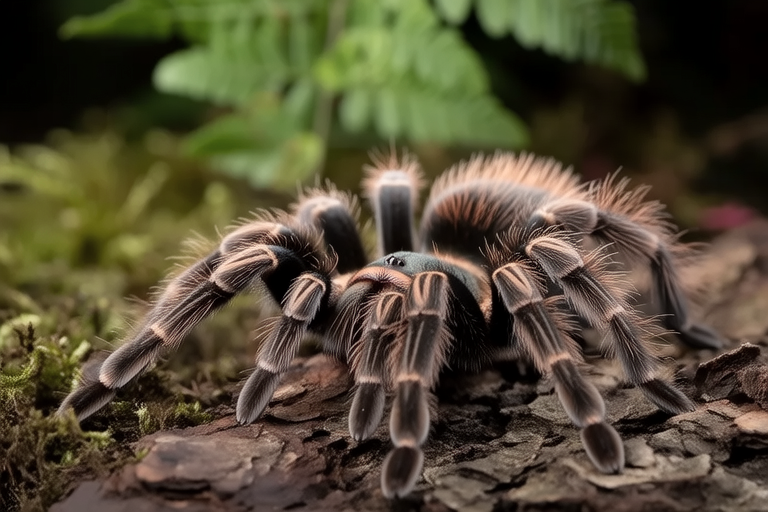
Exploring Misconceptions About Tarantulas
Tarantulas have long been misunderstood, often portrayed as aggressive, venomous creatures that pose a significant threat to humans. However, these large spiders are generally docile and play an important role in their ecosystems. This article aims to dispel some of the common myths surrounding tarantulas by examining their behavior, venom potency, habitat, and interactions with their environment.
The Behavior of Tarantulas
Tarantulas belong to the family Theraphosidae, which includes over 900 species found worldwide. Despite their intimidating appearance, most tarantulas are shy and reclusive, preferring to avoid confrontation. They are primarily nocturnal, spending their days hidden in burrows or among vegetation. When threatened, tarantulas may display defensive behaviors such as rearing up on their hind legs, flicking urticating hairs from their abdomen, or biting if necessary.
Studies have shown that tarantulas rarely initiate attacks on humans. In fact, many tarantula species are quite gentle and can be handled safely by experienced handlers. For example, the Mexican redknee tarantula (Buthus mexicanus) is commonly kept as a pet due to its docile nature and striking appearance. These spiders are known for their bright red knees and calm demeanor, making them popular among arachnid enthusiasts.
Venom Potency Compared to Common Insects
One of the most prevalent misconceptions about tarantulas is their deadly venom. While it is true that tarantulas possess venom glands, the potency of their venom varies widely between species. Most tarantula bites are comparable to bee stings, causing localized pain, swelling, and redness. In rare cases, individuals with allergic reactions may experience more severe symptoms.
In comparison to other common insects, tarantulas’ venom is relatively mild. For instance, the venom of the black widow spider (Lactrodectus spp.) is significantly more potent than that of most tarantula species. Similarly, the venom of certain wasps and bees can cause more severe reactions in humans than that of tarantulas. Therefore, the fear associated with tarantula bites is largely unfounded, especially when considering the potential dangers posed by other insects.
Rarity of Serious Incidents Involving Humans
Despite their fearsome reputation, serious incidents involving tarantulas and humans are extremely rare. According to a study published in the Journal of Arachnology, there have been fewer than 100 reported cases of tarantula bites resulting in hospitalization over the past century. Most of these cases involved individuals who had provoked the spider or were handling it improperly.
Furthermore, no deaths have ever been attributed to tarantula bites. Even in cases where individuals have experienced severe allergic reactions, prompt medical attention has typically resulted in full recovery. This statistic underscores the relative safety of tarantulas and highlights the importance of proper education and respect for these creatures.
Variety of Tarantula Species and Their Habitats
There are numerous tarantula species, each adapted to specific environmental conditions. Some species, like the Brazilian wandering spider (Cupiennius salei), are terrestrial and roam freely across the forest floor, while others, such as the pinkfooted tarantula (Aphonopelma chalcodes), are burrow-dwelling and spend most of their time underground.
Their habitats range from deserts to rainforests, and they can be found on every continent except Antarctica. Some species, such as the Chilean rose tarantula (Grammostola rosea), are well-suited to captivity and are often kept as pets. Others, like the Goliath birdeater (Theraphosa blondi), are less common in captivity due to their size and specialized care requirements.
Defensive Mechanisms and Interaction with Environment
Tarantulas have evolved several effective defensive mechanisms to protect themselves from predators. One of the most notable is the use of urticating hairs, which are small, barbed structures located on the abdomen. When threatened, tarantulas can flick these hairs at potential attackers, causing irritation and discomfort. In some cases, these hairs can also blind or incapacitate smaller predators.
In addition to their physical defenses, tarantulas rely heavily on their environment for protection. Many species construct elaborate burrows, camouflaging the entrance to avoid detection. Others, like the golden orb-weaver (Nephila clavipes), spin intricate webs to ensnare prey and deter unwanted visitors. These adaptations demonstrate the remarkable ability of tarantulas to thrive in diverse environments while minimizing contact with humans.
Real-World Examples and Studies
Several studies have investigated the impact of tarantulas on human health and safety. A 2018 study published in the Zoological Journal of the Linnean Society examined bite records from tarantula owners and found that the vast majority of bites occurred during improper handling. The study concluded that with proper precautions, the risk of injury from tarantulas can be minimized.
Another example comes from a case study published in the Journal of Emergency Medicine. In this report, a man was bitten by a Chilean rose tarantula while attempting to remove it from his home. Although he experienced localized pain and swelling, the incident did not require hospitalization. The study emphasized the importance of seeking professional assistance when dealing with potentially dangerous animals.
Advice for Those Who May Encounter Tarantulas
For those who encounter tarantulas in the wild or as pets, it is essential to approach them with caution and respect. If you find a tarantula in your home, it is best to leave it alone or contact a professional for removal. Handling tarantulas requires specialized knowledge and equipment to ensure both the safety of the handler and the spider.
When keeping tarantulas as pets, it is crucial to provide appropriate housing, diet, and care. A well-maintained enclosure with suitable substrate, hiding places, and temperature/humidity levels can help prevent stress and aggression. Additionally, always handle tarantulas gently and avoid sudden movements that could provoke a defensive response.
By understanding the true nature of tarantulas and adopting responsible practices, we can coexist peacefully with these fascinating creatures. Remember that tarantulas are valuable members of their ecosystems, helping to control insect populations and contributing to biodiversity. With proper education and respect, encounters with tarantulas can be safe and even rewarding experiences.