
Amazing Facts About Leopard Geckos That Will Make You Fall in Love
Leopard geckos have captured the hearts of reptile enthusiasts around the world with their unique appearance, easy care requirements, and fascinating behaviors. These small lizards offer a delightful experience for both beginners and experienced herpetologists alike. In this article, we will explore some amazing facts about leopard geckos that will make you fall in love with these charming creatures.
The Unique Appearance of Leopard Geckos
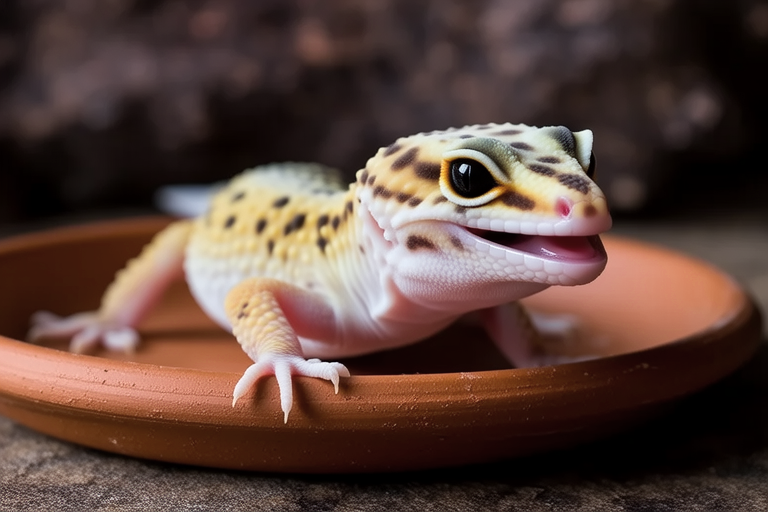
Leopard geckos are known for their striking appearance, which includes zebra-like striping and a wide range of color variations. Their skin is covered in tiny bumps, giving them a rough texture that helps them blend into their natural habitat. The geckos’ eyes are large and round, providing excellent night vision, which is crucial for their nocturnal lifestyle. Their tail is also a standout feature, resembling a fat, stubby cylinder that can store nutrients and fat reserves.
One of the most distinctive features of leopard geckos is their coloration. While the standard color is yellow with black spots, there are numerous morphs and color variations available. Some of the most popular morphs include albino, jungle, high yellow, snow, and patternless. These variations result from selective breeding and genetic mutations, making each leopard gecko truly one-of-a-kind.
Care Requirements: Low-Maintenance Pets
Leopard geckos are often considered one of the easiest reptiles to care for, making them ideal for first-time reptile owners. Their care requirements are relatively simple compared to other species, allowing owners to focus on enjoying their pet rather than worrying about complex maintenance tasks.
Leopard geckos require a temperature gradient within their enclosure, with a warm side ranging between 88°F and 90°F (31°C to 32°C) and a cool side between 75°F and 80°F (24°C to 27°C). A heat lamp or ceramic heat emitter can be used to maintain these temperatures. It’s essential to provide a hiding spot on both the warm and cool sides to allow your gecko to regulate its body temperature.
Humidity levels should be kept low, around 30-40%, to prevent respiratory infections. Leopard geckos absorb moisture through their skin, so it’s important to mist the enclosure occasionally but avoid creating a damp environment. Substrate options include paper towels, reptile carpet, or calcium sand, which mimics their natural habitat without the risk of impaction.
Feeding leopard geckos is straightforward. They are insectivores, meaning their diet consists mainly of live insects like crickets, mealworms, and dubia roaches. It’s essential to dust the insects with a calcium and vitamin D3 supplement before feeding to ensure your gecko receives adequate nutrition. Feeding frequency depends on the age and size of your gecko, but typically, juveniles need to eat every day, while adults can be fed every two to three days.
Behavior: Nocturnal and Docile Nature
Leopard geckos are primarily nocturnal, meaning they are most active during the night. This behavior is an adaptation to their natural habitat, where daytime temperatures can become too hot for comfort. As a result, leopard geckos spend most of their time resting during the day and hunting for food at night. Their large eyes and keen sense of smell allow them to navigate their environment and locate prey in low-light conditions.
Despite their wild origins, leopard geckos are generally docile and gentle pets. They rarely bite and are comfortable being handled by their owners. However, it’s important to handle them gently and avoid sudden movements that might startle them. Leopard geckos communicate through various behaviors, including head bobbing, tail wagging, and arm waving. These actions are usually displays of dominance or courtship, especially during mating season.
Diet and Shedding Process
Leopard geckos have a fascinating diet and shedding process that contributes to their overall health and well-being. As insectivores, they rely on a variety of protein-rich foods to meet their nutritional needs. In addition to crickets and mealworms, leopard geckos can also enjoy waxworms, super worms, and feeder insects like hornworms. It’s important to offer a diverse diet to ensure your gecko receives all necessary nutrients.
One of the most remarkable aspects of leopard gecko biology is their ability to shed their skin. Unlike snakes, which shed their entire skin in one piece, leopard geckos shed their skin in patches. Before shedding, their skin becomes dull and opaque, indicating that the old skin is ready to come off. During this time, it’s essential to provide a humid hide box filled with moist substrate to help the gecko shed properly. After shedding, the gecko will eat its old skin to recycle nutrients.
Tail-Dropping Defense Mechanism
One of the most intriguing aspects of leopard gecko biology is their tail-dropping defense mechanism. When threatened, leopard geckos can voluntarily detach their tails as a distraction to escape predators. The detached tail continues to wiggle, drawing the predator’s attention away from the gecko. This survival strategy allows the gecko to escape unharmed, although regrowing the tail takes time and energy.
It’s important to note that tail loss can be stressful for the gecko and may indicate that something is wrong with its environment or health. Tail-dropping can occur due to handling stress, improper substrate, or aggressive tank mates. To prevent tail loss, it’s crucial to handle your gecko gently and provide a safe, comfortable environment.
Why Leopard Geckos Are Exceptional Pets for Reptile Enthusiasts
Leopard geckos possess a unique combination of traits that make them exceptional pets for reptile enthusiasts. Their captivating appearance, easy care requirements, and fascinating behaviors contribute to their popularity among pet owners. Whether you’re a beginner or an experienced herpetologist, leopard geckos offer a rewarding and enjoyable experience.
For those new to reptile ownership, leopard geckos provide an opportunity to learn about responsible pet care and the importance of creating a suitable environment. Their low-maintenance nature allows owners to focus on enjoying their pet rather than dealing with complex care requirements. For experienced herpetologists, leopard geckos offer a chance to explore breeding and morph development, contributing to the growing diversity of this beloved species.
In conclusion, leopard geckos are truly amazing creatures with unique appearances, easy care requirements, and fascinating behaviors. Their striking zebra-like striping, wide range of color variations, and gentle nature make them irresistible to reptile enthusiasts. By understanding their dietary needs, shedding process, and tail-dropping defense mechanism, owners can provide the best possible care for their pets. Whether you’re a first-time reptile owner or a seasoned herpetologist, leopard geckos offer a rewarding and enjoyable experience that will undoubtedly make you fall in love with these captivating creatures.