
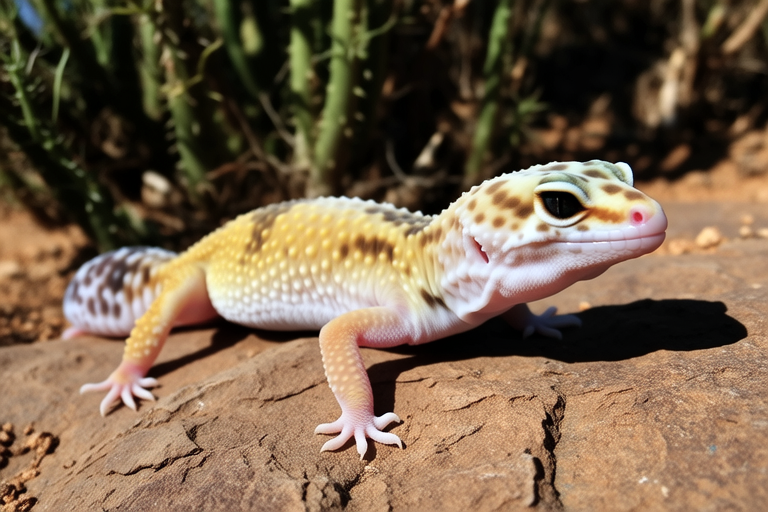
Unleashing the Secrets of Leopard Gecko Care: A Complete Guide
Welcome to the world of leopard gecko care! These small, docile reptiles make excellent pets for both beginners and experienced herpetologists. This comprehensive guide will walk you through everything you need to know about setting up a proper habitat, maintaining optimal temperature and lighting, providing a balanced diet, and ensuring your gecko stays healthy. Let’s dive right in!
Habitat Setup
The first step in caring for your leopard gecko is creating a comfortable and safe environment. Leopard geckos require a terrarium that mimics their natural habitat, offering both a warm and cool side for thermoregulation.
Terrarium Size: A standard 10-gallon tank is sufficient for one adult leopard gecko. However, larger enclosures (15-20 gallons) are recommended for multiple geckos or for those who want more space for decor.
Substrate: Avoid substrates like sand or gravel, which can cause impaction if ingested. Instead, opt for paper towels, reptile carpet, or eco-friendly bedding like coconut fiber.
Hiding Spots: Provide several hiding spots, such as caves or cork bark, to help your gecko feel secure. Leopard geckos are nocturnal, so they need places to hide during the day.
Decor: Add branches, plants, and other decorations to enrich the environment and stimulate natural behaviors. Ensure all items are securely placed and cannot fall on the gecko.
Temperature and Lighting Requirements
Proper temperature regulation is crucial for your gecko’s health and well-being. Leopard geckos are ectothermic, meaning they rely on external heat sources to regulate their body temperature.
Heat Gradient: Maintain a temperature gradient within the enclosure with a basking spot reaching around 90°F (32°C) and cooler areas at 75-80°F (24-27°C). Use a digital thermometer and thermostat to monitor temperatures accurately.
Nighttime Temperatures: At night, the temperature should drop to between 68-75°F (20-24°C). Leopard geckos can tolerate slightly cooler conditions but should never be exposed to temperatures below 60°F (15°C).
Humidity: Leopard geckos thrive in a dry environment with humidity levels around 30-40%. Mist the enclosure lightly once or twice a week to prevent the skin from becoming too dry.
Lighting: Leopard geckos are nocturnal and do not require UVB lighting. However, providing a low-wattage red or blue bulb can help you observe them at night without disturbing their sleep cycle.
Diet and Nutrition
A well-balanced diet is essential for your gecko’s growth, health, and longevity. Leopard geckos are insectivores, meaning their diet consists mainly of live insects.
Insects: Offer crickets, mealworms, dubia roaches, and waxworms as the primary food source. Crickets should make up the majority of their diet, while waxworms can be given occasionally as treats due to their high-fat content.
Feeding Frequency: Feed juveniles daily, reducing to every other day as they reach adulthood. Adults should eat three to five times per week. Adjust the quantity based on your gecko’s size and activity level.
Dusting Insects: Dust insects with a calcium supplement containing vitamin D3 two to three times a week. On other feeding days, use a multivitamin supplement. Always ensure the supplements are appropriate for reptiles.
Water: Provide a shallow water dish that is easily accessible. Change the water daily to maintain hygiene.
Health Care Tips
Maintaining good health starts with proper husbandry practices. Regular monitoring and prompt action when issues arise are key to preventing serious health problems.
Regular Checkups: Visit a veterinarian specializing in reptiles annually. They can perform routine checkups, vaccinations, and fecal exams to detect parasites.
Signs of Illness: Watch for signs of distress, such as lethargy, loss of appetite, swollen limbs, or abnormal shedding. If you notice any concerning symptoms, contact a vet immediately.
Handling: Leopard geckos are generally docile and easy to handle. Support their entire body when holding them, avoiding excessive handling that may stress the animal.
Breeding Information
If you’re interested in breeding leopard geckos, there are some important considerations to keep in mind.
Sexing: Males have visible hemipenal bulges and a V-shaped row of pre-anal pores, whereas females have a single row of pre-anal pores and no bulges.
Conditioning: Before introducing potential mates, ensure both geckos are in optimal health. Provide a varied diet rich in calcium and vitamins.
Brumation: Some breeders induce brumation (a period of reduced activity) to mimic seasonal changes and encourage breeding. This involves gradually lowering the temperature over several weeks.
Incubation: Once eggs are laid, incubate them at specific temperatures to determine the sex of the offspring. Warmer temperatures produce males, while cooler temperatures result in females.
Common Mistakes to Avoid
Even experienced owners can make mistakes. Here are some common pitfalls to watch out for:
- Overfeeding: Feeding too many insects can lead to obesity and related health issues.
- Poor Ventilation: Insufficient airflow can contribute to respiratory infections.
- Inadequate Humidity: Extremely dry or overly moist environments can cause shedding difficulties.
- Improper Handling: Rough handling can injure your gecko or cause stress.
Interactive FAQs
- How often should I clean my gecko’s enclosure?
- Clean the enclosure thoroughly once a week, replacing substrate and disinfecting surfaces. Spot-clean daily to remove waste and uneaten food.
- Can I house multiple leopard geckos together?
- While it is possible to house males and females together, it’s best to keep males separate to prevent aggression. Females can be housed together but should still have ample space and hiding spots.
- What should I do if my gecko refuses to eat?
- First, check the environmental conditions and ensure they are correct. Offer different types of insects and try hand-feeding. Consult a veterinarian if the issue persists.
- Do leopard geckos need a water dish?
- Yes, providing fresh water daily is essential for hydration. Ensure the dish is shallow enough for the gecko to drink from comfortably.
We hope this guide has provided valuable insights into caring for your leopard gecko. By following these recommendations, you’ll ensure your pet remains happy, healthy, and thriving. Happy gecko keeping!